Sports Nutrition for Runners Fueling Peak Performance
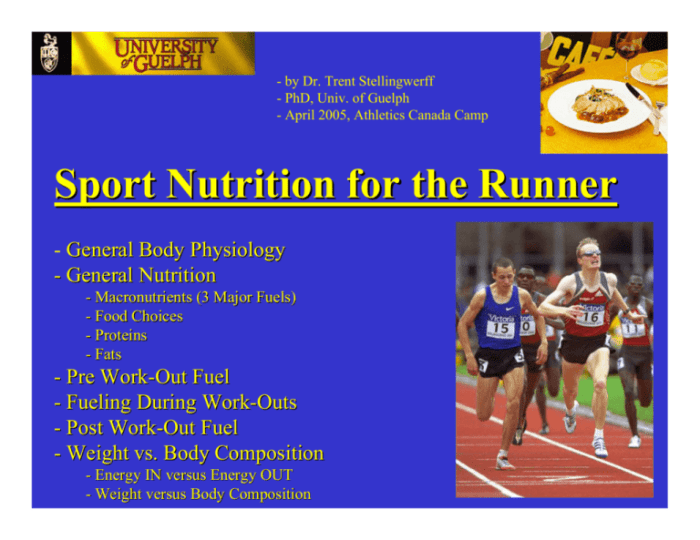
Sports nutrition for runners is far more than just eating enough; it’s about optimizing fuel for peak performance and recovery. This guide delves into the science behind fueling your runs, exploring macronutrient needs, hydration strategies, and the impact of various dietary approaches on athletic success. We’ll examine pre-run, during-run, and post-run nutrition, offering practical advice and delicious recipes to support your running goals.
Whether you’re a seasoned marathoner or just beginning your running journey, understanding the principles of sports nutrition is crucial for achieving your personal best.
From crafting personalized meal plans to navigating the complexities of vegan, vegetarian, keto, and low-carb diets, we’ll equip you with the knowledge to make informed choices that align with your individual needs and training intensity. We’ll also address the importance of gut health, weight management, and mindful eating, helping you cultivate a sustainable approach to nutrition that enhances both your physical and mental well-being as a runner.
Fueling Your Runs
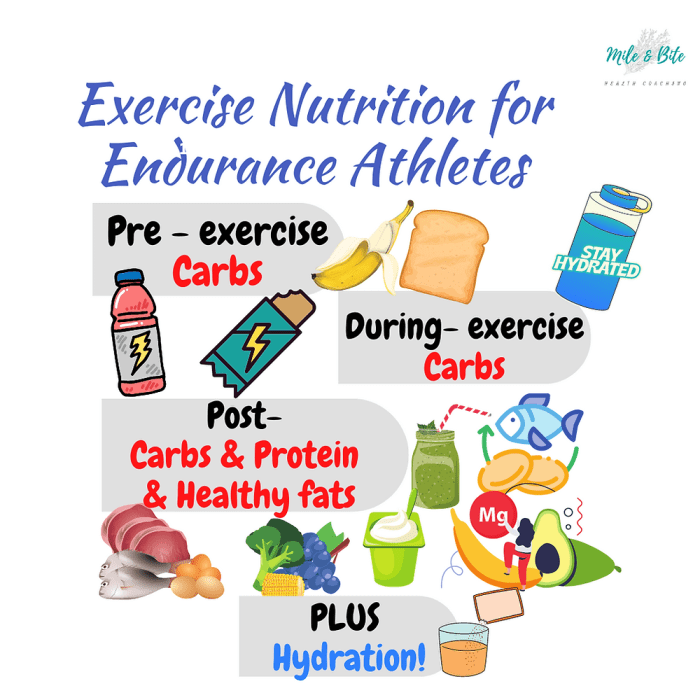
Proper nutrition is crucial for runners of all levels, impacting performance, recovery, and overall health. Understanding macronutrient needs—carbohydrates, proteins, and fats—is key to optimizing your training and achieving your running goals. This section will explore the ideal ratios for different distances and intensities, providing a practical meal plan example and comparing the needs of sprinters and ultra-marathon runners.
Macronutrient Ratios for Runners
The optimal macronutrient balance varies depending on training volume and intensity. Generally, carbohydrates are the primary fuel source for running, especially during endurance events. Protein is essential for muscle repair and growth, while fats provide sustained energy and support overall health. However, the specific ratios need adjustment based on individual needs and training goals.For runners engaging in moderate training, a balance of 50-60% carbohydrates, 15-20% protein, and 25-30% fats is often recommended.
High-intensity training or longer distances may necessitate increasing carbohydrate intake to 60-70%, while maintaining adequate protein for recovery. Ultra-marathon runners, for example, may require even higher carbohydrate percentages to fuel prolonged exertion. Conversely, less intense training might allow for a slightly lower carbohydrate intake. It’s crucial to listen to your body and adjust your intake based on performance and recovery.
Sample Meal Plan for a Marathon Runner
This sample meal plan demonstrates a macronutrient balance suitable for a marathon runner in training. Individual needs may vary, and this should be adapted based on individual caloric requirements and preferences. Remember to consult a registered dietitian or sports nutritionist for personalized guidance.
| Meal | Food | Carbohydrates | Protein | Fats |
|---|---|---|---|---|
| Breakfast (7:00 AM) | Oatmeal with berries and nuts, a scrambled egg | High | Moderate | Moderate |
| Mid-morning Snack (10:00 AM) | Banana with peanut butter | High | Moderate | Moderate |
| Lunch (1:00 PM) | Chicken salad sandwich on whole-wheat bread with a side salad | Moderate | High | Moderate |
| Afternoon Snack (4:00 PM) | Greek yogurt with fruit | Moderate | High | Low |
| Dinner (7:00 PM) | Salmon with quinoa and steamed vegetables | Moderate | High | High |
| Before Run Fuel (1 hour prior) | Small banana or energy gel | High | Low | Low |
Macronutrient Needs: Sprinter vs. Ultra-Marathon Runner
The energy demands and fuel utilization differ significantly between sprinters and ultra-marathon runners, leading to variations in macronutrient needs. Sprinters rely heavily on anaerobic metabolism, requiring less sustained carbohydrate intake compared to ultra-marathon runners who rely on aerobic metabolism for prolonged periods.
| Macronutrient | Sprinter (Approximate Percentage) | Ultra-Marathon Runner (Approximate Percentage) |
|---|---|---|
| Carbohydrates | 40-50% | 65-75% |
| Protein | 15-20% | 10-15% |
| Fats | 35-45% | 10-15% |
Pre-Run, During-Run, and Post-Run Nutrition
Proper nutrition is crucial for runners of all levels, impacting performance, recovery, and overall health. Understanding how to fuel your body before, during, and after a run is key to optimizing your training and achieving your running goals. This section will delve into the specifics of pre-run, during-run, and post-run nutrition strategies.
Pre-Run Nutrition
The goal of pre-run nutrition is to provide your body with readily available energy sources without causing digestive distress. What you eat and when you eat it will depend on the intensity and duration of your run. For shorter runs (under an hour), a light snack might suffice. Longer runs (over an hour) will require a more substantial meal or snack.
Here are some examples of suitable pre-run meals and snacks:
- For shorter runs (<1 hour): A small banana, a handful of berries, a rice cake with a thin layer of nut butter.
- For longer runs (>1 hour): Oatmeal with fruit and nuts, whole-wheat toast with avocado, a small portion of pasta with lean protein.
It’s important to consume your pre-run meal or snack 1-3 hours before your run to allow for proper digestion. Avoid high-fat foods, which can take longer to digest and may cause stomach upset during your run. Also, ensure adequate hydration by drinking water throughout the morning.
During-Run Nutrition
Fueling during long runs (typically over 90 minutes) is essential to maintain energy levels and prevent “hitting the wall.” The type and amount of fuel you need will depend on the duration and intensity of your run. Easily digestible carbohydrates are key.
Strategies for fueling during long runs include:
- Regular intake of carbohydrates: Consume carbohydrates every 45-60 minutes during runs longer than 90 minutes. Examples include energy gels, chews, or sports drinks.
- Hydration: Drink fluids regularly to prevent dehydration. Electrolyte drinks can help replace electrolytes lost through sweat.
- Practice: Experiment with different fueling strategies during training runs to find what works best for your body.
Post-Run Nutrition
Post-run nutrition is crucial for muscle repair and replenishment. The window of opportunity for optimal recovery is within the first hour after your run. Consuming a combination of carbohydrates and protein will help replenish glycogen stores and promote muscle protein synthesis.
Recipes for post-run recovery:
- Chocolate milk: A simple and effective recovery drink containing carbohydrates and protein.
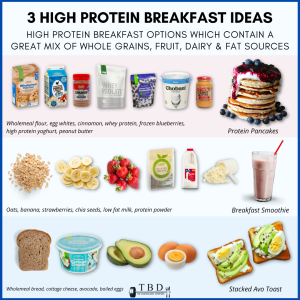
- Smoothie: Blend fruits, vegetables, protein powder, and yogurt for a nutrient-rich recovery meal.
- Chicken salad sandwich on whole-wheat bread: Provides lean protein and carbohydrates for muscle repair and energy replenishment.
The ratio of carbohydrates to protein in your post-run meal should be approximately 3:1 to 4:1. This helps to replenish glycogen stores and support muscle repair effectively. Remember that consistency in your post-run nutrition is key for optimal recovery.
Hydration Strategies for Runners: Sports Nutrition For Runners
Proper hydration is paramount for optimal running performance and swift recovery. Dehydration, even in its mildest forms, can significantly impair athletic performance, leading to reduced endurance, increased fatigue, and heightened risk of injury. Understanding individual sweat rates and adapting hydration strategies to environmental conditions are key to maintaining hydration balance.
Factors Influencing Hydration Needs
Sweat rate, a crucial factor determining hydration needs, varies significantly between individuals based on factors such as body size, fitness level, intensity of exercise, and environmental conditions. Hot and humid environments accelerate sweat loss, demanding increased fluid intake. Similarly, higher intensity runs lead to greater sweat production compared to easy jogs. Accurately assessing personal sweat rate through weighing oneself before and after a run, factoring in fluid consumed during the run, can provide valuable insights for personalized hydration plans.
Recommended Fluid Intake
The following chart provides a general guideline for fluid intake before, during, and after runs of varying durations. Individual needs may vary; this should be considered a starting point for personal adjustments.
| Run Duration | Before Run (hours prior) | During Run (per hour) | After Run |
|---|---|---|---|
| < 30 minutes | No special hydration needed beyond regular daily intake | Not usually necessary | Water or electrolyte beverage to replace fluid losses |
| 30-60 minutes | 1-2 cups of water or electrolyte drink | As needed, based on sweat rate; sip regularly | 1-2 cups of water or electrolyte beverage |
| 60-90 minutes | 2-3 cups of water or electrolyte drink | 1-2 cups of fluid per hour; consider electrolyte replacement | 2-3 cups of water or electrolyte beverage |
| > 90 minutes | 3+ cups of water or electrolyte drink; start hydration 2-3 hours prior | 2+ cups of fluid per hour; prioritize electrolyte drinks | 3+ cups of water or electrolyte beverage; consider electrolyte supplementation |
Hydration Plan for Hot Weather Races
Participating in a hot weather race necessitates a proactive and comprehensive hydration strategy. Pre-race hydration should begin several days before the event, focusing on consistent fluid intake and possibly incorporating electrolyte supplementation. On race day, the focus should be on regular fluid intake before the start, utilizing a plan that considers the expected race duration and intensity. During the race, frequent sipping of fluids containing electrolytes is crucial to compensate for significant sweat loss.
Post-race recovery should prioritize fluid and electrolyte replenishment to mitigate dehydration and support muscle recovery. For example, a marathon runner in a hot climate might consume 3-4 liters of fluid over the 24 hours leading up to the race, sip 250-500 ml of an electrolyte drink every 15-20 minutes during the race, and consume at least 2 liters of fluid within the first hour post-race.
This tailored approach is essential for optimizing performance and minimizing the risk of heat-related illnesses.
Healthy Recipes and Cooking Tips for Runners
Maintaining a balanced diet as a runner is crucial for optimal performance and recovery. Finding the time to prepare nutritious meals, however, can be a challenge. This section provides quick and easy recipes, along with practical cooking tips, to help runners fuel their bodies efficiently.
Quick and Nutritious Recipes for Runners
These three recipes prioritize nutrient density and minimal preparation time, ideal for busy runners.
- Overnight Oats with Berries and Nuts: Combine ½ cup rolled oats, 1 cup milk (dairy or non-dairy), 1 tablespoon chia seeds, and ½ cup mixed berries in a jar. Refrigerate overnight. In the morning, top with a sprinkle of chopped nuts (almonds, walnuts) for added protein and healthy fats. This provides sustained energy release throughout the morning.
- Quinoa Salad with Chickpeas and Vegetables: Cook 1 cup quinoa according to package directions. While still warm, add 1 can (drained and rinsed) chickpeas, ½ cup chopped cucumber, ½ cup chopped bell peppers, and a simple lemon vinaigrette (lemon juice, olive oil, salt, pepper). This offers a good balance of carbohydrates, protein, and fiber.
- Tuna Salad Lettuce Wraps: Mix 1 can (drained) tuna with 2 tablespoons Greek yogurt, 1 tablespoon chopped celery, and a squeeze of lemon juice. Season with salt and pepper. Serve in lettuce cups instead of bread for a lower-carbohydrate, higher-protein option. This provides a quick and easy post-run protein source.
Practical Cooking Tips for Runners, Sports nutrition for runners
Efficient meal preparation is key for runners. These tips help maximize nutritional intake while minimizing time spent in the kitchen.
- Prep ingredients in advance: Wash, chop, and store vegetables on the weekend for quick weeknight meals. This significantly reduces cooking time during the week.
- Embrace one-pan or one-pot meals: Minimize cleanup and cooking time by using methods that require only one pot or pan. Examples include sheet pan dinners or stir-fries.
- Utilize leftovers strategically: Double recipes and repurpose leftovers for lunch or another dinner. This eliminates the need for daily cooking.
- Cook extra portions on the weekend: Prepare larger batches of grains, proteins, and vegetables to have ready-made components for quick meals throughout the week.
- Use a slow cooker or Instant Pot: These appliances allow for minimal hands-on time, perfect for preparing healthy meals while at work or otherwise occupied.
Essential Kitchen Tools and Ingredients for Runners
Having the right tools and ingredients on hand simplifies healthy cooking.
- Tools: Cutting board, chef’s knife, measuring cups and spoons, mixing bowls, baking sheets, saucepan, frying pan, slow cooker (optional), Instant Pot (optional).
- Ingredients: Rolled oats, quinoa, brown rice, various fruits and vegetables (berries, bananas, spinach, sweet potatoes), canned beans (chickpeas, black beans), nuts and seeds (almonds, walnuts, chia seeds), lean protein sources (chicken breast, fish, eggs, tofu), olive oil, spices.
Vegan and Vegetarian Diets for Runners
Adopting a vegan or vegetarian diet while maintaining a rigorous running schedule presents unique nutritional challenges and rewards. Successfully navigating this requires careful planning and a deep understanding of nutrient needs specific to endurance athletes. While plant-based diets can offer numerous health benefits, runners need to proactively address potential nutrient deficiencies to ensure optimal performance and recovery.Plant-based diets, when well-planned, can provide all the necessary nutrients for runners.
However, some key nutrients, like iron, vitamin B12, and omega-3 fatty acids, can be more challenging to obtain in sufficient quantities from plant-based sources compared to omnivorous diets. Careful attention to food choices and potentially supplementation are crucial to avoid deficiencies that can negatively impact energy levels, endurance, and recovery time.
Nutrient Optimization in Vegan and Vegetarian Diets for Runners
Meeting the increased energy and nutrient demands of running on a vegan or vegetarian diet requires a strategic approach to food selection. Runners need to consume sufficient calories to fuel their training, prioritizing complex carbohydrates for sustained energy. Protein intake is also critical for muscle repair and growth; excellent sources include legumes (lentils, beans, chickpeas), tofu, tempeh, seitan, quinoa, and nuts.
Iron, crucial for oxygen transport, can be obtained from fortified cereals, leafy greens, and legumes, but absorption may be enhanced by consuming these foods with vitamin C-rich fruits and vegetables. Vitamin B12, not readily available in plant-based foods, often requires supplementation. Omega-3 fatty acids, important for reducing inflammation, can be found in flaxseeds, chia seeds, and walnuts, though they are not as readily absorbed as the omega-3s found in fish.
Sample Weekly Vegan Meal Plan for a Runner
This sample meal plan provides a general framework. Calorie and macronutrient needs will vary significantly depending on individual factors such as training volume, body weight, and metabolic rate. Adjust portions accordingly to meet your specific energy requirements.
| Day | Breakfast | Lunch | Dinner | Snacks |
|---|---|---|---|---|
| Monday | Oatmeal with berries and nuts | Lentil soup with whole-wheat bread | Tofu stir-fry with brown rice and vegetables | Banana with almond butter, trail mix |
| Tuesday | Smoothie with spinach, banana, and protein powder | Quinoa salad with chickpeas, vegetables, and tahini dressing | Black bean burgers on whole-wheat buns with sweet potato fries | Apple slices with peanut butter |
| Wednesday | Tofu scramble with vegetables and whole-wheat toast | Leftover black bean burgers | Vegan chili with cornbread | Edamame |
| Thursday | Overnight oats with chia seeds and fruit | Salad with roasted vegetables and chickpeas | Lentil pasta with marinara sauce and vegetables | Rice cakes with avocado |
| Friday | Vegan yogurt with granola and fruit | Leftover lentil pasta | Vegan pizza with whole-wheat crust and lots of vegetables | Trail mix |
| Saturday | Pancakes made with whole-wheat flour and plant-based milk | Large salad with various vegetables and beans | Vegan curry with brown rice | Fruit salad |
| Sunday | Breakfast burrito with tofu, beans, and vegetables | Leftover vegan curry | Roasted vegetables with quinoa | Hummus and vegetables |
Strategies for Preventing Nutrient Deficiencies
Preventing nutrient deficiencies requires a multifaceted approach. Prioritizing whole, unprocessed plant-based foods is paramount. Regular blood tests can help monitor nutrient levels, allowing for early intervention if deficiencies are detected. Supplementation may be necessary for certain nutrients, such as vitamin B12 and potentially iron, depending on individual needs and dietary intake. Consulting a registered dietitian or sports nutritionist specializing in plant-based diets is highly recommended to personalize a plan that meets the unique needs of the individual runner.
They can help create a comprehensive dietary strategy to ensure optimal performance and health.
Ultimately, successful sports nutrition for runners is a holistic endeavor. It’s about understanding your body’s unique needs, fueling it appropriately before, during, and after your runs, and prioritizing a balanced and sustainable approach to eating. By implementing the strategies and recipes discussed, you can unlock your full athletic potential, enhance recovery, and enjoy a fulfilling and rewarding running experience.
Remember that consistency is key, and seeking advice from a registered dietitian or sports nutritionist can further personalize your plan for optimal results.
Commonly Asked Questions
What are the best snacks for runners during long runs?
Easily digestible options include energy gels, chews, or small pieces of fruit like bananas or dried dates. Avoid high-fiber foods that might cause digestive upset.
How much water should I drink daily as a runner?
Fluid needs vary, but aim to consistently hydrate throughout the day. Increase intake before, during, and after runs, especially in hot weather. Pay attention to urine color; pale yellow indicates adequate hydration.
Are protein shakes necessary for runners?
Protein shakes can be helpful for supplementing protein intake, particularly after intense training, but they aren’t strictly necessary for everyone. Prioritize whole-food sources of protein first.
Can I lose weight while still training for a marathon?
Gradual weight loss is possible with careful planning, but avoid drastic calorie reduction that could compromise performance. Consult a professional for personalized guidance.