Nutrition for Strength Training Fueling Your Gains

Nutrition for strength training is far more than just eating enough; it’s about strategically fueling your body for optimal muscle growth, recovery, and performance. Understanding macronutrient ratios, micronutrient needs, and hydration strategies is crucial for maximizing your results in the gym. This guide delves into the science of sports nutrition tailored specifically to strength training, exploring various dietary approaches and providing practical advice to help you achieve your fitness goals efficiently and safely.
Macronutrient Needs for Strength Training
Optimizing your macronutrient intake is crucial for maximizing the benefits of your strength training program. The right balance of protein, carbohydrates, and fats fuels muscle growth, recovery, and overall performance. Understanding your individual needs and adjusting your diet accordingly will significantly impact your progress.
Recommended Macronutrient Ratios for Strength Training
The ideal macronutrient ratio varies depending on individual factors like training intensity, goals, and body composition. However, a generally accepted range for strength training focuses on a higher protein intake to support muscle protein synthesis, sufficient carbohydrates for energy, and moderate fat intake for hormone production and overall health. A common recommendation is a range of 1.6-2.2 grams of protein per kilogram of body weight (0.73-1 gram per pound), 40-60% of total calories from carbohydrates, and 20-30% from fats.
For example, a 70kg (154lb) individual aiming for 2.2g/kg protein would need approximately 154 grams of protein daily.
- Protein Sources: Lean meats (chicken, turkey, beef), fish (salmon, tuna), eggs, dairy products (Greek yogurt, cottage cheese), legumes (beans, lentils), tofu, and protein powder.
- Carbohydrate Sources: Whole grains (brown rice, quinoa, oats), fruits, vegetables, sweet potatoes, and legumes.
- Fat Sources: Avocados, nuts, seeds, olive oil, and fatty fish.
Macronutrient Timing and its Impact on Strength Training Results
Strategic macronutrient timing can enhance both muscle growth and recovery. Consuming carbohydrates and protein before a workout provides energy and prevents muscle breakdown. Post-workout, a combination of protein and carbohydrates replenishes glycogen stores and promotes muscle protein synthesis. Throughout the day, maintaining a consistent intake of all three macronutrients supports overall energy levels and metabolic function.
Sample Meal Plan Illustrating Effective Timing Strategies
This is a sample plan and individual needs may vary. Calorie and macronutrient targets should be adjusted based on individual requirements.
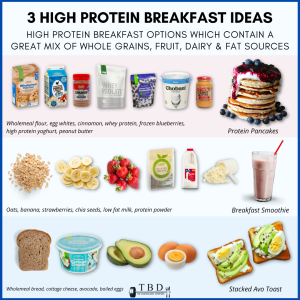
- Pre-workout (1-2 hours before): Oatmeal with berries and a scoop of whey protein powder.
- Post-workout (within 30-60 minutes): Chicken breast with brown rice and a side of steamed vegetables.
- Other Meals: Focus on balanced meals throughout the day incorporating lean protein, complex carbohydrates, and healthy fats. Examples include salmon with quinoa and broccoli, Greek yogurt with fruit and nuts, and lentil soup with whole-wheat bread.
Macronutrient Needs for Different Strength Training Goals
The optimal macronutrient ratio can be adjusted slightly depending on the primary training goal.
- Muscle Hypertrophy (Muscle Growth): A slightly higher carbohydrate intake might be beneficial to support intense training and muscle glycogen replenishment, while maintaining a high protein intake for muscle protein synthesis.
- Strength Increase: A balanced approach with sufficient protein for muscle repair and growth, and adequate carbohydrates for energy during heavy lifting is key. Fat intake should be sufficient for hormonal balance.
- Power Development: Similar to strength increase, but with a possible slight increase in carbohydrate intake to fuel explosive movements. Careful attention to overall calorie intake is important to maintain body composition.
Micronutrient Importance in Strength Training
Micronutrients, despite being needed in smaller quantities than macronutrients, play a vital role in supporting the physiological processes crucial for strength training success. Their impact extends beyond simply fueling workouts; they are essential for optimal muscle function, bone health, recovery, and overall well-being, directly influencing training adaptations and preventing injury. Ignoring micronutrient needs can significantly hinder progress.
Key Micronutrients for Strength Training, Nutrition for strength training
Several vitamins and minerals are particularly important for individuals engaged in strength training. These nutrients contribute to various aspects of muscle growth, repair, and overall health, influencing performance and recovery. Adequate intake is crucial for maximizing training benefits.
Roles of Key Micronutrients in Strength Training
Vitamin D, for instance, is essential for calcium absorption, which is vital for bone health and muscle function. Calcium itself is crucial for muscle contraction and nerve transmission. Iron, a component of hemoglobin, is essential for oxygen transport to working muscles. Magnesium plays a key role in muscle protein synthesis and energy production. Zinc is involved in protein synthesis and cell growth, supporting muscle repair and recovery.
Vitamin C acts as an antioxidant, protecting cells from damage caused by intense exercise. B vitamins, particularly B6 and B12, are crucial for energy metabolism and red blood cell production. Inadequate intake of any of these micronutrients can impair these processes.
Consequences of Micronutrient Deficiencies
Micronutrient deficiencies can negatively impact strength training performance and recovery in various ways. Iron deficiency, for example, can lead to anemia, resulting in fatigue, reduced exercise capacity, and impaired recovery. Vitamin D deficiency can weaken bones, increasing the risk of fractures and impacting muscle strength. Magnesium deficiency can cause muscle cramps, weakness, and impaired muscle function. Zinc deficiency can impair immune function, increasing susceptibility to illness and hindering recovery.
These deficiencies can manifest in symptoms such as fatigue, muscle weakness, poor wound healing, and decreased performance. For example, a powerlifter experiencing persistent muscle cramps despite adequate hydration might benefit from assessing their magnesium levels.
Excellent Food Sources of Key Micronutrients
| Micronutrient | Food Source 1 | Food Source 2 | Food Source 3 |
|---|---|---|---|
| Vitamin D | Fatty fish (salmon, tuna) | Egg yolks | Fortified milk |
| Calcium | Dairy products (milk, yogurt, cheese) | Leafy green vegetables (kale, spinach) | Fortified plant milks |
| Iron | Red meat | Legumes (beans, lentils) | Spinach |
| Magnesium | Dark chocolate | Almonds | Spinach |
| Zinc | Oysters | Red meat | Pumpkin seeds |
| Vitamin C | Citrus fruits (oranges, lemons) | Bell peppers | Strawberries |
| B Vitamins (B6 & B12) | Chicken breast | Salmon | Fortified cereals |
Hydration and Electrolyte Balance for Strength Training

Adequate hydration and electrolyte balance are crucial for optimal strength training performance and recovery. Water plays a vital role in numerous bodily functions, including muscle contraction, nutrient transport, and temperature regulation. Electrolytes, meanwhile, are essential minerals that help maintain fluid balance, nerve function, and muscle contraction. Neglecting either can significantly impair your workout and recovery process.Maintaining proper hydration during and after strength training is paramount for maximizing performance and minimizing the risk of injury.
Dehydration, even mild, can lead to decreased strength, reduced endurance, increased fatigue, and impaired cognitive function. This compromises your ability to lift heavy weights, complete repetitions, and execute exercises with proper form. Furthermore, inadequate hydration hinders the body’s ability to effectively remove metabolic waste products generated during exercise, slowing down recovery and potentially increasing the risk of muscle soreness and injury.
Electrolyte Roles in Hydration and Cramp Prevention
Electrolytes, including sodium, potassium, and magnesium, work together to regulate fluid balance within and outside of cells. Sodium is crucial for maintaining proper blood volume and pressure, while potassium is vital for muscle contraction and nerve impulses. Magnesium plays a significant role in muscle relaxation and preventing cramps. An imbalance in these electrolytes can disrupt fluid balance, leading to dehydration and potentially triggering muscle cramps.
These cramps are often painful and debilitating, significantly impacting training performance and recovery.
Electrolyte-Rich Foods
Many foods naturally contain significant amounts of these essential electrolytes. Bananas are an excellent source of potassium, while leafy green vegetables like spinach are rich in magnesium. Coconut water is a natural source of electrolytes, including potassium and sodium. Other good sources include avocados, sweet potatoes, and various nuts and seeds. Consuming these foods regularly can help maintain optimal electrolyte balance and reduce the risk of cramps during and after strength training.
Hydration Strategies for Different Workouts
A tailored hydration strategy is essential for optimizing performance based on the intensity and duration of your workout.For short, intense workouts (e.g., a 30-minute high-intensity interval training session), pre-hydration is key. Begin your session already well-hydrated. Sipping water throughout the workout is usually sufficient.For long, endurance-focused strength training sessions (e.g., a 2-hour circuit training), a more comprehensive approach is needed.
Pre-hydration is crucial, and regular water intake throughout the workout is essential. Consider incorporating an electrolyte drink to replace electrolytes lost through sweat. Post-workout rehydration should include water and electrolyte-rich foods to replenish fluids and minerals. Monitoring your urine color can be a simple indicator of hydration status; pale yellow indicates adequate hydration, while dark yellow suggests dehydration.
Healthy Recipes and Cooking Tips for Strength Training: Nutrition For Strength Training
Fueling your body correctly is crucial for optimal strength training results. The right foods at the right times support muscle growth, recovery, and overall performance. This section provides practical recipes and cooking tips to help you achieve your fitness goals efficiently.
Pre-Workout Meal: Banana and Peanut Butter Oatmeal
This recipe provides sustained energy release, preventing energy crashes during your workout. The carbohydrates from oatmeal and banana provide fuel, while the protein and healthy fats from peanut butter support muscle function.
Preparation Time: 5 minutesCook Time: 5 minutesYields: 1 serving
Ingredients:
- 1/2 cup rolled oats
- 1 cup water or milk (dairy or non-dairy)
- 1 ripe banana, sliced
- 2 tablespoons peanut butter (natural, no added sugar)
- Optional: a sprinkle of cinnamon
Instructions:
- Combine oats and water/milk in a saucepan. Bring to a boil, then reduce heat and simmer for 5 minutes, or until desired consistency is reached.
- Stir in peanut butter until melted and well combined.
- Top with banana slices and cinnamon (optional).
Post-Workout Meal: Greek Yogurt with Berries and Protein Powder
This post-workout meal prioritizes protein and carbohydrate replenishment to aid muscle recovery and glycogen restoration. Greek yogurt offers a high protein content, while berries provide antioxidants and carbohydrates. The addition of protein powder further enhances protein intake.
Preparation Time: 2 minutesCook Time: 0 minutesYields: 1 serving
Ingredients:
- 1 cup Greek yogurt (plain, non-fat or low-fat)
- 1/2 cup mixed berries (strawberries, blueberries, raspberries)
- 1 scoop whey or casein protein powder (choose a flavor that complements the berries)
Instructions:
- Combine Greek yogurt, berries, and protein powder in a bowl.
- Mix well until everything is evenly distributed.
Daily Meal: Chicken and Vegetable Stir-fry
This balanced meal provides lean protein, complex carbohydrates, and essential vitamins and minerals. Chicken breast is a great source of protein, while a variety of vegetables offers a wide range of nutrients.
Preparation Time: 10 minutesCook Time: 15 minutesYields: 2 servings
Ingredients:
- 1 pound boneless, skinless chicken breast, cut into bite-sized pieces
- 1 cup broccoli florets
- 1 cup sliced bell peppers (any color)
- 1/2 cup sliced carrots
- 1/4 cup soy sauce (low sodium)
- 1 tablespoon olive oil
- 1 teaspoon garlic powder
- 1/2 teaspoon ginger powder
Instructions:
- Heat olive oil in a wok or large skillet over medium-high heat.
- Add chicken and cook until browned and cooked through.
- Add broccoli, bell peppers, and carrots. Stir-fry for 5-7 minutes, or until vegetables are tender-crisp.
- Stir in soy sauce, garlic powder, and ginger powder. Cook for another minute.
Cooking Tips for Maximizing Nutrient Retention and Minimizing Cooking Time
Efficient cooking techniques are key to preserving nutrients and saving time. These tips will help you prepare healthy meals quickly without compromising nutritional value.
- Steam or stir-fry vegetables: These methods minimize nutrient loss compared to boiling. Steaming retains water-soluble vitamins, while stir-frying cooks quickly while preserving texture and nutrients.
- Don’t overcook proteins: Overcooked meat loses moisture and can become tough. Aim for medium-rare or medium doneness for optimal texture and nutrient retention.
- Use minimal oil: While healthy fats are important, using excessive oil adds unnecessary calories. Opt for cooking methods that require minimal oil, such as steaming, baking, or air frying.
- Prepare ingredients in advance: Chop vegetables and portion out ingredients ahead of time to streamline the cooking process. This is especially helpful for busy weeknights.
- Embrace one-pot or one-pan meals: These simplify cleanup and reduce cooking time. Examples include casseroles, stir-fries, and sheet pan dinners.
Keto and Low-Carb Diets for Strength Training
Ketogenic and low-carbohydrate diets have gained popularity, particularly among those pursuing fitness goals. However, their effects on strength training performance and body composition are complex and warrant careful consideration. This section will explore the comparative impacts of these dietary approaches on strength athletes, analyzing both advantages and disadvantages.Ketogenic and low-carbohydrate diets differ primarily in their carbohydrate restriction levels.
Ketogenic diets severely restrict carbohydrates, forcing the body into a metabolic state called ketosis, where fat becomes the primary fuel source. Low-carbohydrate diets, on the other hand, moderately reduce carbohydrate intake, allowing for a wider range of food choices while still promoting fat burning. Both approaches can lead to weight loss, but their effects on strength training outcomes are nuanced.
Effects on Strength Training Performance and Body Composition
While both ketogenic and low-carbohydrate diets can lead to fat loss, their impact on strength training performance varies. Studies suggest that very low-carbohydrate intakes can negatively affect high-intensity, short-duration strength training performance due to reduced muscle glycogen availability. Muscle glycogen is the primary fuel source for such intense activities. Conversely, moderate carbohydrate restriction in a low-carb diet may have less of a detrimental effect, particularly if the individual is well-adapted to the diet.
Body composition changes are often favorable with both diets, leading to reduced body fat percentage, but muscle mass maintenance can be a challenge, especially with strict ketogenic approaches, if adequate protein intake isn’t prioritized. The initial period of adaptation to either diet may also see a temporary decrease in performance.
Potential Benefits and Drawbacks for Strength Athletes
Benefits
One potential benefit is improved body composition through fat loss. Both diets can be effective for weight management, which is beneficial for athletes looking to improve their strength-to-weight ratio. Additionally, some individuals report increased energy levels and mental clarity on these diets, although this is subjective and varies between individuals. Increased fat oxidation (burning fat for energy) can also be a benefit for long-term endurance and energy availability.
Drawbacks
A significant drawback is the potential for reduced performance in high-intensity strength training. Depleted muscle glycogen stores can lead to fatigue and decreased strength output, especially during shorter, more intense training sessions. The initial adaptation period can also be accompanied by symptoms like “keto flu,” characterized by headaches, fatigue, and nausea. Maintaining adequate protein intake is crucial to avoid muscle loss, a common concern with restrictive diets.
Furthermore, these diets can be difficult to maintain long-term due to their restrictive nature, potentially impacting overall training consistency and adherence to a training program.
Adjusting Macronutrient Ratios for Strength Training Goals
To optimize these diets for strength training, careful attention to macronutrient ratios is crucial. The following ratios are general guidelines and may need individual adjustment based on factors such as training intensity, individual response, and overall caloric needs.
Ketogenic Diet
A typical ketogenic diet for strength training might involve a macronutrient ratio of 70-80% fat, 15-20% protein, and 5-10% carbohydrates. The high fat intake provides sustained energy, while the moderate protein intake supports muscle protein synthesis. Carbohydrates are kept low to maintain ketosis. However, carbohydrate intake might be strategically increased around training days to help replenish muscle glycogen stores and support performance.
This could involve a “carb-cycling” approach, where carbohydrate intake is higher on training days and lower on rest days.
Low-Carbohydrate Diet
A low-carbohydrate diet for strength training could utilize a ratio of 40-50% carbohydrates, 30-40% protein, and 20-30% fat. This allows for more flexibility in food choices while still promoting fat burning and minimizing glycogen reliance. Protein intake remains relatively high to support muscle growth and repair. The moderate carbohydrate intake provides sufficient energy for training, minimizing performance decrements.
The carbohydrate sources should ideally be from nutrient-dense, low-glycemic index foods to minimize blood sugar spikes and crashes.
Remember that individual responses to these diets vary significantly. Consulting with a registered dietitian or sports nutritionist is recommended to personalize your macronutrient plan and monitor your progress.
Ultimately, achieving peak performance in strength training requires a holistic approach that integrates strategic nutrition with effective training regimens. By understanding your individual needs, adopting a balanced and sustainable diet, and paying attention to hydration and recovery, you can unlock your full strength potential. Remember to consult with a registered dietitian or sports nutritionist for personalized guidance, particularly if you have specific dietary needs or health concerns.
Commonly Asked Questions
What is the best time to consume protein after a workout?
Within 30-60 minutes post-workout is ideal to kickstart muscle protein synthesis.
How much water should I drink daily?
Aim for at least half your body weight in ounces of water, adjusting based on activity level and climate.
Are all protein powders created equal?
No, protein powders vary in quality, source, and digestibility. Look for reputable brands with clear ingredient lists.
Can I gain muscle on a vegetarian diet?
Absolutely! Focus on consuming a variety of plant-based protein sources to ensure adequate intake.
How can I manage cravings while dieting for strength training?
Prioritize whole, unprocessed foods, manage stress, and ensure adequate sleep to minimize cravings.