Best Foods to Break a Fast

Best foods to break a fast: Successfully ending a fast requires careful consideration of what you eat. The reintroduction of food should be gradual and focus on easily digestible options to avoid digestive upset and maximize nutrient absorption. This guide explores the optimal foods and strategies for breaking a fast, considering various dietary needs and goals, ensuring a smooth transition and maximizing the benefits of your fasting period.
From understanding the importance of nutrient timing and electrolyte replenishment to discovering delicious and adaptable recipes, we’ll cover everything you need to know for a healthy and satisfying post-fast experience. We’ll delve into the nuances of different fasting methods and how to tailor your food choices accordingly, providing practical advice for various dietary restrictions and athletic considerations. Whether you’re a seasoned faster or just starting out, this comprehensive guide will equip you with the knowledge to optimize your post-fast nutrition.
Best Foods to Break a Fast
Breaking a fast requires a gentle reintroduction of nutrients to avoid digestive upset and maximize the benefits of your fasting period. The key is to start slowly and choose easily digestible foods that provide your body with essential nutrients without overwhelming your system. This approach allows your digestive system to reacclimate gradually to food intake after a period of rest.
Easily Digestible Foods for Breaking a Fast
The ideal foods for breaking a fast are those that are easily digested and provide a balance of macronutrients. Prioritizing easily digestible options minimizes the risk of discomfort and allows for a smoother transition back to regular eating. This selection should be based on individual tolerance and preferences, but generally, it’s best to choose whole, unprocessed foods.
- Protein: Protein is crucial for repairing and building tissues after a fast. Good choices include bone broth (rich in amino acids and electrolytes), a small portion of plain yogurt (provides protein and probiotics), or a lightly scrambled egg (easily digestible protein source).
- Carbohydrates: Complex carbohydrates are preferred over simple sugars. Good examples include a small portion of cooked sweet potato (provides sustained energy), a small amount of well-cooked oatmeal (gentle on the digestive system), or a few berries (rich in antioxidants and fiber).
- Fats: Healthy fats are important for hormone production and satiety. Consider a small amount of avocado (rich in monounsaturated fats and fiber), a spoonful of nut butter (provides healthy fats and protein), or a small portion of coconut milk (contains medium-chain triglycerides, easily digested fats).
Importance of Small Portions When Breaking a Fast, Best foods to break a fast
Starting with small portions when breaking a fast is crucial for preventing digestive distress. After a period of fasting, your digestive system is less active. Consuming a large meal immediately can overwhelm your system, leading to bloating, nausea, cramping, or diarrhea. Gradually increasing your food intake allows your digestive system to adjust smoothly, maximizing nutrient absorption and minimizing discomfort.
Negative Consequences of Consuming Large or Heavy Meals After Fasting
Consuming large or heavy meals immediately after a fast can lead to several negative consequences. The sudden influx of food can trigger digestive upset, including bloating, gas, abdominal pain, and diarrhea. It can also lead to a rapid surge in blood sugar levels, potentially causing fatigue and energy crashes later on. Additionally, it can negate some of the potential metabolic benefits associated with fasting.
For example, a large meal after a fast might impede the body’s ability to efficiently utilize stored fat.
Sample Meal Plan for Breaking a Fast (2-Hour Period)
This sample plan demonstrates a gradual increase in food intake over a two-hour period. Remember to adjust portions based on individual needs and tolerance.
- 0-30 minutes: Begin with 8 ounces of warm bone broth. This provides electrolytes and easily digestible protein, helping to rehydrate and replenish the body.
- 30-60 minutes: Add a small portion of plain yogurt (about ½ cup) with a handful of berries. This adds probiotics, protein, and some gentle carbohydrates.
- 60-90 minutes: Incorporate a small portion of cooked sweet potato (about ¼ cup) and a small amount of avocado (¼ of a medium avocado). This introduces healthy fats and complex carbohydrates for sustained energy.
- 90-120 minutes: Finish with a small portion of scrambled eggs (one egg) and a small amount of whole-wheat toast. This adds more protein and complex carbohydrates, signaling the body that the fasting period has ended.
Healthy Recipes and Cooking Tips for Breaking a Fast
Breaking a fast requires mindful replenishment of nutrients. It’s crucial to choose foods that are easily digestible and provide sustained energy without overwhelming your system. The following recipes prioritize whole, unprocessed ingredients, offering a gentle reintroduction to eating after a period of fasting.
Simple and Nutritious Recipes for Breaking a Fast
Choosing the right foods to break your fast is key to a smooth transition and sustained energy levels. These recipes emphasize gentle digestion and nutrient absorption. They are easily adaptable to various dietary needs.
| Recipe Name | Ingredients | Instructions |
|---|---|---|
| Avocado Toast with Everything Bagel Seasoning | 1 slice whole-grain toast, ½ avocado, Everything Bagel seasoning, salt and pepper to taste | Toast the bread lightly. Mash the avocado and spread it evenly on the toast. Sprinkle with Everything Bagel seasoning, salt, and pepper. |
| Berry Smoothie with Chia Seeds | 1 cup mixed berries (strawberries, blueberries, raspberries), ½ cup unsweetened almond milk (or other milk alternative), 1 tablespoon chia seeds, ½ banana (optional, for sweetness) | Combine all ingredients in a blender and blend until smooth. Adjust the liquid to reach your desired consistency. |
| Coconut Yogurt with Fruit and Nuts | ½ cup coconut yogurt (full-fat, unsweetened), ½ cup chopped fruit (berries, mango, or peaches), 1 tablespoon chopped nuts (almonds, walnuts, or pecans) | Combine the coconut yogurt, fruit, and nuts in a bowl. Enjoy immediately. |
Cooking Tips for Nutrient Retention and Flavor Enhancement
Proper cooking techniques are essential to preserve the nutritional value and enhance the taste of your post-fast meal. Gentle cooking methods are recommended.
For the Avocado Toast, choose whole-grain bread for added fiber. Lightly toasting the bread enhances its texture without burning it. Using ripe avocados ensures a creamy texture.
When preparing the Berry Smoothie, use fresh or frozen berries. Frozen berries add a thicker consistency and require less added liquid. Chia seeds add fiber and omega-3 fatty acids. Let the smoothie sit for a few minutes after blending to allow the chia seeds to absorb liquid and thicken the mixture.
For the Coconut Yogurt with Fruit and Nuts, select full-fat, unsweetened coconut yogurt for maximum creaminess and to avoid added sugars. Choose a variety of fruits and nuts for added flavor and nutrients.
Adapting Recipes to Dietary Needs
These recipes are easily adaptable to various dietary needs with simple substitutions.
Vegan/Vegetarian Adaptations: All three recipes are naturally vegan and vegetarian.
Low-Carb Adaptations: For the Avocado Toast, use a low-carb bread alternative. Reduce or omit the banana in the Berry Smoothie. Choose low-sugar fruit options for the Coconut Yogurt.
Vegan and Vegetarian Options for Breaking a Fast
Breaking a fast, especially after a prolonged period without food, requires careful consideration of nutritional needs. A well-planned vegan or vegetarian meal can provide the necessary replenishment of energy and essential nutrients while adhering to dietary preferences. Choosing nutrient-dense foods is crucial for a healthy and comfortable transition back to eating.
Five Plant-Based Foods Rich in Protein and Essential Nutrients
Selecting foods rich in protein and micronutrients is key to a successful post-fast meal. These nutrients are vital for repairing tissues, boosting energy levels, and supporting overall well-being after a period of fasting. The following options provide a good balance of these essential components.
- Tofu: A versatile soy-based protein source, tofu is packed with protein and provides various minerals like iron and calcium. It absorbs flavors well, making it suitable for numerous dishes.
- Quinoa: This complete protein grain offers all nine essential amino acids and is rich in fiber, iron, and magnesium. It can be cooked as a side dish or incorporated into various meals.
- Lentils: A great source of plant-based protein and fiber, lentils also contain folate, iron, and potassium. They are easily incorporated into soups, stews, or salads.
- Tempeh: Fermented soybeans, tempeh is a highly digestible protein source. It’s rich in probiotics, which support gut health, and provides various B vitamins and iron.
- Avocado: While not a significant protein source, avocados are rich in healthy fats, fiber, and potassium. These healthy fats are essential for hormone production and nutrient absorption, crucial after a fast.
Sample Vegan/Vegetarian Meal Plan for Breaking a Fast
A gradual reintroduction of food is essential after a fast. This sample meal plan prioritizes nutrient density and ease of digestion. It’s crucial to listen to your body and adjust portion sizes as needed.
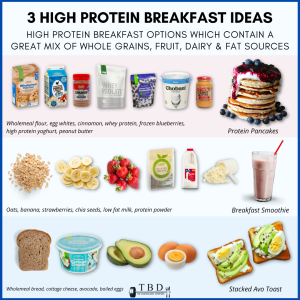
Meal 1 (Breakfast): Smoothie made with banana, spinach, almond milk, and a scoop of protein powder (pea or brown rice based). This provides quick energy and essential nutrients.
Meal 2 (Lunch): Lentil soup with whole-wheat bread. The soup provides protein, fiber, and various micronutrients, while the bread offers additional carbohydrates for sustained energy.
Meal 3 (Dinner): Quinoa bowl with roasted vegetables (such as sweet potatoes and broccoli) and tofu. This offers a balanced meal with complete protein, fiber, and a variety of vitamins and minerals.
Potential Nutritional Deficiencies and How to Avoid Them
Vegan and vegetarian diets, while healthy, require careful planning to avoid potential nutrient deficiencies. Paying close attention to these areas is especially crucial after breaking a fast.
Vitamin B12: B12 is primarily found in animal products. Vegans and vegetarians need to supplement with B12 or consume fortified foods. Deficiency can lead to fatigue and neurological problems. Supplementation should be discussed with a healthcare professional.
Iron: Plant-based iron (non-heme iron) is less readily absorbed than heme iron from animal sources. Pairing iron-rich foods with vitamin C-rich foods (like citrus fruits or bell peppers) enhances absorption. Regular blood tests can monitor iron levels.
Omega-3 Fatty Acids: While plant-based sources like flaxseeds and chia seeds provide ALA (an omega-3 fatty acid), the body converts it to EPA and DHA less efficiently than consuming animal sources. Consider supplementing with algae-based omega-3s if needed. Consult with a healthcare provider for guidance.
Calcium: Good sources of calcium for vegans include fortified plant milks, tofu, and leafy green vegetables. Regular intake is vital for bone health.
Flavorful Vegan/Vegetarian Recipes for Breaking a Fast
Creative cooking can make breaking a fast a delicious and enjoyable experience.
Savory Oatmeal with Mushrooms and Spinach: Cook oatmeal with vegetable broth instead of water. Sauté mushrooms and spinach with garlic and add them to the oatmeal. Season with nutritional yeast for a cheesy flavor.
Curried Lentil and Vegetable Stew: A hearty and flavorful stew packed with protein and fiber. Use coconut milk for creaminess and add a variety of vegetables like carrots, potatoes, and peas. Spices like curry powder and turmeric add depth of flavor and potential health benefits.
Keto and Low-Carb Options for Breaking a Fast: Best Foods To Break A Fast
Breaking a fast on a ketogenic diet requires careful consideration to maintain ketosis and avoid disrupting metabolic adaptation. The goal is to reintroduce nutrients gently while prioritizing healthy fats and minimizing carbohydrates to prevent a surge in blood sugar and insulin. This approach supports continued fat burning and helps prevent weight gain.Choosing the right foods is crucial for a smooth transition out of a fast.
Focusing on nutrient-dense, low-carb options helps your body re-adjust to eating while keeping you in ketosis.
Keto-Friendly Foods for Breaking a Fast
The following five foods are excellent choices for breaking a ketogenic fast due to their high fat content and minimal carbohydrate impact. They provide essential nutrients and help to gently reintroduce food to your system without disrupting ketosis.
- Avocado: Rich in healthy monounsaturated fats, fiber, and various micronutrients. A half avocado provides a creamy, satisfying start to your meal.
- Bone Broth: This nutrient-rich broth is low in carbohydrates and provides electrolytes, collagen, and other beneficial compounds. It’s a gentle way to rehydrate and replenish your body after a fast.
- Fatty Fish (Salmon, Mackerel): Excellent sources of omega-3 fatty acids, protein, and essential vitamins. A small portion of grilled or baked fatty fish provides sustained energy and satiety.
- Coconut Oil: A source of medium-chain triglycerides (MCTs), which are easily digested and utilized for energy, contributing to sustained energy levels without a significant spike in blood sugar.
- Macadamia Nuts: These nuts are high in healthy monounsaturated fats and offer a satisfying crunch. A small handful provides a good source of healthy fats and fiber.
Maintaining Ketosis After Breaking a Low-Carb Fast
Maintaining ketosis after breaking a fast is important for maximizing the benefits of the ketogenic diet. A gradual reintroduction of food, prioritizing healthy fats and low-carb options, is key. Rapid consumption of high-carbohydrate foods can trigger a surge in insulin, potentially knocking you out of ketosis and leading to increased hunger and cravings. Staying hydrated and continuing to monitor your ketone levels can also aid in sustaining ketosis.
Pitfalls of Consuming High-Carb Foods After a Ketogenic Fast
Consuming high-carb foods immediately after a ketogenic fast can lead to several negative consequences. The sudden influx of carbohydrates can cause a significant spike in blood sugar and insulin levels, potentially leading to weight gain, increased inflammation, and reduced energy levels. It can also disrupt the metabolic adaptations achieved during the fast, including increased fat burning and improved insulin sensitivity.
This disruption can make it harder to remain in ketosis and may result in feelings of sluggishness and discomfort.
Low-Carb Recipes for Breaking a Ketogenic Fast
These three recipes provide flavorful and satiating options for breaking a ketogenic fast, ensuring a smooth transition back to eating while maintaining ketosis.
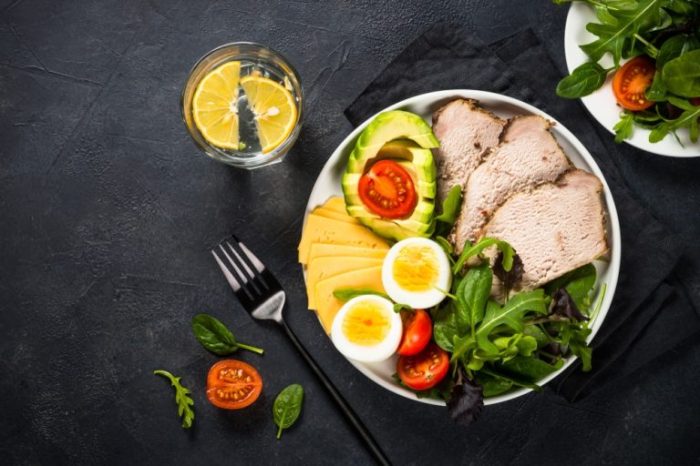
- Avocado and Egg Salad: Mashed avocado mixed with chopped hard-boiled eggs, salt, pepper, and a squeeze of lemon juice. This creamy and protein-rich salad is both easy to prepare and satisfying.
- Salmon with Asparagus and Coconut Oil: Grilled or baked salmon fillet served with roasted asparagus drizzled with coconut oil. This dish combines healthy fats, protein, and low-carb vegetables for a complete and nutritious meal.
- Bone Broth with Shirataki Noodles: Shirataki noodles, a low-carb alternative to pasta, cooked in bone broth with added spices and a dollop of cream or avocado. This provides a warm, savory option with added nutrients and flavor.
Superfoods and Supplements for Post-Fast Nutrition
Breaking a fast requires careful consideration of nutrient replenishment. While a balanced diet is crucial, some individuals explore the use of superfoods and supplements to enhance post-fast recovery. This section examines the potential benefits and drawbacks of this approach, focusing on specific examples and potential risks.Superfoods and supplements can offer a concentrated source of essential vitamins, minerals, and antioxidants, potentially aiding in the restoration of nutrient levels depleted during a fast.
However, it’s crucial to understand that they are not a replacement for a balanced diet and that excessive consumption can carry risks.
Three Superfoods Beneficial for Post-Fast Recovery
The selection of superfoods should prioritize nutrient density and bioavailability. Three examples that offer a broad spectrum of beneficial nutrients include berries, leafy greens, and avocados. Berries, such as blueberries and raspberries, are packed with antioxidants that combat oxidative stress, a byproduct of metabolic processes. Leafy greens, like spinach and kale, are excellent sources of vitamins A, C, and K, as well as various minerals.
Avocados provide healthy fats, fiber, and several vitamins and minerals, supporting overall health and gut function. These foods provide a balanced approach to replenishing nutrients lost during fasting.
Potential Risks Associated with Excessive Supplement Use After Fasting
Excessive consumption of supplements after fasting can lead to several health problems. For instance, high doses of certain vitamins, such as vitamin A, can be toxic. Furthermore, the interaction between supplements and medications, or even other supplements, can lead to unexpected and potentially harmful consequences. For example, taking excessive amounts of iron supplements can negatively interact with certain medications.
Always consult a healthcare professional before incorporating supplements into your post-fast routine, particularly if you have pre-existing health conditions or are taking other medications.
Nutritional Value Comparison of Superfoods for Post-Fast Recovery
Different superfoods offer varying nutritional profiles. For example, comparing kale and spinach reveals that while both are excellent sources of vitamins and minerals, kale generally contains higher levels of vitamin K and calcium, whereas spinach boasts a greater concentration of vitamin A and folate. Similarly, comparing berries like blueberries and strawberries shows variations in antioxidant content and vitamin C levels.
The choice of superfood should depend on individual nutritional needs and preferences, always keeping in mind the importance of dietary balance. It’s advisable to incorporate a variety of superfoods to obtain a wider range of nutrients.
Intermittent Fasting Guides and Best Foods for Breaking a Fast
Choosing the right foods to break your fast is crucial for maximizing the benefits of intermittent fasting. The optimal approach depends heavily on the specific intermittent fasting (IF) method you’re following, as different protocols influence your body’s metabolic state and nutrient needs after a fasting period. The timing and type of food consumed after a fast can significantly impact blood sugar levels, energy levels, and overall well-being.The selection of foods to break a fast should be guided by the duration and intensity of the fasting period.
Shorter fasts may allow for a wider variety of foods, while longer fasts often benefit from a more gentle approach, prioritizing easily digestible nutrients. Understanding your individual needs and the specific demands of your chosen IF protocol is key to optimizing your post-fast nutrition.
Intermittent Fasting Methods and Their Nutritional Implications
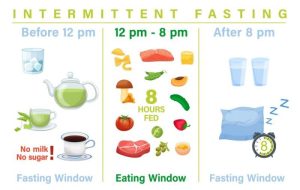
Different intermittent fasting methods vary in their fasting duration and eating windows, leading to distinct metabolic responses and nutritional needs during the refeeding period. For example, a 16/8 method (16 hours fasting, 8 hours eating window) will differ significantly from a 5:2 method (five days of normal eating, two days of restricted calories). This section Artikels some common IF methods and their implications for breaking the fast.
- 16/8 Method (Leangains): This involves a 16-hour fasting period followed by an 8-hour eating window. Because the fasting period is relatively short, individuals can generally tolerate a wider range of foods, but prioritizing nutrient-dense choices remains important. Examples include a balanced meal containing lean protein, healthy fats, and complex carbohydrates. A smoothie with protein powder, fruits, and vegetables could also be a good option.
- 5:2 Diet: This involves eating normally for five days and restricting calorie intake to around 500-600 calories on two non-consecutive days. On the restricted days, focusing on nutrient-dense foods is crucial to maximize satiety and minimize nutrient deficiencies. Small portions of lean protein, vegetables, and healthy fats are ideal choices. A small portion of a lean protein with a large portion of vegetables would be appropriate.
- Alternate-Day Fasting: This involves alternating between days of normal eating and days of complete fasting or very low-calorie intake. Breaking a fast after a full day of fasting requires careful consideration. Starting with easily digestible foods, such as bone broth or a small portion of easily digestible protein like fish or chicken, is recommended to prevent digestive upset. Gradually introducing more complex foods throughout the day is advisable.
- Eat Stop Eat: Similar to alternate-day fasting, but typically involves a 24-hour fast once or twice a week. The principles of breaking the fast are similar to alternate-day fasting: begin with easily digestible, nutrient-rich foods and gradually increase intake throughout the day.
Ideal Foods for Breaking a Fast Based on IF Protocol
The choice of foods to break a fast is influenced by the duration and intensity of the fasting period. Longer fasts often benefit from a more gradual approach, starting with easily digestible foods and progressively introducing more complex carbohydrates and fats.
- Shorter Fasts (e.g., 16/8): A balanced meal with lean protein (chicken, fish, eggs), healthy fats (avocado, nuts, olive oil), and complex carbohydrates (sweet potatoes, brown rice, quinoa) is a good option. Smoothies with protein powder, fruits, and vegetables can also be a suitable choice.
- Longer Fasts (e.g., 24-hour fasts or alternate-day fasting): Begin with easily digestible foods like bone broth, a small portion of easily digestible protein, or a light vegetable soup. Gradually introduce other foods throughout the day, prioritizing nutrient-dense options.
Breaking a fast effectively involves more than just ending your period of abstinence; it’s about strategically nourishing your body to reap the full benefits of your fasting efforts. By prioritizing easily digestible foods, paying attention to nutrient timing, and choosing recipes that suit your dietary preferences and goals, you can ensure a smooth transition and support overall well-being. Remember to listen to your body, start slowly, and enjoy the process of reintroducing nourishment after your fast.
Consistent and mindful eating habits will further amplify the positive effects of your fasting journey.
FAQ Explained
What if I feel nauseous after breaking my fast?
Nausea can occur if you eat too much or too quickly. Start with very small portions of easily digestible foods and increase gradually. If nausea persists, consult a healthcare professional.
Can I drink coffee or tea while breaking my fast?
It depends on your fasting protocol. Some methods allow for black coffee or tea, while others don’t. Check your specific fasting guidelines. Generally, it’s best to wait until you’ve consumed some food before introducing caffeine.
How long should I wait before exercising after breaking my fast?
This depends on the intensity of your exercise and the length of your fast. For shorter fasts and lighter exercise, you may be able to exercise soon after eating a small meal. For longer fasts or intense workouts, it’s best to wait a few hours to allow for proper digestion and nutrient absorption.
Are there any foods I should avoid after breaking a fast?
Highly processed foods, sugary drinks, and large, heavy meals are generally best avoided immediately after breaking a fast. Focus on whole, unprocessed foods that are easy to digest.