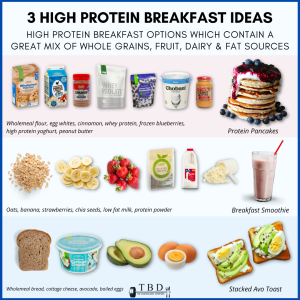
Vegan Meal Planning A Comprehensive Guide
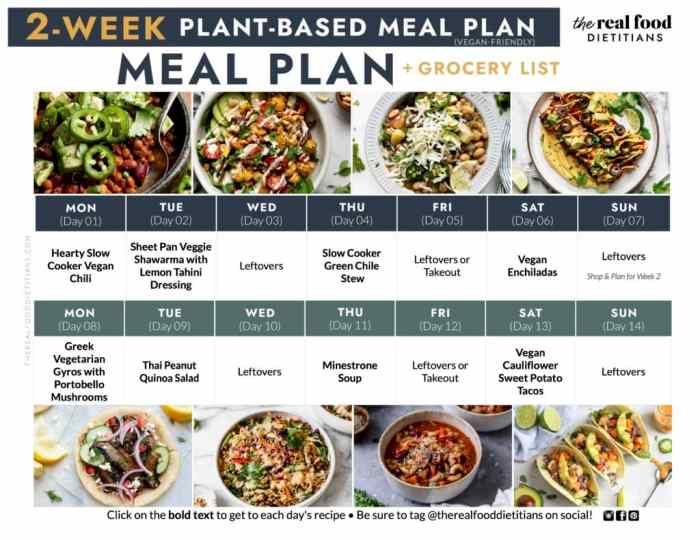
Vegan meal planning offers a delicious and ethical approach to nutrition, embracing plant-based foods while ensuring balanced meals. This guide delves into the fundamentals of creating satisfying and nutritious vegan meals, addressing common challenges and providing practical solutions for beginners and experienced vegans alike. We’ll explore diverse recipes, budget-friendly strategies, and tips for adapting existing recipes to suit a vegan lifestyle.
From understanding the basic principles of vegan nutrition to mastering advanced techniques for creating flavorful and exciting meals, this comprehensive guide equips you with the knowledge and tools to confidently navigate the world of vegan cooking. We will cover everything from simple weeknight dinners to impressive special occasion meals, ensuring there’s something for everyone, regardless of skill level or dietary needs.
Vegan Meal Planning Basics
Planning a vegan diet can seem daunting at first, but with a structured approach, it becomes surprisingly manageable and enjoyable. The key lies in understanding the fundamental principles of nutrition and building a balanced meal plan that meets your individual needs. This involves ensuring you consume enough protein, iron, calcium, vitamin B12, and omega-3 fatty acids, all essential nutrients that can sometimes be harder to obtain on a vegan diet.
Fundamental Principles of Vegan Meal Planning
Successful vegan meal planning centers around incorporating a variety of plant-based foods to achieve nutritional completeness. This means focusing on whole grains, legumes, fruits, vegetables, nuts, seeds, and fortified foods where necessary. Planning meals around these food groups ensures a balanced intake of macronutrients (carbohydrates, proteins, and fats) and micronutrients (vitamins and minerals). Careful consideration should be given to combining complementary protein sources, such as pairing beans with rice or lentils with whole-wheat bread, to optimize protein absorption.
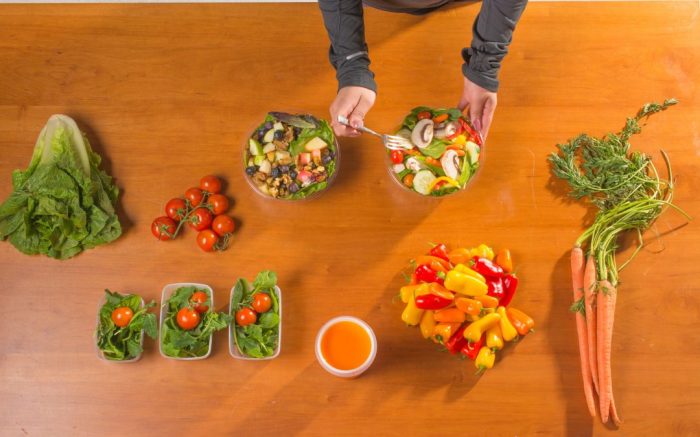
Furthermore, incorporating a variety of colorful vegetables and fruits guarantees a wide spectrum of vitamins and antioxidants.
Sample Weekly Vegan Meal Plan
This sample plan provides a basic framework; adjust portion sizes and specific ingredients based on your individual caloric needs and preferences.
| Day | Breakfast | Lunch | Dinner |
|---|---|---|---|
| Monday | Oatmeal with berries and nuts | Lentil soup with whole-wheat bread | Tofu stir-fry with brown rice |
| Tuesday | Tofu scramble with spinach and mushrooms | Quinoa salad with chickpeas and vegetables | Vegan chili with cornbread |
| Wednesday | Smoothie with banana, spinach, and almond milk | Leftover vegan chili | Black bean burgers on whole-wheat buns with sweet potato fries |
| Thursday | Toast with avocado and tomato | Salad with roasted vegetables and a tahini dressing | Pasta with marinara sauce and vegetables |
| Friday | Overnight oats with chia seeds and fruit | Leftover pasta | Vegan pizza with whole-wheat crust |
| Saturday | Pancakes made with plant-based milk and flour | Buddha bowl with brown rice, roasted vegetables, and a lemon vinaigrette | Vegan lasagna |
| Sunday | Breakfast burrito with tofu, black beans, and salsa | Leftover vegan lasagna | Lentil Shepherd’s Pie |
Tips for Successful Vegan Meal Prepping
Effective meal prepping significantly simplifies the vegan lifestyle. Here are five key strategies:
Planning ahead is crucial. Dedicate some time each week to plan your meals and create a shopping list. This prevents impulsive, unhealthy food choices during the week.
Batch cooking is a time-saver. Prepare large quantities of grains, legumes, and roasted vegetables to use in multiple meals throughout the week. This reduces cooking time and minimizes food waste.
Utilize freezer-friendly recipes. Many vegan dishes freeze well, allowing you to prepare meals in advance and enjoy them later.
Invest in good storage containers. Properly storing your prepped meals helps maintain freshness and prevents spoilage.
Don’t be afraid to experiment. Try new recipes and explore different cuisines to keep your meals interesting and prevent boredom.
Common Challenges Faced by New Vegan Meal Planners and Solutions
Many new vegans face initial hurdles in transitioning to a plant-based diet. One common challenge is ensuring adequate protein intake. The solution involves incorporating a variety of protein sources such as legumes, tofu, tempeh, seitan, nuts, and seeds throughout the day. Another frequent issue is the perceived difficulty in obtaining sufficient iron and vitamin B12. Iron-rich foods like lentils, spinach, and fortified cereals should be included in the diet, and vitamin B12 supplements are often recommended for vegans.
Finally, some find it difficult to create flavorful and satisfying meals. Experimentation with herbs, spices, and different cooking methods can greatly enhance the taste and appeal of vegan dishes. Seeking inspiration from vegan cookbooks and online resources can also be beneficial.
Vegan Meal Planning on a Budget
Adopting a vegan lifestyle doesn’t have to break the bank. With careful planning and smart shopping strategies, nutritious and delicious vegan meals can be surprisingly affordable. This section will explore practical tips and techniques for creating a budget-friendly vegan meal plan.
Creating affordable vegan meals hinges on strategic planning and a focus on inexpensive, nutrient-rich ingredients. Minimizing food waste is crucial, as are taking advantage of sales and discounts at the grocery store. By understanding these key elements, you can significantly reduce your grocery bill while maintaining a healthy and satisfying vegan diet.
Strategies for Minimizing Food Waste
Reducing food waste is paramount for budget-conscious vegan meal planning. Spoiled produce translates directly to lost money. Careful planning and proper storage are essential to extend the shelf life of your ingredients.
Effective strategies include creating a detailed meal plan before shopping, ensuring you only purchase what you need. Proper storage techniques, such as storing fruits and vegetables in airtight containers in the refrigerator, are crucial. Furthermore, using leftovers creatively is key. Vegetable scraps can be used to make flavorful broths, and leftover grains can be incorporated into salads or stir-fries.
Composting food scraps reduces waste and can even provide nutrient-rich soil for your garden.
Budget-Friendly Vegan Staples
Stocking your pantry with affordable vegan staples forms the foundation of cost-effective vegan cooking. These items provide a versatile base for numerous meals and are typically less expensive than many processed vegan alternatives.
A well-stocked pantry should include items like dried beans (kidney, black, pinto, lentils), brown rice, oats, quinoa, canned tomatoes, vegetable broth, spices (cumin, turmeric, chili powder, garlic powder, onion powder), and nutritional yeast. These ingredients are not only inexpensive but also incredibly versatile, forming the basis for numerous hearty and nutritious meals. For example, beans can be used in soups, stews, salads, or as a protein source on their own.
Rice and quinoa are excellent bases for bowls and side dishes, while oats are a breakfast staple that can be adapted in numerous ways.
Planning Meals Around Sales and Discounts
Grocery stores frequently offer sales and discounts on various items. Taking advantage of these opportunities can significantly reduce your overall grocery bill.
Check your local grocery store flyers for weekly sales and plan your meals around the discounted items. Consider buying in bulk when items are on sale, especially for non-perishable staples like dried beans, rice, and oats. Utilizing store apps or websites can provide access to digital coupons and further savings. Flexibility in your meal planning is crucial.
If a certain vegetable is on sale, adapt your menu to include it. This adaptable approach can lead to significant savings over time.
Healthy Recipes and Cooking Tips (Related Topic): Vegan Meal Planning
Creating delicious and nutritious vegan meals is easier than you might think. This section explores five high-protein vegan recipes, offers practical cooking tips to elevate your culinary skills, emphasizes the importance of proper food storage, and provides a visual guide to essential knife skills. By incorporating these elements, you can ensure your vegan meals are both flavorful and healthy.
High-Protein Vegan Recipes
Choosing high-protein vegan recipes is crucial for maintaining energy levels and supporting muscle growth. The following recipes provide ample protein alongside essential vitamins and minerals.
- Lentil Shepherd’s Pie: Lentils are an excellent source of plant-based protein and fiber. Sweet potatoes provide Vitamin A and complex carbohydrates for sustained energy. The combination offers a complete and satisfying meal.
- Black Bean Burgers: Black beans are packed with protein and fiber, contributing to satiety and digestive health. Adding spices like cumin and chili powder enhances flavor and provides antioxidants.
- Tofu Scramble with Vegetables: Tofu is a versatile source of plant-based protein, readily absorbing the flavors of other ingredients. Incorporating a variety of colorful vegetables adds essential vitamins and minerals, boosting the overall nutritional value.
- Chickpea Curry: Chickpeas are a rich source of protein and fiber, promoting digestive health and satiety. The spices used in curry, such as turmeric and ginger, offer anti-inflammatory benefits.
- Vegan Chili: Kidney beans are a powerhouse of protein and fiber, contributing to both satiety and digestive regularity. The addition of tomatoes provides lycopene, a powerful antioxidant.
Cooking Tips for Flavor and Nutrition, Vegan meal planning
Simple cooking techniques can significantly impact the taste and nutritional content of your vegan meals. These tips focus on maximizing both aspects.
- Use Fresh Herbs and Spices: Fresh herbs and spices not only enhance the flavor profile of your dishes but also provide additional antioxidants and other beneficial compounds.
- Don’t Overcook Vegetables: Overcooking vegetables can diminish their nutrient content and make them less appealing. Aim for a slight crispness to retain their vibrant color and nutritional value.
- Roast Your Vegetables: Roasting vegetables brings out their natural sweetness and intensifies their flavor. The process also helps to concentrate their nutrients.
- Experiment with Umami Flavors: Incorporating ingredients like nutritional yeast, mushrooms, and seaweed adds depth and complexity to your dishes, enhancing their overall flavor profile.
- Utilize Acidic Ingredients: Adding a touch of lemon juice, vinegar, or tomatoes can brighten the flavors of your dishes and improve the absorption of certain nutrients.
Proper Food Storage Techniques for Vegan Ingredients
Maintaining the freshness and quality of vegan ingredients is vital for preserving their nutritional value and preventing spoilage.Proper food storage techniques vary depending on the ingredient. Fruits and vegetables should generally be stored in the refrigerator, while some, like potatoes and onions, should be kept in a cool, dark, and dry place. Legumes and grains should be stored in airtight containers in a cool, dry place to prevent insect infestation and maintain their quality.
Tofu and tempeh should be stored in their packaging or wrapped in a clean cloth to maintain their freshness. Freezing is a great option for preserving many vegan ingredients for longer periods.
Visual Guide to Knife Skills
Mastering basic knife skills is essential for efficient and safe food preparation. The following describes the essential techniques.Imagine a diagram showing different grip styles (pinch grip, handle grip), and basic cuts (dicing, mincing, chopping, julienning). The pinch grip is best for precision work like mincing herbs, while the handle grip provides better control for chopping larger vegetables. Diced vegetables are uniformly cubed, perfect for stir-fries or salads.
Mincing involves creating very fine pieces, ideal for herbs or garlic. Chopping creates larger, irregular pieces, suitable for stews or soups. Julienne cuts create long, thin strips, often used in salads or garnishes. The diagram would visually represent the correct hand position and knife angle for each cut. Safety precautions, such as keeping your fingers tucked in, would also be highlighted.
Specialized Dietary Needs (Related Topic)
Adapting a vegan meal plan to meet specific dietary needs requires careful consideration of macronutrient intake, micronutrient density, and overall dietary balance. This section explores how to tailor vegan eating for athletes, optimize gut health, boost energy and focus, and manage weight effectively.
Vegan Meal Planning for Athletes
Vegan athletes require a higher caloric intake than sedentary individuals to fuel training and recovery. Meeting increased energy demands while ensuring adequate protein, carbohydrates, and essential fats is crucial. A well-planned vegan diet can provide all the necessary nutrients for athletic performance. It’s important to focus on nutrient-dense foods like legumes, quinoa, tofu, tempeh, nuts, seeds, and whole grains to provide sufficient calories and essential amino acids for muscle building and repair.
Careful attention should also be paid to iron, calcium, vitamin B12, and omega-3 fatty acid intake, which may require supplementation in some cases. For example, a marathon runner might consume a larger portion of complex carbohydrates like brown rice and sweet potatoes before a race to provide sustained energy. Post-workout, they might consume a plant-based protein shake with added creatine to aid muscle recovery.
Gut Health and the Vegan Diet
The gut microbiome plays a significant role in overall health, influencing digestion, immunity, and even mental well-being. A diverse and thriving gut microbiome is particularly important on a vegan diet. Consuming a wide variety of fruits, vegetables, and whole grains provides a rich source of prebiotics, which feed beneficial gut bacteria. Including fermented foods like kimchi, sauerkraut, and tempeh further enhances gut microbial diversity.
Adequate fiber intake is also crucial for promoting regular bowel movements and supporting a healthy gut environment. Conversely, neglecting fiber intake can lead to digestive issues. For instance, a diet lacking in fiber might result in constipation, bloating, and discomfort, whereas a diet rich in fiber-rich fruits and vegetables promotes regular bowel movements and a healthier gut microbiome.
Vegan Meal Plans for Energy and Focus
Creating a vegan meal plan that promotes energy and focus involves prioritizing foods that provide sustained energy release and support brain function. Complex carbohydrates, such as brown rice, quinoa, and sweet potatoes, provide a slow release of glucose, preventing energy crashes. Lean protein sources, such as lentils, beans, and tofu, support stable blood sugar levels and satiety. Healthy fats, including avocados, nuts, and seeds, are essential for brain health and cognitive function.
Furthermore, adequate hydration is vital for optimal energy levels and cognitive performance. For example, a breakfast of oatmeal with berries and nuts will provide sustained energy throughout the morning, while a lunch of lentil soup with whole-grain bread will provide sustained energy and nutrients for the afternoon.
Vegan Meal Planning for Weight Management
Vegan diets can be highly effective for weight management when planned correctly. Focusing on whole, unprocessed plant foods, including plenty of fruits, vegetables, and legumes, promotes satiety and helps regulate appetite. Mindful portion control is also important. High-fiber foods are particularly beneficial for weight loss as they add bulk to the diet, leading to increased feelings of fullness.
Avoiding excessive consumption of processed vegan foods, which can be high in unhealthy fats and added sugars, is crucial. For example, replacing a processed vegan burger with a homemade lentil burger can significantly reduce calorie intake and improve overall nutritional value. Regular exercise is essential in conjunction with a well-planned vegan diet for effective weight management.
Embarking on a vegan journey is a rewarding experience, and successful vegan meal planning is key to its enjoyment and long-term sustainability. By incorporating the tips, recipes, and strategies Artikeld in this guide, you can create a diverse, delicious, and nutritious plant-based diet that supports your health and well-being. Remember to be creative, experiment with new ingredients, and enjoy the process of discovering the incredible world of vegan cuisine.
FAQ Overview
What are the essential nutrients to focus on when planning a vegan diet?
Focus on getting enough vitamin B12 (often requires supplementation), iron, calcium, omega-3 fatty acids, and zinc. These are often found in fortified foods or specific plant sources.
How can I ensure I’m getting enough protein on a vegan diet?
Legumes (beans, lentils), tofu, tempeh, seitan, nuts, seeds, and quinoa are excellent sources of plant-based protein. Combining different protein sources throughout the day ensures complete amino acid intake.
Is it expensive to eat a vegan diet?
Not necessarily. Focusing on whole, unprocessed plant foods like beans, lentils, rice, and seasonal vegetables can be very budget-friendly. Careful meal planning and minimizing food waste also help.
How do I deal with social situations where vegan options are limited?
Plan ahead! Bring a snack or small meal with you. Communicate your dietary needs clearly and politely to hosts or restaurant staff. Many restaurants now offer vegan options.