Top Superfoods for Energy Boost
Top superfoods for energy: Unlocking sustained vitality and peak performance hinges on understanding which foods truly fuel our bodies. This exploration delves into the nutritional powerhouses that provide both immediate energy bursts and long-lasting stamina, examining their unique mechanisms and how to incorporate them effectively into your diet. We’ll uncover the secrets to optimizing energy levels through strategic food choices, covering various dietary approaches and addressing common questions.
From understanding the science behind sustained versus quick energy release to creating practical meal plans and exploring budget-friendly options, this guide offers a comprehensive roadmap to harnessing the power of superfoods for a more energetic and vibrant life. We’ll also discuss the role of superfoods in supporting athletic performance, gut health, and weight management goals.
Defining “Top Superfoods for Energy”
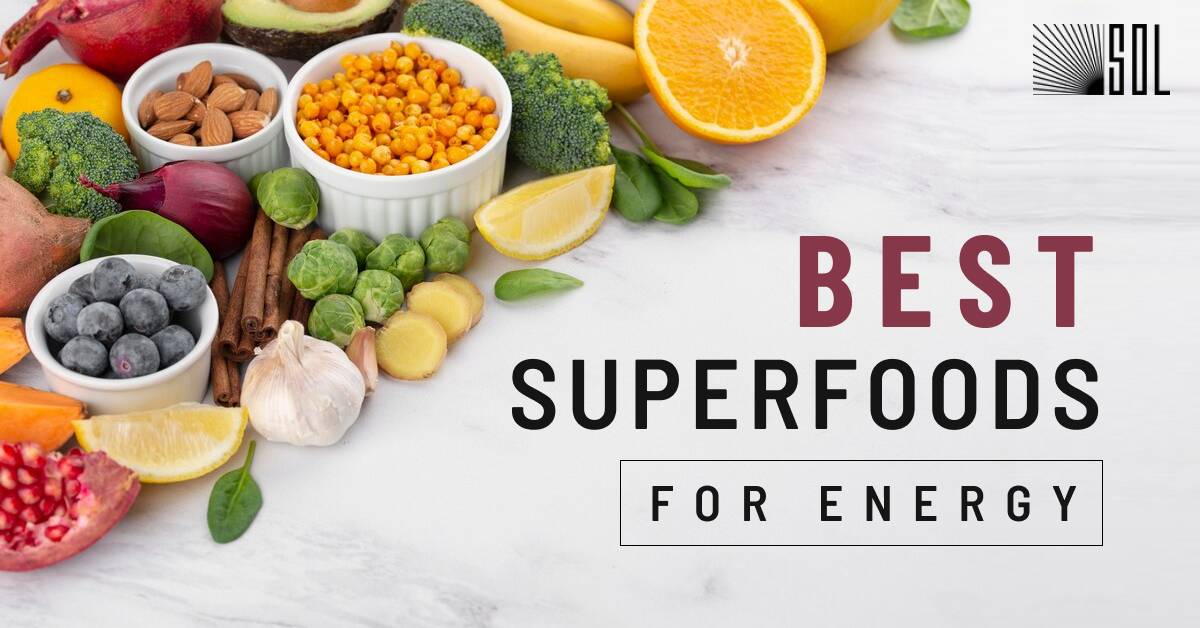
The term “superfoods” often lacks a precise scientific definition, but generally refers to nutrient-rich foods that offer significant health benefits, including sustained energy levels. These foods are not magic bullets, but rather contribute to overall well-being by providing the building blocks for efficient energy production. Focusing on energy, we’ll explore foods rich in specific vitamins, minerals, and antioxidants that fuel our bodies.
Many foods contribute to energy levels, but certain ones stand out due to their exceptional nutritional profiles. Their energy-boosting effects stem from a complex interplay of macronutrients (carbohydrates, proteins, fats) and micronutrients (vitamins and minerals), which work synergistically to support cellular energy production and overall metabolic function. The type of energy provided – immediate or sustained – also varies depending on the food’s composition.
Energy-Boosting Superfoods and Their Nutritional Contributions
Several foods consistently appear on lists of energy-boosting superfoods. Their benefits are largely attributed to their high concentration of specific nutrients crucial for energy metabolism.
- Leafy Greens (Spinach, Kale, Collard Greens): Rich in iron, magnesium, and vitamins A, C, and K, these contribute to red blood cell production (iron), energy production (magnesium), and antioxidant protection (vitamins A, C, K). The sustained energy provided is due to their complex carbohydrate content and slow digestion.
- Berries (Blueberries, Strawberries, Raspberries): Packed with antioxidants (anthocyanins), these protect cells from damage and reduce inflammation, contributing to overall energy levels. Their moderate sugar content provides a quicker energy boost, but the antioxidants offer longer-term benefits.
- Nuts and Seeds (Almonds, Walnuts, Chia Seeds, Flax Seeds): Excellent sources of healthy fats (monounsaturated and polyunsaturated), protein, and fiber, these provide sustained energy release. The healthy fats are essential for hormone production and cell function, while the fiber promotes stable blood sugar levels, preventing energy crashes.
- Sweet Potatoes: A complex carbohydrate source, rich in vitamin A and fiber, provides sustained energy release. The fiber slows digestion, preventing rapid spikes and drops in blood sugar.
- Avocados: High in healthy monounsaturated fats, fiber, and potassium, avocados contribute to sustained energy. The healthy fats support hormone production and cell function, while potassium is crucial for nerve and muscle function.
- Bananas: A good source of potassium and natural sugars, bananas offer a quick energy boost. The potassium helps regulate fluid balance and muscle function, while the sugars provide readily available energy.
Comparing Energy-Boosting Effects: Immediate vs. Sustained Release
The energy provided by different superfoods varies significantly in terms of its speed and duration. This difference is primarily due to the food’s macronutrient composition and fiber content.
| Superfood Category | Type of Energy Release | Explanation | Example |
|---|---|---|---|
| Simple Carbohydrates (Bananas, some berries) | Immediate | Quickly digested and absorbed, leading to a rapid increase in blood sugar and energy. However, this energy boost is often short-lived. | A banana provides a quick energy boost before a workout. |
| Complex Carbohydrates (Sweet potatoes, leafy greens) | Sustained | Digested more slowly, leading to a gradual and prolonged release of energy, preventing energy crashes. | Sweet potatoes provide sustained energy throughout the afternoon. |
| Healthy Fats (Avocados, nuts, seeds) | Sustained | Provide a steady source of energy, crucial for hormone production and cell function. They contribute to satiety, preventing overeating. | Almonds provide sustained energy and help prevent mid-afternoon hunger pangs. |
Superfoods for Sustained Energy
Sustained energy is crucial for maintaining productivity and overall well-being throughout the day. Unlike the quick bursts provided by sugary snacks, sustained energy release keeps energy levels stable and prevents the dreaded afternoon slump. This is achieved by consuming foods that are rich in complex carbohydrates, healthy fats, and protein, which are digested and absorbed more slowly than simple sugars.
These nutrients provide a steady stream of glucose to the brain and body, fueling your activities without the subsequent crash.
Five Superfoods for Sustained Energy Release
Choosing the right foods is key to achieving sustained energy. The following five superfoods offer a balanced approach to providing long-lasting fuel for your body. Remember that individual needs vary, and consulting a nutritionist or doctor is always advisable for personalized dietary advice.
- Oats: Oats are a powerhouse of complex carbohydrates, providing a slow and steady release of glucose into the bloodstream. Their high fiber content also promotes satiety, preventing overeating and maintaining stable blood sugar levels. The soluble fiber in oats also helps regulate cholesterol levels. A typical serving is ½ cup of dry oats, providing approximately 150 calories and 4 grams of fiber.
- Sweet Potatoes: These vibrant vegetables are rich in complex carbohydrates and vitamin A, providing sustained energy and supporting eye health. They also contain antioxidants, which help protect cells from damage. A medium-sized sweet potato contains approximately 100 calories and 4 grams of fiber.
- Almonds: These nuts are an excellent source of healthy fats, protein, and fiber. Healthy fats provide sustained energy, while protein helps to maintain muscle mass and satiety. The fiber contributes to stable blood sugar levels. A serving of about 23 almonds provides roughly 160 calories and 3.5 grams of fiber.
- Quinoa: This complete protein source provides all nine essential amino acids, contributing to sustained energy and muscle repair. It’s also a good source of complex carbohydrates and fiber. A cooked cup of quinoa contains about 220 calories and 5 grams of fiber.
- Eggs: Eggs are a complete protein source, offering sustained energy and supporting muscle growth and repair. They also contain choline, an essential nutrient for brain function. Two large eggs provide approximately 160 calories and 6 grams of protein.
Sample Weekly Meal Plan Incorporating Superfoods
This sample meal plan demonstrates how to incorporate these superfoods into a balanced diet for sustained energy throughout the week. Remember to adjust portion sizes based on your individual caloric needs and activity level. This is a sample plan and may need adjustments based on personal preferences and dietary restrictions.
| Day | Breakfast | Lunch | Dinner |
|---|---|---|---|
| Monday | Oatmeal with berries and almonds | Quinoa salad with roasted vegetables and chickpeas | Baked salmon with sweet potato and steamed broccoli |
| Tuesday | Scrambled eggs with whole-wheat toast | Leftover salmon and sweet potato | Lentil soup with whole-grain bread |
| Wednesday | Smoothie with oats, banana, and almond milk | Chicken salad sandwich on whole-wheat bread with a side salad | Chicken stir-fry with brown rice |
| Thursday | Yogurt with berries and almonds | Leftover chicken stir-fry | Vegetarian chili with cornbread |
| Friday | Oatmeal with fruit and nuts | Tuna salad with whole-wheat crackers | Baked chicken breast with roasted vegetables |
| Saturday | Scrambled eggs with avocado toast | Leftover baked chicken and vegetables | Pizza with whole-wheat crust and plenty of vegetables |
| Sunday | Pancakes made with whole-wheat flour and topped with fruit | Leftover pizza | Roast beef with mashed sweet potatoes and green beans |
Superfoods for Quick Energy
Need a rapid energy boost? Certain foods offer a quick surge of energy, thanks to their rapid digestion and absorption. However, understanding their impact on long-term energy levels is crucial for sustainable health.
Three superfoods known for their ability to provide a quick energy lift are bananas, dates, and sweet potatoes. These foods contain readily available carbohydrates that are quickly broken down into glucose, the body’s primary fuel source. This process involves enzymatic breakdown in the digestive tract, leading to a rapid increase in blood sugar and subsequent energy release.
Biochemical Processes of Quick Energy Release
Bananas are rich in simple sugars like fructose and sucrose, which are easily digested and absorbed. Dates are similarly high in simple sugars, providing a rapid energy boost. Sweet potatoes, while containing complex carbohydrates, also offer readily available sugars that contribute to quick energy release, albeit slightly slower than bananas and dates due to their fiber content. The body’s metabolic processes efficiently convert these sugars into glucose, which fuels cellular activity and provides that immediate energy surge.
Drawbacks of Relying Solely on Quick-Energy Superfoods
While convenient for immediate energy needs, relying solely on quick-energy superfoods can lead to several drawbacks. The rapid rise in blood sugar can result in energy crashes as blood sugar levels plummet. This rollercoaster effect can leave you feeling even more fatigued than before consuming the food. Furthermore, consistent consumption of foods high in simple sugars can contribute to weight gain, insulin resistance, and increased risk of chronic diseases like type 2 diabetes.
A balanced approach that incorporates both quick-energy and sustained-energy foods is essential for optimal energy levels and overall health.
Glycemic Index and Energy Release Profile Comparison
The glycemic index (GI) measures how quickly a carbohydrate-containing food raises blood glucose levels. A higher GI indicates a faster rise in blood sugar. The following table compares the approximate GI and energy release profiles of the three quick-energy superfoods discussed:
| Superfood | Approximate Glycemic Index (GI) | Energy Release Profile | Notes |
|---|---|---|---|
| Banana | 51-62 (varies by ripeness) | Relatively fast, moderate duration | Ripe bananas have a higher GI than unripe ones. |
| Dates | ~43-50 (varies by variety) | Moderately fast, moderate duration | GI can vary depending on the type of date. |
| Sweet Potato (baked) | ~54-60 | Moderately fast, longer duration than bananas or dates | Fiber content slows down the absorption compared to simple sugars. |
Vegan and Vegetarian Superfood Options for Energy
Maintaining sufficient energy levels on a vegan or vegetarian diet requires careful planning and selection of nutrient-rich foods. While some may perceive limitations, a wide array of plant-based options offer substantial energy boosts, often exceeding the nutritional value of their non-vegetarian counterparts in certain aspects. This section will highlight key superfoods that contribute significantly to sustained energy levels within a plant-based dietary framework.
Vegan Superfoods for Energy
A well-planned vegan diet can easily provide ample energy. The key is focusing on nutrient-dense foods that offer a balance of carbohydrates, healthy fats, and protein. The following five vegan superfoods exemplify this approach.
- Quinoa: This complete protein source is rich in complex carbohydrates, providing sustained energy release. Its fiber content also aids digestion and prevents energy crashes. Compared to white rice, quinoa boasts a higher protein and fiber content, leading to greater satiety and a more gradual energy release.
- Lentils: Another excellent source of plant-based protein and complex carbohydrates, lentils offer a slow-burning energy supply. Their iron content is also vital for energy production, although bioavailability can be lower than in heme iron found in meat. Strategies to improve absorption, such as consuming lentils with vitamin C-rich foods, are crucial.
- Avocado: Rich in healthy monounsaturated fats, avocados provide sustained energy and support nutrient absorption. Unlike many processed foods which offer a quick energy spike followed by a crash, avocados promote a more stable energy level throughout the day. Compared to butter, avocados offer a richer profile of vitamins and minerals alongside healthy fats.
- Spinach: Packed with iron, magnesium, and vitamins, spinach contributes to energy production and overall well-being. While non-heme iron in spinach is less readily absorbed than heme iron in meat, combining spinach with foods rich in vitamin C significantly improves its bioavailability. This means a serving of spinach paired with a citrus fruit offers superior iron absorption.
- Sweet Potatoes: These are an excellent source of complex carbohydrates and vitamin A, providing sustained energy and supporting various bodily functions. Their glycemic index is relatively low, meaning they release energy gradually, preventing energy spikes and crashes. Compared to white potatoes, sweet potatoes contain a significantly higher amount of beta-carotene, which the body converts into vitamin A.
Vegetarian Superfoods for Energy
Vegetarian diets, which include dairy and eggs, offer even greater flexibility in achieving optimal energy levels. The following five options highlight the advantages of including these additional food groups.
- Eggs: A complete protein source, eggs provide all essential amino acids crucial for energy production and muscle repair. Their choline content also supports brain function and energy metabolism. Compared to plant-based protein sources, eggs offer a higher bioavailability of certain amino acids, making them a highly efficient protein source.
- Greek Yogurt: Rich in protein and calcium, Greek yogurt supports sustained energy levels and bone health. Its probiotics contribute to gut health, which is essential for optimal nutrient absorption and overall well-being. Compared to regular yogurt, Greek yogurt boasts higher protein content, offering a more substantial energy boost.
- Cottage Cheese: Another excellent source of protein and calcium, cottage cheese offers sustained energy and supports muscle growth and repair. Its casein protein provides a slow and steady release of amino acids, preventing energy dips. Compared to other dairy products, cottage cheese often contains lower fat content, making it a healthier choice for those watching their calorie intake.
- Almonds: Almonds provide healthy fats, protein, and fiber, contributing to sustained energy levels and satiety. Their vitamin E content also acts as an antioxidant, protecting cells from damage. Compared to other nuts, almonds contain a relatively high amount of vitamin E, a powerful antioxidant.
- Brown Rice: A complex carbohydrate source, brown rice offers sustained energy release compared to refined white rice. Its fiber content also aids digestion and prevents energy crashes. Compared to white rice, brown rice retains its bran and germ, significantly increasing its fiber and nutrient content.
Challenges and Strategies for Adequate Energy Intake on Vegan and Vegetarian Diets
Maintaining sufficient energy on a vegan or vegetarian diet requires attention to detail. Potential challenges include ensuring adequate protein intake, obtaining sufficient iron and vitamin B12 (especially for vegans), and managing overall caloric intake to meet energy demands. Strategies to overcome these challenges include careful meal planning, incorporating a variety of nutrient-rich foods, and potentially using supplements (such as vitamin B12 for vegans) under the guidance of a healthcare professional or registered dietitian.
Careful attention to macronutrient balance and micronutrient intake is key to sustained energy levels. For example, combining iron-rich foods with vitamin C-rich foods significantly enhances iron absorption. Similarly, ensuring adequate intake of healthy fats and complex carbohydrates is vital for sustained energy release.
Superfoods and Keto/Low-Carb Diets
Superfoods, while generally beneficial for health, require careful consideration within the context of ketogenic or low-carb diets. These diets strictly limit carbohydrate intake to induce ketosis, a metabolic state where the body burns fat for energy instead of glucose. Certain superfoods, naturally high in carbohydrates, can hinder this process. Understanding which superfoods align with keto principles and how to incorporate them effectively is crucial for maximizing both nutritional benefits and dietary goals.The primary challenge lies in balancing the nutritional advantages of superfoods with the macronutrient restrictions of keto and low-carb diets.
Many superfoods, prized for their vitamin and mineral content, are also relatively high in carbohydrates, potentially disrupting ketosis. Careful selection and portion control are key to successfully integrating these foods into a ketogenic lifestyle.
Keto-Friendly Superfood Choices
Many superfoods are naturally low in carbohydrates and high in healthy fats, making them excellent additions to a ketogenic diet. These options provide essential nutrients without significantly impacting blood sugar levels.
- Avocado: Rich in healthy monounsaturated fats, fiber, and various micronutrients. A single avocado provides approximately 15 grams of healthy fats and only about 9 grams of net carbs.
- Macadamia Nuts: High in healthy fats and low in carbs, these nuts offer a satisfying and nutritious snack option. A one-ounce serving contains about 2 grams of net carbs.
- Chia Seeds: While containing some carbohydrates, chia seeds are also a good source of fiber, which slows down digestion and helps regulate blood sugar levels. They also provide omega-3 fatty acids and other essential nutrients.
- Olive Oil: A staple in the Mediterranean diet, olive oil is a rich source of monounsaturated fats and antioxidants. It’s a versatile cooking oil and can be used in dressings and dips.
Potential Conflicts and Mitigation Strategies
Some superfoods, while nutritious, present challenges within a strict ketogenic framework due to their higher carbohydrate content.
- Berries: While packed with antioxidants, berries are relatively high in carbohydrates compared to other superfoods. Moderation is key; a small serving may be acceptable, but larger portions could hinder ketosis.
- Legumes: Lentils, beans, and chickpeas are excellent sources of protein and fiber but are high in carbohydrates and should be limited or avoided on a keto diet.
- Certain Vegetables: While many vegetables are keto-friendly, some starchy vegetables like potatoes and corn should be limited or excluded.
To mitigate potential conflicts, careful portion control is paramount. Prioritize superfoods lower in net carbohydrates, and use online resources or keto-friendly tracking apps to accurately monitor your macronutrient intake.
Keto/Low-Carb Superfood Recipes, Top superfoods for energy
Incorporating superfoods into a ketogenic diet doesn’t require complex recipes. Simple preparations can highlight their natural flavors and nutritional benefits.
- Avocado Chocolate Mousse: Blend ripe avocados with unsweetened cocoa powder, erythritol (keto-friendly sweetener), and a splash of almond milk for a creamy and decadent dessert. The healthy fats from the avocado contribute to satiety and keep you feeling full.
- Chia Seed Pudding: Combine chia seeds with unsweetened almond milk, a keto-friendly sweetener, and vanilla extract. Let it sit in the refrigerator overnight to allow the chia seeds to absorb the liquid, creating a thick and nutritious pudding. You can add berries sparingly.
- Macadamia Nut and Olive Oil Salad Dressing: Blend macadamia nuts with olive oil, lemon juice, salt, and pepper for a healthy and flavorful salad dressing. This combination provides healthy fats, antioxidants, and a satisfying crunch.
Superfoods and Intermittent Fasting
Intermittent fasting (IF) cycles between periods of eating and voluntary fasting on a regular schedule. While IF can offer various health benefits, managing energy levels during the fasting window is crucial for adherence and overall well-being. Strategic incorporation of specific superfoods can significantly improve energy levels and reduce hunger pangs during these periods.Superfoods can optimize energy during intermittent fasting by providing sustained energy release, preventing blood sugar crashes, and offering essential nutrients that support metabolic function during periods of caloric restriction.
The types of superfoods most beneficial during IF are those that are nutrient-dense, low in readily digestible carbohydrates, and high in healthy fats or protein. Careful timing of consumption is also important to maximize their effectiveness and minimize any potential negative effects.
Timing Superfood Consumption During Intermittent Fasting
The optimal timing for consuming superfoods during intermittent fasting depends on the individual’s fasting schedule and personal tolerance. Generally, it’s advisable to consume superfoods towards the end of the fasting period or shortly after the fasting window concludes. This strategy helps to prevent excessive hunger and provides sustained energy throughout the day. For example, consuming a small portion of avocado or a handful of nuts later in the fasting window might help stave off intense hunger pangs without breaking the fast.
It’s important to listen to your body and adjust accordingly.
Managing Hunger and Energy Dips During Intermittent Fasting with Superfoods
Managing hunger and energy dips during intermittent fasting is a common challenge. However, strategically chosen superfoods can significantly mitigate these issues. High-fiber foods, such as chia seeds or berries, can promote satiety and prevent blood sugar spikes and crashes. Healthy fats, found in avocados, nuts, and seeds, provide sustained energy release, keeping you feeling fuller for longer.
Protein-rich options, such as Greek yogurt (if not vegan) or edamame, can also contribute to satiety and stable energy levels. The key is to prioritize superfoods that provide sustained energy rather than a quick sugar rush that will lead to a subsequent crash. For example, a small portion of almonds or a handful of berries would be preferable to a sugary snack.
Superfoods and Athletic Performance: Top Superfoods For Energy
Superfoods, when strategically incorporated into an athlete’s diet, can significantly enhance performance, promoting faster recovery, increased endurance, and improved muscle growth. The benefits vary depending on the specific superfood and the type of athletic activity. Understanding these nuances allows athletes to tailor their nutrition for optimal results.
Many superfoods contain unique combinations of vitamins, minerals, antioxidants, and phytonutrients that directly support the body’s physiological responses to intense physical activity. These nutrients aid in energy production, reduce inflammation, protect against oxidative stress, and promote efficient muscle repair, all crucial elements for peak athletic performance.
Superfoods for Endurance
Endurance athletes, such as marathon runners and cyclists, benefit greatly from superfoods that provide sustained energy and combat fatigue. Beets, for example, are rich in nitrates, which improve blood flow and oxygen delivery to muscles, leading to increased stamina and reduced perceived exertion. Similarly, quinoa, a complete protein source, offers sustained energy release due to its complex carbohydrate content, while also providing essential amino acids for muscle repair.
Dark leafy greens like spinach provide iron, crucial for oxygen transport in the blood, further supporting endurance.
Superfoods for Muscle Growth and Recovery
Weightlifters and other strength athletes require superfoods that support muscle protein synthesis and reduce muscle soreness. Whey protein, derived from milk, is a rapid-digesting protein source that facilitates muscle repair after intense workouts. Greek yogurt, another excellent source of protein, also provides calcium, essential for bone health, particularly important for high-impact activities. Avocado, rich in healthy fats and potassium, helps regulate electrolyte balance, critical for muscle function and hydration.
Superfoods for Various Athletic Activities
The optimal superfood choices vary depending on the specific demands of the athletic activity. For example, endurance athletes may prioritize beets and quinoa for sustained energy, while strength athletes may focus on whey protein and Greek yogurt for muscle recovery and growth. However, a balanced approach incorporating a variety of superfoods is generally recommended to address the diverse nutritional needs of athletes.
For instance, a long-distance swimmer might benefit from the iron in spinach to enhance oxygen delivery, while also incorporating the sustained energy from quinoa to maintain performance throughout the event. A weightlifter, meanwhile, might prioritize Greek yogurt and avocado for muscle recovery and electrolyte balance, while also consuming berries for their antioxidant properties to combat inflammation.
Sample Meal Plan for Optimal Athletic Performance
This sample meal plan incorporates various superfoods to support optimal athletic performance. It is a general guideline and should be adjusted based on individual needs, training intensity, and specific athletic goals. Calorie and macronutrient needs will vary significantly based on these factors. Consulting with a registered dietitian or sports nutritionist is recommended for personalized guidance.
| Meal | Superfoods Incorporated | Description |
|---|---|---|
| Breakfast | Greek Yogurt, Berries, Quinoa | A high-protein breakfast with antioxidants and sustained energy release. |
| Lunch | Spinach Salad with Avocado and Grilled Chicken | Provides iron, healthy fats, and lean protein for muscle repair. |
| Dinner | Salmon with Roasted Sweet Potatoes and Broccoli | Rich in omega-3 fatty acids, complex carbohydrates, and vitamins for overall health and recovery. |
| Snacks | Beets, Whey Protein Shake, Dark Chocolate | Provides sustained energy, protein for muscle repair, and antioxidants. |
By strategically incorporating a variety of energy-boosting superfoods into your daily diet, you can significantly improve your energy levels, enhance athletic performance, and support overall well-being. Remember that consistency is key; a balanced approach that considers both immediate and sustained energy needs, alongside your individual dietary preferences and health goals, is crucial for achieving optimal results. This exploration serves as a starting point for a personalized journey toward unlocking your body’s full energetic potential.
FAQs
Are all superfoods created equal in terms of energy?
No. Different superfoods offer different types of energy. Some provide quick bursts (e.g., bananas), while others offer sustained energy release (e.g., oats).
Can I rely solely on superfoods for energy?
While superfoods are beneficial, a balanced diet incorporating various nutrient-rich foods is essential for optimal energy levels. Relying solely on superfoods can lead to nutritional imbalances.
How can I incorporate superfoods into a busy lifestyle?
Prepare superfood-rich meals and snacks in advance. Add superfoods to existing meals (e.g., berries to yogurt, spinach to smoothies). Choose convenient options like pre-portioned snacks or quick-cooking recipes.
What if I have allergies or dietary restrictions?
Always consult a doctor or registered dietitian to determine suitable superfoods based on your individual health needs and dietary restrictions. Many superfood alternatives exist.