How to Eat Healthy on a Tight Budget
How to eat healthy on a tight budget is a challenge many face, but it’s entirely achievable with careful planning and creative cooking. This guide explores practical strategies for nourishing your body without breaking the bank, covering everything from budget-friendly meal planning and affordable recipe ideas to smart shopping techniques and minimizing food waste. We’ll delve into various dietary approaches, including vegan, vegetarian, keto, and more, demonstrating how to adapt them to suit a limited budget.
Ultimately, we aim to empower you with the knowledge and tools to make healthy eating a sustainable part of your life, regardless of your financial constraints.
Affordable Healthy Recipe Ideas
Eating healthy doesn’t have to break the bank. With a little planning and creativity, you can enjoy delicious and nutritious meals without sacrificing your budget. This section focuses on budget-friendly recipes utilizing inexpensive protein sources and readily available ingredients. We’ll explore options for breakfast, lunch, and dinner, providing nutritional information where possible to help you make informed choices.
Budget-Friendly Dinner Recipes
These five recipes highlight the versatility of beans, lentils, and other affordable protein sources, offering a variety of flavors and nutritional benefits. Each recipe aims for a cost of under $5 per serving, depending on regional pricing. Nutritional information is approximate and can vary based on specific ingredients and portion sizes.
- Lentil Soup: This hearty soup is packed with protein and fiber. Combine 1 cup red lentils, 4 cups vegetable broth, 1 diced onion, 2 carrots (diced), 1 celery stalk (diced), and your favorite spices (cumin, turmeric, coriander). Simmer until lentils are tender. Approximate Nutritional Information (per serving): Calories: 250, Protein: 15g, Fiber: 12g.
- Black Bean Burgers: Mash one can of black beans with breadcrumbs, chopped onion, garlic, and spices. Form into patties and bake or pan-fry. Serve on whole-wheat buns with your favorite toppings. Approximate Nutritional Information (per serving): Calories: 300, Protein: 18g, Fiber: 15g.
- Chickpea Curry: Sauté diced onions, garlic, and ginger. Add one can of chickpeas, diced tomatoes, coconut milk, and curry powder. Simmer until thickened. Serve with brown rice. Approximate Nutritional Information (per serving): Calories: 350, Protein: 12g, Fiber: 10g.
- Bean and Vegetable Chili: Combine kidney beans, black beans, diced tomatoes, corn, onions, peppers, and chili powder in a pot. Simmer until flavors meld. Top with shredded cheese or Greek yogurt (optional). Approximate Nutritional Information (per serving): Calories: 320, Protein: 15g, Fiber: 14g.
- Lentil Shepherd’s Pie: Layer cooked lentils with a mixture of chopped vegetables (carrots, peas, corn) in a baking dish. Top with mashed sweet potatoes or regular potatoes. Bake until heated through. Approximate Nutritional Information (per serving): Calories: 400, Protein: 18g, Fiber: 15g.
Quick and Easy Breakfast Recipes
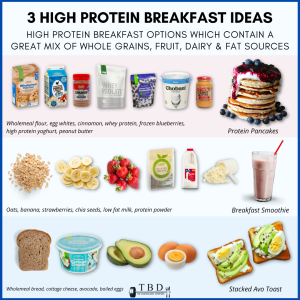
These breakfast options are designed to be both quick to prepare and budget-friendly, costing under $2 per serving. They prioritize whole grains and fruits for sustained energy and essential nutrients.
- Oatmeal with Berries: Cook rolled oats with water or milk. Top with fresh or frozen berries and a sprinkle of nuts or seeds (optional). Approximate Nutritional Information (per serving): Calories: 300, Protein: 5g, Fiber: 8g.
- Whole Wheat Toast with Avocado: Toast a slice of whole-wheat bread and top with mashed avocado. Add a sprinkle of salt and pepper. Approximate Nutritional Information (per serving): Calories: 250, Protein: 4g, Fiber: 10g.
- Yogurt with Fruit and Granola: Combine plain yogurt with your favorite fruits and a small amount of granola. Approximate Nutritional Information (per serving): Calories: 200, Protein: 10g, Fiber: 5g.
Budget-Friendly Lunch Recipes
These lunch recipes are designed to be prepared in bulk for the week, keeping costs under $3 per serving. They emphasize nutritious ingredients and easy preparation for busy weekdays.
- Big Salad with Hard-Boiled Eggs and Beans: Combine mixed greens, chopped vegetables (cucumber, tomatoes, peppers), hard-boiled eggs, and canned beans (chickpeas, kidney beans). Dress with a simple vinaigrette. Approximate Nutritional Information (per serving): Calories: 350, Protein: 15g, Fiber: 8g.
- Leftover Lentil Soup or Chili: Repurpose your dinner leftovers for a quick and easy lunch. Nutritional information varies depending on the recipe used.
- Tuna Salad Sandwiches on Whole Wheat: Mix canned tuna with mayonnaise, celery, and onion. Serve on whole-wheat bread. Approximate Nutritional Information (per serving): Calories: 300, Protein: 20g, Fiber: 4g.
- Quinoa Salad with Vegetables and Feta: Cook quinoa according to package directions. Combine with chopped vegetables (cucumber, tomatoes, bell peppers), crumbled feta cheese, and a lemon vinaigrette. Approximate Nutritional Information (per serving): Calories: 380, Protein: 10g, Fiber: 7g.
- Black Bean and Corn Salad: Combine canned black beans, corn, chopped red onion, cilantro, and a lime dressing. Serve with whole-wheat tortilla chips. Approximate Nutritional Information (per serving): Calories: 300, Protein: 12g, Fiber: 10g.
Healthy Recipes and Cooking Tips
Eating healthy on a budget doesn’t require sacrificing taste or nutrition. By utilizing simple cooking techniques and readily available ingredients, you can create delicious and nutritious meals without breaking the bank. This section provides practical tips and recipes to help you achieve your healthy eating goals affordably.
Ten Beginner-Friendly Healthy Recipes
The following table Artikels ten healthy recipes ideal for beginners, emphasizing ease of preparation and cost-effectiveness. These recipes utilize common ingredients, minimizing the need for specialized grocery shopping. Estimated costs are approximate and may vary depending on location and sales.
| Recipe Name | Ingredients | Instructions (brief) | Estimated Cost (USD) |
|---|---|---|---|
| Lentil Soup | Lentils, carrots, celery, onion, vegetable broth | Sauté vegetables, add lentils and broth, simmer until lentils are tender. | $3-4 |
| Black Bean Burgers | Black beans, breadcrumbs, onion, spices | Mash beans, mix with other ingredients, form patties, and pan-fry or bake. | $4-5 |
| Chickpea Curry | Chickpeas, coconut milk, onion, garlic, spices | Sauté onion and garlic, add chickpeas, coconut milk, and spices, simmer until thickened. | $5-6 |
| One-Pan Roasted Vegetables | Broccoli, carrots, potatoes, olive oil, herbs | Toss vegetables with olive oil and herbs, roast in a single pan until tender. | $4-5 |
| Quinoa Salad | Quinoa, cucumber, tomatoes, red onion, lemon juice | Cook quinoa, chop vegetables, combine with lemon juice and seasoning. | $3-4 |
| Oatmeal with Berries | Rolled oats, water or milk, berries | Cook oats according to package directions, top with berries. | $2-3 |
| Scrambled Eggs with Spinach | Eggs, spinach, whole-wheat toast | Sauté spinach, scramble eggs, serve with toast. | $2-3 |
| Tuna Salad Sandwiches | Canned tuna, whole-wheat bread, celery, mayonnaise | Mix tuna, celery, and mayonnaise, serve on whole-wheat bread. | $3-4 |
| Pasta with Marinara Sauce and Vegetables | Pasta, marinara sauce, vegetables (e.g., zucchini, bell peppers) | Cook pasta, sauté vegetables, combine with sauce. | $4-5 |
| Baked Sweet Potato | Sweet potatoes | Pierce sweet potatoes, bake until tender. | $1-2 |
Cooking Techniques to Minimize Food Waste and Maximize Nutritional Value
Proper cooking techniques play a crucial role in reducing food waste and preserving nutrients. The following techniques help achieve both goals efficiently.
Employing these methods not only reduces waste but also enhances the nutritional content and overall flavor of your meals.
- Proper Storage: Storing food correctly (refrigeration, freezing) significantly extends its shelf life, minimizing spoilage and waste. For example, storing leftover vegetables in airtight containers helps prevent them from wilting and losing their nutrients.
- Meal Planning: Planning meals in advance helps prevent impulsive purchases and reduces the likelihood of food spoiling before it’s used. Creating a weekly meal plan based on available ingredients minimizes waste and ensures balanced nutrition.
- Using Leftovers Creatively: Transform leftovers into new dishes. For instance, leftover roasted chicken can be used in salads, soups, or sandwiches, preventing waste and adding variety to your meals.
- Steaming and Boiling: These methods preserve more nutrients than frying or roasting, as they minimize nutrient loss through heat and water evaporation. Steaming vegetables, for instance, retains more vitamins and minerals compared to boiling or frying.
- Composting Food Scraps: Composting food scraps reduces landfill waste and creates nutrient-rich soil for your garden. This is particularly beneficial for vegetable scraps, coffee grounds, and eggshells.
Ingredient Substitutions in Popular Recipes
Substituting expensive ingredients with affordable alternatives is key to budget-friendly healthy eating. The nutritional value can often be maintained or even improved with clever swaps.
These examples demonstrate how simple substitutions can significantly reduce the cost of popular dishes without compromising their nutritional profile.
- Chicken Stir-fry: Replace expensive chicken breast with cheaper chicken thighs or even lentils or chickpeas for a vegetarian option. The protein content remains high, and the flavor profile can be adjusted with appropriate spices and sauces.
- Salmon: Instead of salmon, consider using canned tuna or sardines. Both are excellent sources of omega-3 fatty acids and protein, providing similar health benefits at a fraction of the cost. A simple lemon-herb marinade can enhance the flavor.
- Pasta with Shrimp: Replace expensive shrimp with canned beans (kidney, black, or cannellini). Beans are a great source of protein and fiber, offering a hearty and flavorful alternative to shrimp. A tomato-based sauce with herbs complements the beans perfectly.
Vegan and Vegetarian Diets on a Budget
Adopting a vegan or vegetarian diet can be incredibly beneficial for your health and the environment, but concerns about cost often arise. This section will explore how to create nutritious and satisfying plant-based meals without breaking the bank, focusing on practical strategies and affordable options. We’ll delve into a sample meal plan, compare the cost-effectiveness of various protein sources, and address common challenges related to nutrient intake and budget constraints.
One-Week Vegan Meal Plan Under $40
This meal plan prioritizes inexpensive, readily available ingredients and aims to stay within a $40 budget. Prices may vary depending on location and sales, so adjust quantities as needed. This plan assumes access to basic pantry staples like salt, pepper, oil, and common spices.
Shopping List (Estimated Prices – Adjust based on your location):
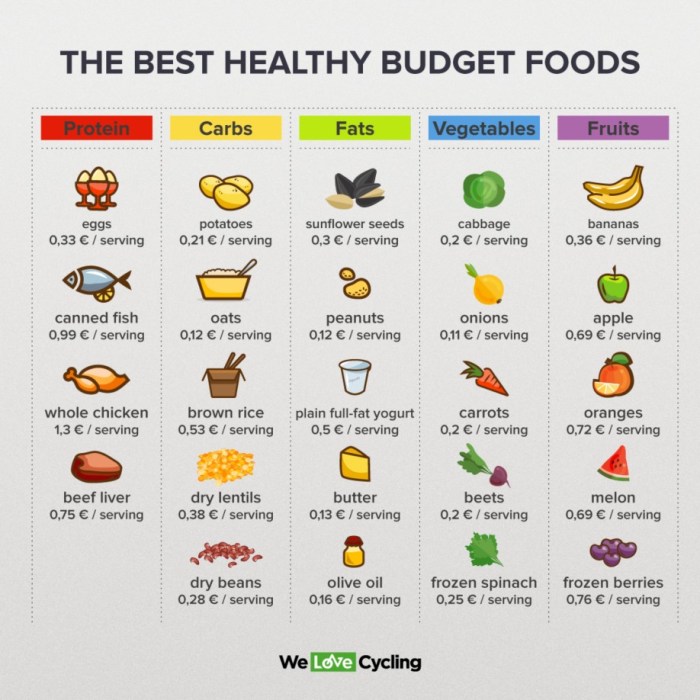
- 1 kg Dried Lentils ($2): Provides a base for soups and stews.
- 1 kg Dried Beans (e.g., kidney or black beans) ($3): Versatile for salads, dips, and side dishes.
- 1 block Firm Tofu ($3): A good source of protein for stir-fries and scrambles.
- 1 large Onion ($0.50): A staple in many dishes.
- 2 cloves Garlic ($0.25): Adds flavor to various recipes.
- 1 bag Potatoes ($2): A cheap and filling carbohydrate source.
- 1 bag Carrots ($1): Adds sweetness and nutrients to meals.
- 1 head of Cabbage ($1.50): Versatile for coleslaw, stir-fries, or soups.
- 1 can diced Tomatoes ($1): Adds flavor and nutrients to sauces and stews.
- 1 loaf Whole Wheat Bread ($2): A healthy and affordable carbohydrate option.
- Oats (if not already in pantry) ($3): Versatile for breakfast porridge or baking.
- Spices (if not already in pantry) ($2): Essential for flavor enhancement (e.g., cumin, chili powder, turmeric).
Sample Meal Plan:
- Monday: Lentil Soup (lentils, onion, carrots, diced tomatoes, spices)
- Tuesday: Black Bean Burgers (mashed black beans, onion, breadcrumbs, spices) on whole wheat bread.
- Wednesday: Tofu Scramble (crumbled tofu, onion, potatoes, spices)
- Thursday: Lentil and Vegetable Curry (lentils, onion, potatoes, carrots, cabbage, diced tomatoes, curry powder).
- Friday: Potato and Cabbage Stir-fry (potatoes, cabbage, onion, garlic, soy sauce).
- Saturday: Oatmeal with fruit (if available, otherwise, more potatoes).
- Sunday: Leftovers or repeat a favorite meal from the week.
Cost-Effectiveness of Vegan Protein Sources, How to eat healthy on a tight budget
Different vegan protein sources offer varying levels of affordability and nutritional value. Generally, dried beans and lentils are the most economical options, followed by tofu and tempeh.
Comparison:
| Protein Source | Approximate Cost per Serving | Protein Content per Serving |
|---|---|---|
| Dried Lentils | $0.25 – $0.50 | ~8g |
| Dried Beans | $0.25 – $0.50 | ~7g |
| Tofu | $1 – $2 | ~10g |
| Tempeh | $2 – $3 | ~15g |
Note: These prices are estimates and can fluctuate. Buying in bulk often reduces the cost per serving.
Maintaining a Balanced Vegetarian Diet on a Tight Budget
Nutrient deficiencies can be a concern on a restrictive budget, especially for vegetarians. Careful planning is crucial to ensure adequate intake of iron, calcium, vitamin B12, and omega-3 fatty acids.
Addressing Nutrient Deficiencies:
- Iron: Consume iron-rich foods like lentils, beans, spinach, and fortified cereals. Pair them with vitamin C-rich foods (like citrus fruits) to enhance iron absorption.
- Calcium: Include calcium-set tofu, leafy green vegetables, fortified plant milks, and almonds in your diet.
- Vitamin B12: Consider a B12 supplement, as it’s not readily available in plant-based foods. Fortified nutritional yeast is another option.
- Omega-3 Fatty Acids: Include flaxseeds, chia seeds, and walnuts in your diet. These provide ALA, an omega-3 fatty acid, though not as efficiently converted to EPA and DHA as those found in fish.
Affordability Strategies:
- Buy in bulk: Dried beans, lentils, and grains are significantly cheaper when purchased in larger quantities.
- Plan your meals: Reduce food waste by creating a weekly meal plan and sticking to it.
- Cook at home: Eating out is significantly more expensive than cooking at home.
- Utilize seasonal produce: Fruits and vegetables are cheaper when they’re in season.
- Grow your own food (if possible): Even a small herb garden or a few tomato plants can save money.
Keto and Low-Carb Diets on a Budget
Embracing a ketogenic or low-carb diet doesn’t necessitate a hefty price tag. With careful planning and a focus on affordable ingredients, it’s entirely possible to enjoy the benefits of this dietary approach without breaking the bank. This section will explore budget-friendly keto recipes, address common misconceptions about the diet’s cost, and compare the expense of keto versus a standard diet.
Budget-Friendly Keto Recipes
Creating delicious and satisfying keto meals on a budget is achievable by prioritizing inexpensive, nutrient-dense ingredients. The following recipes demonstrate how to maximize satiety while minimizing cost. Note that nutritional information is approximate and can vary based on specific ingredients and portion sizes.
- Cheesy Cauliflower Rice with Ground Beef: This dish combines the affordability of ground beef and cauliflower with the satisfying richness of cheese. Ingredients include 1 lb ground beef, 1 large head of cauliflower (riced), 1 cup shredded cheddar cheese, 1/2 onion (chopped), spices (salt, pepper, garlic powder). Instructions: Sauté onion, add ground beef and cook until browned. Add riced cauliflower and spices, cook until tender.
Stir in cheese until melted. Approximate Nutritional Information (per serving): Calories: 350-400, Fat: 25-30g, Protein: 25-30g, Carbs: 5-7g.
- Zucchini Noodles with Tuna and Pesto: This recipe uses zucchini as a low-carb alternative to pasta, paired with budget-friendly tuna and pesto. Ingredients include 2 medium zucchini (spiralized), 2 cans tuna in water, 1/4 cup pesto, salt, pepper. Instructions: Spiralize zucchini. Mix zucchini noodles with tuna and pesto. Season with salt and pepper.
Approximate Nutritional Information (per serving): Calories: 200-250, Fat: 15-20g, Protein: 20-25g, Carbs: 5-7g.
- Chicken and Broccoli Stir-Fry with Coconut Aminos: This vibrant stir-fry is packed with protein and vegetables, utilizing affordable chicken and broccoli. Ingredients include 1 lb boneless, skinless chicken breasts (diced), 1 head of broccoli (chopped), 1/4 cup coconut aminos, 2 tbsp olive oil, garlic powder, ginger powder. Instructions: Stir-fry chicken until cooked through. Add broccoli and cook until tender-crisp. Toss with coconut aminos and spices.
Approximate Nutritional Information (per serving): Calories: 300-350, Fat: 15-20g, Protein: 30-35g, Carbs: 5-7g.
Misconceptions about the Cost of Keto Diets
Many believe ketogenic diets are inherently expensive. However, this is often a misconception.
- Misconception 1: Keto requires expensive specialty products. Counterargument: While some keto-friendly products can be pricey, the foundation of a keto diet relies on affordable whole foods like meat, eggs, vegetables, and healthy fats. Focusing on these staples significantly reduces costs.
- Misconception 2: Keto necessitates eating large amounts of meat and seafood. Counterargument: While meat and seafood are important sources of protein and fat on a keto diet, incorporating plenty of affordable vegetables, eggs, and even nuts and seeds can help diversify the diet and keep costs down.
- Misconception 3: Keto is unsustainable due to the high cost of ingredients. Counterargument: Strategic meal planning and purchasing in bulk can mitigate costs. Planning meals around sales and seasonal produce can also significantly reduce expenses. A well-planned keto diet can be comparable in cost to a standard diet, if not cheaper.
Cost Comparison: Keto vs. Standard Diet
The following table provides a sample week’s worth of meal plans for both a ketogenic and a standard diet, highlighting potential cost differences. Prices are estimates and can vary based on location and grocery store.
| Meal | Keto Meal Plan (Estimated Cost) | Standard Meal Plan (Estimated Cost) |
|---|---|---|
| Monday | Ground Beef and Cauliflower Rice ($5) | Pasta with Marinara Sauce ($4) |
| Tuesday | Chicken and Broccoli Stir-fry ($6) | Chicken Breast with Rice and Vegetables ($6) |
| Wednesday | Zucchini Noodles with Tuna ($4) | Sandwiches with Potato Chips ($5) |
| Thursday | Eggs with Avocado and Bacon ($5) | Oatmeal with Fruit ($3) |
| Friday | Salmon with Asparagus ($8) | Pizza ($8) |
| Saturday | Steak with Salad ($10) | Burgers and Fries ($9) |
| Sunday | Chicken Salad with Celery and Mayonnaise ($6) | Roast Chicken with Potatoes and Carrots ($7) |
| Total Weekly Cost | $44 | $42 |
Intermittent Fasting Guides and Budget-Friendly Eating
Intermittent fasting (IF), a dietary pattern that cycles between periods of eating and voluntary fasting on a regular schedule, can be a surprisingly effective tool for managing food costs. By strategically scheduling your eating windows, you naturally reduce the number of meals you prepare and consume, leading to significant savings on groceries. This approach is particularly beneficial for those on a tight budget who want to maintain a healthy diet.Intermittent fasting’s impact on grocery bills is primarily due to the reduction in the frequency of meals.
Fewer meals mean less food needs to be purchased, stored, and potentially wasted. This reduction in food consumption can translate to substantial savings over time, especially when combined with careful meal planning and a focus on affordable, nutrient-dense foods.
Tips for Budget-Friendly Intermittent Fasting
Implementing intermittent fasting effectively while sticking to a budget requires mindful planning. The following tips highlight key strategies to maximize savings and nutritional value.
- Prioritize Whole Foods: Focus your grocery shopping on inexpensive, nutrient-rich staples such as whole grains (brown rice, oats), legumes (beans, lentils), seasonal fruits and vegetables, and lean protein sources (chicken thighs, canned tuna). These foods provide substantial nutritional value for a lower cost than processed foods.
- Meal Prep During Your Eating Window: Prepare large batches of meals during your eating window. This minimizes food waste and reduces the temptation to snack outside your eating window. For instance, preparing a large batch of lentil soup can provide several meals throughout your eating period.
- Minimize Snacking: Snacking is a major contributor to increased food costs. Sticking strictly to your eating window and avoiding unplanned snacking significantly reduces grocery expenses. If you feel hungry outside your eating window, consider drinking water or unsweetened tea.
- Plan Your Eating Window Around Sales and Deals: Check weekly grocery store flyers and plan your meals around discounted items. This helps you save money while ensuring you have enough food for your eating window. For example, if chicken is on sale, plan your meals to include chicken for the week.
- Utilize Leftovers: Avoid food waste by repurposing leftovers into new meals. This strategy is particularly effective for larger batch cooking within your eating window. Leftover roasted chicken can be used in salads or soups the following day, for example.
Intermittent Fasting and Reduced Grocery Costs
The direct correlation between intermittent fasting and lower grocery costs stems from the reduction in the number of meals consumed. Instead of purchasing ingredients for three meals a day, plus snacks, you’re essentially purchasing for fewer meals, therefore decreasing overall food expenditure. For example, someone eating three meals a day and several snacks might spend $50 a week on groceries.
By implementing a 16/8 intermittent fasting plan (16 hours fasting, 8 hours eating window), that same individual might find they only need to purchase groceries for two substantial meals, potentially reducing their weekly grocery bill to $30 or less, depending on their meal choices.
Benefits and Drawbacks of Combining Intermittent Fasting with a Budget-Conscious Diet
Combining intermittent fasting with a budget-conscious diet offers numerous potential benefits, including weight management, improved metabolic health, and significant cost savings. However, potential drawbacks include increased hunger initially, potential nutrient deficiencies if not planned carefully, and difficulty maintaining the fasting schedule for some individuals. Careful meal planning and choosing nutrient-dense foods are essential to mitigate the risks and maximize the benefits of this approach.
Nutrition for Athletes on a Budget
Maintaining optimal nutrition as an athlete can be challenging, especially when working with a limited budget. However, with careful planning and smart choices, it’s entirely possible to fuel your body effectively without breaking the bank. This section will explore strategies and resources to support athletic performance on a budget.
Sample Weekly Meal Plan for an Athlete on a Limited Budget
This meal plan provides a balance of protein and carbohydrates crucial for athletic recovery and performance. It prioritizes affordable, readily available ingredients. Remember to adjust portion sizes based on your individual needs and activity level.
| Day | Breakfast | Lunch | Dinner | Snacks |
|---|---|---|---|---|
| Monday | Oatmeal with banana and peanut butter | Chicken salad sandwich on whole-wheat bread with a side salad | Lentil soup with whole-wheat bread | Greek yogurt, apple slices |
| Tuesday | Scrambled eggs with whole-wheat toast | Leftover lentil soup | Chicken stir-fry with brown rice | Trail mix (nuts, seeds, dried fruit) |
| Wednesday | Peanut butter and banana sandwich on whole-wheat bread | Tuna salad sandwich on whole-wheat bread with a side of carrots | Black bean burgers on whole-wheat buns with a side salad | Hard-boiled eggs |
| Thursday | Oatmeal with berries and nuts | Leftover black bean burgers | Chicken and vegetable skewers with quinoa | Greek yogurt, banana |
| Friday | Scrambled eggs with vegetables and whole-wheat toast | Leftover chicken and vegetable skewers | Pasta with marinara sauce and meatballs (lean ground turkey) | Apple slices with peanut butter |
| Saturday | Pancakes (whole-wheat flour) with fruit | Large salad with chickpeas and grilled chicken | Baked chicken breast with roasted sweet potatoes and broccoli | Trail mix |
| Sunday | Omelette with vegetables and cheese | Leftover baked chicken and vegetables | Lentil stew with whole-wheat bread | Greek yogurt, berries |
Five Affordable and Nutrient-Rich Foods for Athletes
Prioritizing affordable, nutrient-dense foods is key to maximizing your nutritional intake on a budget. These foods provide essential macronutrients and micronutrients crucial for athletic performance and recovery.
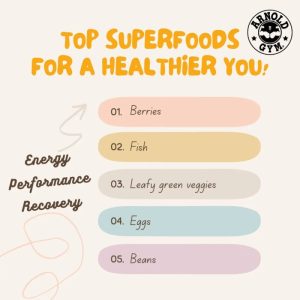
- Eggs: An excellent source of protein and essential amino acids, crucial for muscle repair and growth. Eggs are also a good source of choline, important for brain function.
- Chicken Breast: A lean protein source, providing essential amino acids for muscle building and repair. Chicken is relatively inexpensive compared to other protein sources like beef or fish.
- Oats: A complex carbohydrate providing sustained energy throughout training and competition. Oats are also a good source of fiber, promoting digestive health.
- Lentils: A great source of plant-based protein and fiber. Lentils are also rich in iron and other essential minerals. They are a very budget-friendly option.
- Sweet Potatoes: A complex carbohydrate providing sustained energy. Sweet potatoes are also rich in vitamins and minerals, including vitamin A and potassium.
Strategies for Maximizing Nutrient Intake on a Budget for Athletes
Several strategies can help athletes maximize nutrient intake without exceeding their budget. Careful planning and resourcefulness are key.
Planning meals ahead of time and creating a shopping list based on those plans will prevent impulse purchases and reduce food waste. Buying in bulk when possible (for non-perishable items) can often reduce costs per unit. Taking advantage of seasonal produce, which is usually cheaper, is another great way to save money and still get vital vitamins and minerals.
Preparing meals at home rather than eating out significantly reduces costs and allows for greater control over ingredients and portion sizes. Finally, utilizing leftovers creatively can minimize food waste and reduce the overall cost of your meals.
Gut Health and Nutrition on a Budget
Maintaining a healthy gut doesn’t require a hefty grocery bill. A diverse diet rich in prebiotics and probiotics, even on a tight budget, significantly impacts your overall well-being. This section will explore affordable ways to nourish your gut microbiome and improve your health.
Gut health is intrinsically linked to overall health. A thriving gut microbiome, populated by a diverse range of beneficial bacteria, aids digestion, boosts immunity, influences mood, and even plays a role in weight management. A balanced diet, even on a limited budget, is key to cultivating this diverse microbiome. Ignoring gut health can lead to various problems, including digestive issues, weakened immunity, and even chronic diseases.
Prioritizing affordable gut-friendly foods is an investment in your long-term well-being.
Affordable Foods That Promote Gut Health
Several inexpensive foods offer a wealth of prebiotics (feeding the good bacteria) and probiotics (the good bacteria themselves). Incorporating these into your diet can significantly improve your gut health without breaking the bank.
- Bananas: Rich in prebiotic fiber, bananas are readily available and affordable. Their soluble fiber acts as food for beneficial gut bacteria, promoting a healthy gut environment.
- Oats: Oats are a versatile and budget-friendly source of beta-glucan, a soluble fiber that feeds beneficial gut bacteria. They can be incorporated into breakfast porridge, added to baked goods, or used as a thickening agent in soups.
- Lentils: These legumes are packed with both prebiotic fiber and resistant starch, a type of carbohydrate that escapes digestion in the small intestine and ferments in the colon, benefiting gut bacteria. Lentils are incredibly versatile and can be used in soups, stews, or salads.
- Kefir (homemade): While store-bought kefir can be expensive, making it at home is significantly cheaper. Kefir grains, the starter culture, can be purchased once and reused repeatedly, producing a fermented milk drink brimming with probiotics. This reduces the long-term cost significantly.
- Sauerkraut (homemade): Similar to kefir, homemade sauerkraut is a far more economical option than store-bought. It’s a fermented cabbage dish rich in probiotics and beneficial for gut health. The initial investment in cabbage is minimal, and the process is relatively simple.
Simple and Affordable Gut-Health Supporting Recipes
These recipes highlight the versatility and affordability of gut-friendly ingredients. They are easy to adapt to your preferences and available ingredients.
- Lentil Soup: This hearty soup is packed with gut-friendly fiber from lentils and vegetables. A basic recipe might include brown or green lentils, carrots, celery, onions, vegetable broth, and simple seasonings. It’s inexpensive to make in large batches, providing several meals.
- Overnight Oats: Combine rolled oats, your choice of milk (dairy or non-dairy), chia seeds (optional, adds extra fiber and omega-3s), and a touch of sweetness (honey or maple syrup, optional). Let it sit overnight in the refrigerator for a quick and nutritious breakfast full of prebiotic fiber.
- Homemade Kefir Smoothie: Blend homemade kefir with frozen berries (a cost-effective way to get antioxidants and additional nutrients), a banana, and a handful of spinach for a probiotic-rich and refreshing smoothie.
Eating for Energy and Focus on a Budget
Maintaining consistent energy and focus throughout the day is crucial for productivity and overall well-being. However, achieving this while sticking to a tight budget can seem challenging. This section explores the connection between diet, energy levels, and cognitive function, and provides practical strategies and affordable recipes to help you fuel your body and mind effectively. The key is to prioritize nutrient-dense foods that provide sustained energy release, avoiding the sugar crashes associated with processed foods.The relationship between diet, energy levels, and cognitive function is complex but well-established.
Our brains rely heavily on glucose for fuel, but the type of carbohydrates we consume significantly impacts energy levels and mental clarity. Refined carbohydrates, like white bread and sugary drinks, lead to rapid spikes and crashes in blood sugar, resulting in fatigue and poor concentration. In contrast, complex carbohydrates, such as whole grains and legumes, provide a more gradual and sustained release of energy, promoting stable blood sugar levels and improved cognitive function.
Similarly, adequate protein intake is vital for sustained energy, as it supports the production of neurotransmitters essential for focus and concentration. Finally, essential fatty acids, found in foods like nuts and seeds, play a critical role in brain health and cognitive function. Prioritizing these nutrient-rich, yet affordable, foods is key to optimizing energy and focus without breaking the bank.
Affordable Recipes for Sustained Energy and Focus
The following recipes emphasize whole grains, lean protein, and healthy fats to provide sustained energy and improve focus. These recipes are designed to be budget-friendly and easily adaptable to your preferences.
- Oatmeal with Berries and Nuts: A classic breakfast option. Combine 1/2 cup rolled oats with 1 cup water or milk (dairy or plant-based). Cook according to package directions. Top with a handful of berries (frozen are more affordable) and a tablespoon of chopped nuts (almonds, walnuts, or pecans) for added protein and healthy fats. This provides sustained energy due to the complex carbohydrates in oats and the protein and healthy fats from the nuts and berries.
- Lentil Soup: Lentils are an incredibly affordable source of protein and fiber. Combine 1 cup lentils, 4 cups vegetable broth, 1 chopped onion, 2 carrots, and 2 celery stalks. Simmer until lentils are tender. Season with herbs and spices to taste. This hearty soup is packed with nutrients and provides sustained energy throughout the day.
- Chickpea Salad Sandwich: Mashed chickpeas offer a budget-friendly alternative to tuna or chicken salad. Mash 1 can of chickpeas with 2 tablespoons of mayonnaise (or Greek yogurt for a healthier option), chopped celery, onion, and seasonings. Serve on whole-wheat bread for added fiber. This sandwich provides protein and fiber for sustained energy.
- Brown Rice Bowl with Black Beans and Avocado: Combine cooked brown rice with black beans, chopped avocado, and your favorite salsa or hot sauce. Brown rice provides complex carbohydrates, black beans are a great source of protein and fiber, and avocado adds healthy fats. This is a highly nutritious and satisfying meal.
- Tuna Salad Lettuce Wraps: For a lower-carb option, skip the bread and use lettuce leaves as wraps for your tuna salad. Mix canned tuna with Greek yogurt, chopped celery, and seasonings. This provides a protein-packed meal with fewer carbohydrates than a traditional sandwich.
Creating Affordable and Energizing Snacks and Meals
Planning ahead is crucial for maintaining healthy eating habits on a budget. Batch cooking and meal prepping can save time and money, reducing the temptation to reach for less healthy, more expensive convenience foods.
- Batch Cooking: Prepare large quantities of grains, legumes, and vegetables on the weekend to use throughout the week in various meals and snacks.
- Smart Snacking: Keep affordable and energizing snacks on hand, such as fruits (apples, bananas, oranges), vegetables (carrots, celery), nuts, seeds, and hard-boiled eggs.
- Utilizing Leftovers: Repurpose leftovers into new meals. For example, leftover roasted chicken can be used in salads or soups.
- Seasonal Produce: Buy fruits and vegetables that are in season; they are generally cheaper and more flavorful.
- Planning Weekly Menus: Create a weekly menu plan to ensure you’re buying only what you need and minimizing food waste.
Weight Management Diets on a Budget: How To Eat Healthy On A Tight Budget
Achieving a healthy weight doesn’t require expensive fad diets. Many effective weight-loss strategies are entirely compatible with a tight budget, focusing on smart food choices and lifestyle adjustments rather than costly supplements or pre-packaged meals. This section explores affordable weight management approaches, providing practical examples and guidance.
Sample Weight-Loss Meal Plan (1500 Calories)
This sample meal plan provides approximately 1500 calories per day, a common starting point for weight loss, though individual needs vary. It emphasizes whole, unprocessed foods and is designed to be budget-friendly. Calorie and macronutrient counts are estimates and may vary based on specific ingredients and portion sizes. Consult a nutritionist or dietitian for personalized dietary advice.
| Meal | Description | Approximate Calories | Approximate Macronutrients (g) |
|---|---|---|---|
| Breakfast | Oatmeal (1/2 cup dry) with berries (1/2 cup) and a sprinkle of nuts (1/4 cup) | 350 | Carbs: 50, Protein: 10, Fat: 15 |
| Lunch | Large salad with mixed greens, chickpeas (1/2 cup), chopped cucumber and tomato, and a light vinaigrette dressing. | 400 | Carbs: 40, Protein: 15, Fat: 10 |
| Dinner | Lentil soup (1.5 cups) with a side of whole-wheat bread (1 slice). | 450 | Carbs: 60, Protein: 20, Fat: 5 |
| Snacks (2) | Apple with peanut butter (2 tablespoons) and a handful of almonds (1/4 cup) | 300 | Carbs: 30, Protein: 15, Fat: 20 |
Comparison of Weight-Loss Approaches
Calorie restriction, intermittent fasting, and portion control are all effective weight-loss methods, each with varying costs and levels of difficulty. Calorie restriction, focusing on consuming fewer calories than you burn, is generally the most straightforward and affordable, requiring primarily mindful food choices. Intermittent fasting, involving cycling between periods of eating and fasting, can be cost-effective as it doesn’t necessitate purchasing special foods.
However, it requires significant lifestyle adjustments and may not be suitable for everyone. Portion control, focusing on eating smaller portions of healthy foods, is also budget-friendly and can be easily integrated into existing eating habits. The most effective approach depends on individual preferences, health conditions, and lifestyle.
Tips for Avoiding Processed Foods and Unhealthy Snacks on a Budget
Planning ahead is crucial for avoiding impulse purchases of expensive, unhealthy snacks.
- Plan your meals: Creating a weekly meal plan helps you stick to your budget and avoid spontaneous unhealthy food choices.
- Shop the perimeter of the grocery store: Fresh produce, lean proteins, and whole grains are typically found on the outer aisles, while processed foods are usually located in the inner aisles.
- Cook at home more often: Cooking at home is significantly cheaper than eating out or relying on processed convenience foods.
- Buy in bulk (when appropriate): Purchasing staples like rice, beans, and oats in bulk can significantly reduce costs.
- Utilize leftovers: Repurpose leftovers into new meals to minimize food waste and save money.
- Grow your own herbs and vegetables: Even a small herb garden or a few tomato plants can reduce grocery bills.
- Limit sugary drinks: Sugary sodas and juices are expensive and contribute to weight gain. Opt for water, unsweetened tea, or infused water instead.
Ultimately, healthy eating on a budget is less about restriction and more about resourcefulness. By implementing the strategies Artikeld in this guide—from meticulous meal planning and savvy grocery shopping to creative recipe adaptations and mindful cooking techniques—you can transform your relationship with food and achieve your nutritional goals without compromising your financial well-being. Remember, nourishing your body is an investment in your health and happiness, and it’s entirely possible to achieve this even with limited resources.
FAQ Resource
Can I still eat out occasionally on a tight budget?
Yes, but plan for it! Limit restaurant meals to special occasions and opt for cheaper options like lunch specials or take-out from budget-friendly establishments.
How can I involve my family in budget-friendly healthy eating?
Get them involved in meal planning and grocery shopping. Let them choose recipes or help prepare meals. This fosters a sense of ownership and makes healthy eating a family affair.
What if I don’t have time to cook elaborate meals?
Focus on simple, quick recipes. Prepare meals in bulk for the week, or utilize slow cookers or Instant Pots for easy, hands-off cooking.
Are there any free resources to help with budget-friendly meal planning?
Yes, many websites and apps offer free meal planning tools and budget-friendly recipe ideas. Check out government websites or reputable food blogs for options.