How Gut Health Affects Mood
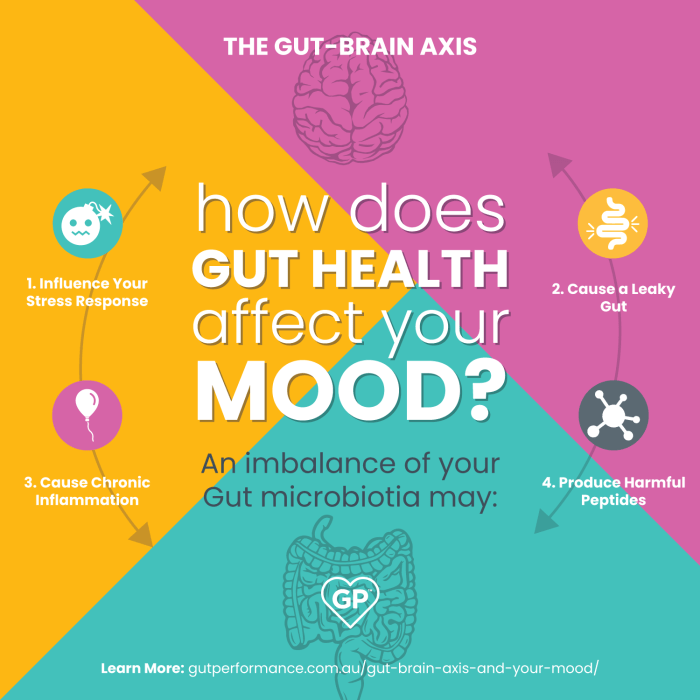
How gut health affects mood is a fascinating area of research revealing a complex interplay between our digestive system and mental well-being. The gut-brain axis, a bidirectional communication pathway, highlights the profound influence of gut microbiota on brain function and emotional state. Understanding this connection opens doors to innovative approaches for improving both physical and mental health.
This intricate relationship involves neurotransmitters like serotonin and dopamine, crucial for mood regulation, which are significantly produced within the gut. An imbalance in gut bacteria, or dysbiosis, can disrupt this delicate balance, potentially contributing to conditions like anxiety and depression. This exploration delves into the mechanisms behind this connection, exploring dietary strategies, lifestyle modifications, and supplementary approaches to optimize gut health and positively impact mood.
The Gut-Brain Axis
The gut and the brain are intricately connected through a complex communication network known as the gut-brain axis (GBA). This bidirectional pathway involves the nervous system, endocrine system, and immune system, allowing for constant exchange of signals that significantly influence both physical and mental health. Understanding this intricate relationship is crucial for comprehending the profound impact gut health has on mood and cognitive function.The bidirectional communication between the gut and the brain relies on several pathways.
Neural pathways, primarily through the vagus nerve, transmit signals rapidly, allowing for immediate responses. Hormonal pathways involve the release of various hormones and neurotransmitters from the gut that travel through the bloodstream to influence brain activity. Finally, immune pathways involve the gut’s immune system interacting with the brain’s immune system, influencing inflammation and overall brain function. This complex interplay highlights the interconnectedness of these two seemingly disparate systems.
Neurotransmitter Roles in the Gut-Brain Axis
Serotonin and dopamine, two key neurotransmitters impacting mood and cognition, are significantly produced in the gut. Approximately 90% of the body’s serotonin is synthesized by gut microbiota in the enterochromaffin cells lining the gastrointestinal tract. This gut-derived serotonin influences mood, sleep, appetite, and cognitive function. Similarly, the gut plays a role in dopamine production, a neurotransmitter essential for reward, motivation, and motor control.
Imbalances in gut microbiota can alter the production and availability of these crucial neurotransmitters, potentially leading to mood disorders and cognitive impairment. For example, studies have shown a correlation between low serotonin levels and depression, and a link between gut dysbiosis and Parkinson’s disease, a condition linked to dopamine deficiency.
Impact of Gut Microbiota Imbalance on Brain Function
Gut microbiota, the vast community of microorganisms residing in the gut, plays a crucial role in maintaining the GBA’s homeostasis. An imbalance in this microbiota, known as dysbiosis, can disrupt the communication pathways between the gut and the brain. Dysbiosis can lead to increased intestinal permeability (“leaky gut”), allowing harmful substances to enter the bloodstream and trigger inflammation throughout the body, including the brain.
This inflammation can negatively impact brain function, leading to various neurological and psychiatric disorders. For instance, studies have linked gut dysbiosis to conditions such as anxiety, depression, autism spectrum disorder, and Alzheimer’s disease.
Gut Inflammation’s Effects on Mood and Cognitive Function, How gut health affects mood
Chronic gut inflammation, often stemming from dysbiosis or inflammatory bowel diseases (IBD) like Crohn’s disease and ulcerative colitis, can directly affect brain function and mood. Inflammation triggers the release of pro-inflammatory cytokines, which can cross the blood-brain barrier and disrupt neuronal signaling. This inflammatory response can lead to symptoms such as fatigue, brain fog, difficulty concentrating, irritability, and mood swings.
Furthermore, chronic inflammation can contribute to the development or exacerbation of neurodegenerative diseases and mental health disorders. For example, individuals with IBD often report higher rates of depression and anxiety compared to the general population. The inflammatory response associated with IBD can impair cognitive function, impacting memory and executive functions.
Specific Gut Microbiome Influences on Mood
The gut microbiome, a complex community of bacteria, fungi, and viruses residing in our digestive tract, plays a significant role in shaping our mental well-being. The intricate interplay between these microorganisms and the brain, known as the gut-brain axis, is increasingly recognized as a crucial factor influencing mood regulation and susceptibility to mood disorders. Understanding the specific roles of different gut bacterial species is essential for developing targeted interventions to improve mental health.
Specific Bacterial Species and Mood Disorders
Research indicates a correlation between the composition of the gut microbiome and the prevalence of mood disorders like anxiety and depression. For example, lower abundances of
- Bifidobacterium* and
- Lactobacillus* species, often associated with beneficial effects on gut health, have been observed in individuals with depression. Conversely, higher levels of certain
- Bacteroides* and
- Ruminococcus* species have been linked to increased anxiety and depressive symptoms. It’s important to note that these associations are complex and likely influenced by other factors, including genetics, diet, and lifestyle. Further research is needed to establish definitive causal relationships.
Probiotics and Prebiotics in Mood Modulation
Probiotics, live microorganisms with potential health benefits, and prebiotics, substances that promote the growth of beneficial bacteria, are increasingly investigated for their impact on mood. Several studies suggest that supplementing with specific probiotic strains, such as
- Lactobacillus rhamnosus* JB-1 and
- Bifidobacterium longum* 1714, can lead to reductions in anxiety and depression scores. This effect is believed to be mediated through various mechanisms, including the production of neurotransmitters like GABA and serotonin, as well as the modulation of inflammation in the gut. Prebiotics, by providing nourishment for beneficial bacteria, indirectly support a healthier gut microbiome, potentially contributing to improved mental well-being.
However, the efficacy of probiotic and prebiotic interventions varies depending on the specific strain, dosage, and individual characteristics.
Impact of Gut Dysbiosis on Anxiety and Depression
Gut dysbiosis, an imbalance in the gut microbiota composition, is increasingly implicated in the development and progression of anxiety and depression. A disrupted gut microbiome can lead to increased intestinal permeability (“leaky gut”), allowing harmful substances to enter the bloodstream and trigger inflammation throughout the body, including the brain. Chronic inflammation is known to contribute to various mental health issues.
Moreover, dysbiosis can affect the production and availability of neurotransmitters crucial for mood regulation, further exacerbating symptoms of anxiety and depression. Restoring microbial balance through dietary interventions, probiotics, prebiotics, or fecal microbiota transplantation (FMT) may offer therapeutic potential in managing these conditions.
Comparative Effects of Gut Bacteria on Mental Well-being
Different types of gut bacteria exert diverse effects on mental well-being. For instance,
- Akkermansia muciniphila*, a bacterium known for its anti-inflammatory properties, has shown promising results in animal models of depression and anxiety. Conversely, certain species of
- Clostridium* have been associated with increased inflammation and negative mood outcomes. The overall impact of the gut microbiota on mental health depends on the intricate interplay between numerous bacterial species and their metabolic activities. A diverse and balanced gut microbiome, characterized by a high abundance of beneficial bacteria, is generally associated with improved mental well-being, while a dysbiotic state often contributes to negative mental health outcomes.
This highlights the importance of maintaining a healthy gut microbiome through a balanced diet, lifestyle choices, and potentially targeted interventions.
Dietary Strategies for Optimizing Gut Health and Mood: How Gut Health Affects Mood
A balanced diet plays a crucial role in fostering a healthy gut microbiome, which in turn significantly impacts mood and mental well-being. By incorporating specific foods and avoiding others, we can directly influence the composition and function of our gut bacteria, promoting a positive feedback loop between gut and brain. This section will explore dietary strategies to achieve this.
Sample Meal Plan for Gut Health and Mood
The following meal plan provides a balanced approach to nourishing both your gut and your mind. Remember that individual needs vary, and consulting a registered dietitian or nutritionist is recommended for personalized dietary advice. This plan emphasizes whole, unprocessed foods rich in fiber, prebiotics, and probiotics.
Day 1:
Breakfast: Overnight oats with berries, chia seeds, and a dollop of plain yogurt.
Lunch: Lentil soup with a side salad containing leafy greens and avocado.
Dinner: Baked salmon with roasted vegetables (broccoli, sweet potatoes, Brussels sprouts).
Snacks: A handful of almonds, a piece of fruit (apple, banana), or a small serving of Greek yogurt.
Day 2:
Breakfast: Smoothie with spinach, banana, almond milk, and protein powder.
Lunch: Quinoa salad with chickpeas, cucumber, tomatoes, and a lemon vinaigrette.
Dinner: Vegetarian chili with brown rice.
Snacks: Apple slices with peanut butter, a small bowl of berries.
Benefits of Specific Foods for Gut Health and Mental Well-being
The table below highlights the key benefits of various food groups for both gut and mental health.
| Food Group | Gut Health Benefits | Mental Well-being Benefits |
|---|---|---|
| Fermented Foods (yogurt, kefir, sauerkraut) | Introduce beneficial bacteria (probiotics), improve gut barrier function. | May reduce symptoms of anxiety and depression; support immune function, indirectly impacting mood. |
| Fiber-Rich Foods (whole grains, fruits, vegetables, legumes) | Feed beneficial bacteria (prebiotics), promote regular bowel movements, improve gut diversity. | Contribute to overall health and well-being, reducing inflammation which can negatively affect mood. |
| Omega-3 Fatty Acids (fatty fish, flaxseeds, chia seeds) | Reduce inflammation in the gut. | Support brain health, reduce risk of depression and anxiety. |
Healthy Recipes for Improved Gut Health and Mood
Incorporating these foods into delicious and easy-to-make recipes can significantly improve gut health and positively influence mood.
Vegan/Vegetarian:
Lentil Soup: Sauté onions, carrots, and celery. Add lentils, vegetable broth, diced tomatoes, and spices (cumin, turmeric). Simmer until lentils are tender. This recipe is rich in fiber and plant-based protein, promoting gut health and satiety.
Keto/Low-Carb:
Cauliflower Rice Stir-fry: Use riced cauliflower as a base. Add sauteed vegetables (broccoli, peppers, onions), shrimp or chicken (optional), and a coconut aminos based sauce. This provides fiber from the vegetables and healthy fats from the coconut aminos, supporting gut health within a low-carb framework. The protein source offers satiety and contributes to stable blood sugar levels, further enhancing mood.
Cooking Tips for Optimizing Gut Health
Prioritize minimally processed foods. Steaming, baking, or grilling are healthier cooking methods than frying. Incorporate a variety of colorful fruits and vegetables to ensure a diverse range of nutrients and beneficial compounds. Experiment with different spices like turmeric and ginger, known for their anti-inflammatory properties. Hydration is crucial for gut health; drink plenty of water throughout the day.
The Role of Supplements and Superfoods
The connection between gut health and mood is increasingly recognized, leading many to explore supplements and superfoods to enhance their well-being. While these can offer potential benefits, it’s crucial to understand their limitations and potential interactions with existing health conditions or medications. A balanced approach incorporating a diverse diet, regular exercise, and stress management remains paramount.The use of supplements and superfoods to improve gut health and mood is a burgeoning field, with ongoing research continuously revealing new insights into their mechanisms of action and efficacy.
However, it’s essential to approach their use with a degree of caution and informed understanding. Not all supplements are created equal, and individual responses can vary significantly.
Probiotics and Omega-3 Fatty Acids: Benefits and Limitations
Probiotics, live microorganisms that confer a health benefit when administered in adequate amounts, and omega-3 fatty acids, essential polyunsaturated fats, are frequently touted for their positive impact on gut health and mental well-being. Probiotics can help restore the balance of gut microbiota, potentially reducing inflammation and improving symptoms of anxiety and depression in some individuals. Omega-3 fatty acids, particularly EPA and DHA, possess anti-inflammatory properties and have been linked to improved mood regulation.
However, the effectiveness of probiotics can vary depending on the strain, dosage, and individual gut microbiome composition. Similarly, the benefits of omega-3 fatty acids are often observed with consistent consumption over a period of time, and individual responses may differ. Moreover, excessive intake of certain supplements can lead to adverse effects, highlighting the importance of consulting a healthcare professional before starting any new supplement regimen.
Nutritional Value of Superfoods and Their Impact on Gut Microbiota
Superfoods, rich in nutrients and bioactive compounds, can significantly influence the composition and function of the gut microbiota. Berries, for example, are packed with antioxidants that protect against oxidative stress and inflammation, both crucial factors in maintaining gut health. Leafy greens are excellent sources of fiber, which serves as prebiotic food for beneficial gut bacteria. Cruciferous vegetables (broccoli, cauliflower, cabbage) contain compounds that support detoxification processes and promote a healthy gut environment.
The diverse range of phytochemicals found in these foods contributes to a balanced and thriving gut microbiome, indirectly impacting mood regulation and cognitive function. However, it’s important to remember that “superfoods” alone are not a magic bullet; a balanced and varied diet is key to optimal gut health.
Comparing Different Probiotic Strains and Their Effects on Mental Health
Various probiotic strains exhibit different effects on mental health.
- Lactobacillus* and
- Bifidobacterium* genera are commonly studied, with some strains showing promise in reducing symptoms of anxiety and depression. For example,
- Lactobacillus rhamnosus* JB-1 has demonstrated positive effects on stress response in animal models, while
- Bifidobacterium longum* 1714 has shown potential benefits in improving mood in human studies. However, research is still ongoing, and the specific mechanisms through which these probiotics influence mental health are not fully understood. Furthermore, the effectiveness of a particular strain can depend on factors such as the individual’s gut microbiome, dosage, and the duration of supplementation. It is not possible to definitively state that one strain is universally superior to another for mental health benefits.
Superfoods and Supplements: A Categorized List
The following list categorizes superfoods and supplements based on their potential impact on various aspects of gut health and mood. Remember, these are potential benefits, and individual responses may vary. Always consult a healthcare professional before starting any new supplement regimen.
- Improving Gut Barrier Function: Omega-3 fatty acids (EPA & DHA), Glutamine, L-Glutamine
- Boosting Beneficial Bacteria: Prebiotic fibers (inulin, fructooligosaccharides), Probiotics (
-Lactobacillus rhamnosus*,
-Bifidobacterium longum*), Berries (blueberries, strawberries, raspberries) - Reducing Inflammation: Omega-3 fatty acids (EPA & DHA), Turmeric (curcumin), Ginger
- Supporting Neurotransmitter Production: B vitamins (B6, B12, folate), Magnesium, Tryptophan
- Promoting Overall Gut Health: Leafy greens (kale, spinach), Cruciferous vegetables (broccoli, cauliflower), Fermented foods (kimchi, sauerkraut)
Lifestyle Factors and Their Influence
Maintaining a healthy gut microbiome isn’t solely about diet and supplements; lifestyle choices significantly impact both gut health and mental well-being. Stress levels, sleep patterns, and physical activity all play crucial roles in shaping the composition and function of your gut microbiota, ultimately influencing your mood and overall health. Understanding these connections empowers us to make informed lifestyle choices that promote a healthy gut and a happier mind.
Stress Management Techniques and Their Impact
Chronic stress negatively impacts gut health by altering the balance of gut bacteria. This imbalance, known as dysbiosis, can lead to increased intestinal permeability (“leaky gut”), inflammation, and ultimately, mental health issues. Mindfulness practices, such as meditation and yoga, have shown promise in mitigating the negative effects of stress on the gut. Meditation, for example, can activate the parasympathetic nervous system, promoting relaxation and reducing the production of stress hormones like cortisol, which can disrupt gut motility and bacterial composition.
Yoga, with its combination of physical postures, breathing techniques, and meditation, similarly contributes to stress reduction and improved gut health. Studies have shown a correlation between regular yoga practice and improved gut microbiota diversity and reduced symptoms of irritable bowel syndrome (IBS), a condition often linked to stress and gut dysbiosis.
Sleep Quality and Gut Microbiome Composition
The relationship between sleep and gut health is bidirectional. Sufficient, high-quality sleep allows the gut microbiome to repair and regenerate. Conversely, poor sleep disrupts the delicate balance of gut bacteria. Studies have shown that sleep deprivation can lead to changes in gut microbiota composition, increasing the abundance of certain harmful bacteria and reducing beneficial ones. This shift can contribute to inflammation, impaired gut barrier function, and increased susceptibility to gastrointestinal issues, which in turn can negatively impact mood and cognitive function.
For example, individuals with chronic insomnia often report increased symptoms of anxiety and depression, potentially linked to alterations in their gut microbiome due to sleep disturbance.
Regular Exercise and Gut Health
Regular physical activity benefits both physical and mental health, and it also plays a crucial role in maintaining a healthy gut. Exercise promotes gut motility, improves digestion, and increases the diversity of gut bacteria. This increased diversity is associated with a more robust and resilient microbiome, better able to withstand challenges and contribute to overall well-being. Moreover, exercise reduces stress hormones and stimulates the release of endorphins, which have mood-boosting effects.
Studies have linked regular exercise to improved symptoms in conditions like IBS and depression, likely due to its positive influence on both the gut and the brain. For instance, a study published in the journal “Medicine & Science in Sports & Exercise” demonstrated that aerobic exercise increased the abundance of beneficial bacteria in the gut.
Comparison of Lifestyle Factors and Their Effects
| Lifestyle Factor | Effect on Gut Health | Effect on Mood |
|---|---|---|
| Stress Management (Meditation, Yoga) | Reduces stress hormones, improves gut motility, promotes balanced microbiome | Reduces anxiety and depression, improves emotional regulation |
| Sleep Quality (7-9 hours of quality sleep) | Allows microbiome repair and regeneration, maintains balanced composition | Improves cognitive function, reduces irritability and mood swings |
| Regular Exercise (at least 150 minutes moderate-intensity per week) | Increases gut motility, improves digestion, promotes microbiome diversity | Reduces stress, increases endorphins, improves self-esteem and overall well-being |
In conclusion, the evidence strongly suggests a significant link between gut health and mood. By nurturing a thriving gut microbiome through mindful dietary choices, stress management techniques, and lifestyle adjustments, we can positively influence our mental well-being. While further research continues to unravel the intricacies of this gut-brain axis, the potential for improving mental health through targeted gut health interventions is undeniable and presents a promising avenue for holistic well-being.
Answers to Common Questions
Can stress directly impact my gut health?
Yes, chronic stress can disrupt the balance of gut bacteria, leading to inflammation and digestive issues, which in turn can affect mood.
Are all probiotics created equal?
No, different probiotic strains offer varying benefits. Choosing strains with research supporting their impact on mood is crucial.
How long does it take to see improvements in mood after making gut health changes?
Results vary, but many individuals notice improvements within several weeks of consistent dietary and lifestyle changes. Patience and consistency are key.
What if I have a pre-existing mental health condition? Should I consult a professional before making significant dietary changes?
Absolutely. It’s essential to discuss any significant dietary changes with your doctor or mental health professional, especially if you have a pre-existing condition. They can help you create a safe and effective plan.