Gut Health Tips for Beginners
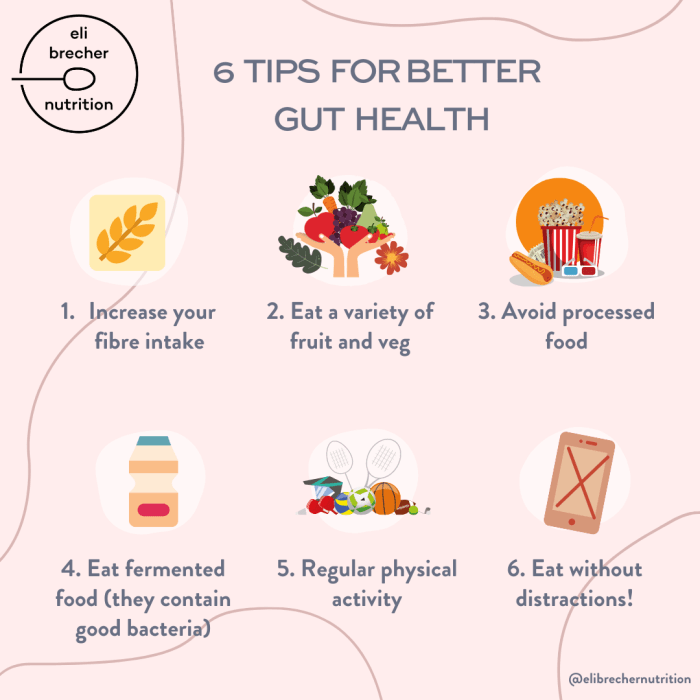
Gut health tips for beginners are essential for overall well-being. Understanding your gut microbiome and its impact on digestion, immunity, and even mood is crucial. This guide will demystify gut health, offering practical advice and actionable strategies to cultivate a thriving gut ecosystem, leading to improved health and vitality. We’ll explore dietary changes, lifestyle adjustments, and the role of hydration and stress management in supporting a healthy gut.
Introduction to Gut Health for Beginners
Gut health refers to the state of your digestive system and the balance of microorganisms residing within it. Maintaining a healthy gut is crucial for overall well-being, impacting everything from digestion and nutrient absorption to immunity and mental health. A thriving gut ecosystem supports a strong immune response, efficient nutrient processing, and even contributes to a positive mood.The gut microbiota, a complex community of bacteria, fungi, viruses, and other microorganisms, plays a pivotal role in our health.
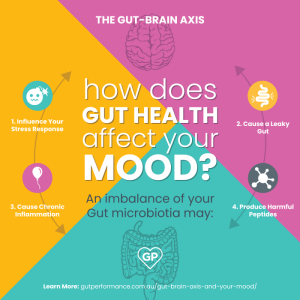
These microbes are not simply passive inhabitants; they actively participate in various bodily functions. They aid in digestion, synthesize essential vitamins (like vitamin K and some B vitamins), protect against harmful pathogens, and even influence our brain function through the gut-brain axis, a complex communication network connecting the gut and the brain. An imbalance in this microbiota, often referred to as dysbiosis, can lead to various health issues.
Common Misconceptions About Gut Health
Many misunderstandings surround gut health, often leading to ineffective or even harmful practices. For example, the belief that all bacteria are bad is a significant misconception. While some bacteria are indeed harmful, many are beneficial and essential for a healthy gut. Another common misconception is that probiotics are a quick fix for all gut problems. While probiotics can be beneficial in certain situations, they are not a universal solution and their effectiveness varies depending on the individual and the specific strain of probiotic.
Finally, the idea that only specific foods directly impact gut health overlooks the broader influence of diet, lifestyle, and stress levels on the gut microbiome. A holistic approach considering these factors is essential for long-term gut health.
Dietary Habits for a Healthy Gut: Gut Health Tips For Beginners
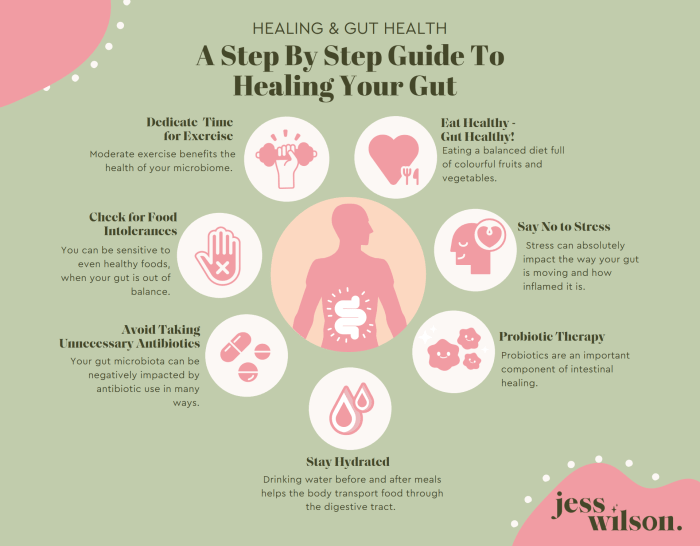
Nourishing your gut involves making conscious choices about what you eat. A balanced diet rich in diverse foods is crucial for fostering a thriving gut microbiome, the community of bacteria and other microorganisms living in your digestive tract. This microbiome plays a vital role in overall health, impacting everything from digestion and immunity to mood and even weight management.
Understanding the impact of different foods is key to optimizing your gut health.
The foods we consume directly influence the composition and function of our gut microbiota. Certain foods act as prebiotics, feeding beneficial bacteria, while others provide probiotics, introducing beneficial bacteria directly. Conversely, some foods can disrupt the delicate balance of the gut microbiome, leading to potential health issues. Making informed choices about your diet is therefore a fundamental step towards improving your gut health.
Foods That Promote Gut Health
A diverse range of foods contributes to a healthy gut. The following table highlights some key examples, offering serving suggestions and simple recipe ideas to help you incorporate them into your diet.
| Food | Benefit | Serving Suggestion | Recipe Idea |
|---|---|---|---|
| Yogurt (with live and active cultures) | Provides probiotics, beneficial bacteria that support gut health. | 1 cup with berries and a drizzle of honey. | Greek yogurt with chopped cucumbers, dill, and a squeeze of lemon for a tzatziki-style dip. |
| Kimchi | Fermented food rich in probiotics and beneficial fibers. | ½ cup as a side dish with Korean BBQ. | Kimchi fried rice with vegetables and tofu. |
| Bananas | Source of prebiotics, which feed beneficial gut bacteria. | 1-2 bananas as a snack or part of breakfast. | Banana smoothie with spinach, almond milk, and protein powder. |
| Oats | Contain beta-glucan, a soluble fiber that promotes gut health. | ½ cup cooked oatmeal with fruit and nuts. | Overnight oats with chia seeds, berries, and yogurt. |
| Garlic | Contains prebiotics and compounds that support gut health. | Add to stir-fries, soups, or sauces. | Roasted garlic cloves with olive oil and herbs. |
| Apples | Rich in pectin, a soluble fiber that feeds beneficial gut bacteria. | One medium apple as a snack or added to salads. | Apple crumble with oats and cinnamon. |
| Lentils | Excellent source of fiber, which supports gut microbiota diversity. | ½ cup cooked lentils in a salad or soup. | Lentil soup with carrots, celery, and onions. |
| Dark Leafy Greens | Rich in vitamins, minerals, and fiber, supporting overall gut health. | 1-2 cups of spinach or kale in a salad or smoothie. | Sautéed kale with garlic and olive oil. |
Detrimental Effects of Processed Foods, Sugar, and Artificial Sweeteners
Conversely, certain dietary components negatively impact gut health. Processed foods, often high in unhealthy fats, salt, and additives, can disrupt the balance of the gut microbiome. Excessive sugar and artificial sweeteners, while providing sweetness, lack nutritional value and can contribute to an imbalance in gut bacteria, potentially leading to inflammation and other health problems. Reducing the consumption of these items is crucial for maintaining a healthy gut.
The Importance of Prebiotics and Probiotics
Prebiotics and probiotics are essential components of a gut-healthy diet. Prebiotics are non-digestible food ingredients that act as fertilizer for beneficial bacteria in the gut, promoting their growth and activity. Probiotics, on the other hand, are live microorganisms that, when consumed in adequate amounts, confer a health benefit on the host. Incorporating both into your diet is vital for supporting a balanced and diverse gut microbiome.
Examples of prebiotics include inulin (found in chicory root and onions), fructooligosaccharides (FOS, found in many fruits and vegetables), and resistant starch (found in unprocessed grains and legumes). Examples of probiotics include those found in fermented foods like yogurt, kefir, sauerkraut, and kimchi, as well as probiotic supplements.
Hydration and Gut Health
Maintaining adequate hydration is crucial for optimal gut function. Water plays a vital role in numerous digestive processes, from the breakdown of food to the absorption of nutrients and the elimination of waste. Dehydration can significantly impair these processes, leading to various digestive issues.Water is essential for the proper movement of food through the digestive tract. It helps soften stool, preventing constipation and promoting regular bowel movements.
Furthermore, water is necessary for the production of mucus, which lubricates the gut lining and protects it from damage. A well-hydrated gut is a healthy gut.
Recommended Daily Water Intake
The recommended daily water intake varies depending on factors such as age, activity level, and climate. However, a general guideline is to consume at least eight 8-ounce glasses of water per day. This can be achieved by keeping a water bottle readily available and sipping on it throughout the day. Setting reminders on your phone or using a water tracking app can also be helpful.
Listen to your body; thirst is a clear indicator of dehydration, but it’s best to proactively stay ahead of dehydration by drinking regularly.
Benefits of Herbal Teas for Gut Health
Incorporating herbal teas into your daily routine can offer additional benefits for gut health. Many herbal teas contain compounds with prebiotic properties, which nourish beneficial gut bacteria. For example, chamomile tea is known for its soothing effects on the digestive system and may help reduce inflammation. Ginger tea can aid in digestion and alleviate nausea, while peppermint tea can help relieve bloating and gas.
Remember to choose herbal teas without added sugars or artificial sweeteners. Always consult with a healthcare professional if you have any underlying health conditions or are taking medications before making significant dietary changes, including incorporating herbal teas into your routine.
Lifestyle Factors Influencing Gut Health
Maintaining a healthy gut isn’t solely about diet; lifestyle choices significantly impact the thriving ecosystem within your intestines. Stress, sleep, and physical activity all play crucial roles in shaping your gut microbiota and overall well-being. Understanding these connections empowers you to make informed choices that support a healthy gut.
Stress Management Techniques and Gut Health
Chronic stress negatively affects gut health. The gut-brain axis, a complex bidirectional communication system, links the central nervous system and the gastrointestinal tract. When stressed, the body releases cortisol, a hormone that can disrupt the balance of gut bacteria, potentially leading to inflammation and digestive issues such as irritable bowel syndrome (IBS). Practices like meditation and yoga offer effective stress management strategies.
Meditation, through mindfulness and relaxation techniques, helps regulate the autonomic nervous system, reducing cortisol levels and promoting a more balanced gut environment. Yoga, combining physical postures with breathwork and meditation, similarly helps manage stress and improve overall well-being, indirectly supporting gut health. Regular engagement in these practices can contribute to a healthier gut microbiota and improved digestive function.
Sleep Quality and the Gut Microbiota
Sufficient, high-quality sleep is essential for maintaining a healthy gut. During sleep, the body repairs and regenerates, including the gut lining. Studies suggest a strong correlation between poor sleep and an altered gut microbiota composition. Insufficient sleep can disrupt the circadian rhythm, impacting the timing of gut functions and potentially leading to imbalances in gut bacteria. Individuals experiencing chronic sleep deprivation often report increased digestive problems.
Aiming for 7-9 hours of quality sleep each night allows the body to properly restore and maintain the balance of the gut microbiome, contributing to better digestion and overall health.
Incorporating Regular Physical Activity for Improved Gut Health
Regular physical activity benefits both physical and mental health, and this extends to gut health as well. Exercise promotes healthy gut motility, preventing constipation and facilitating regular bowel movements. Physical activity also improves blood flow to the digestive system, supporting nutrient absorption and overall digestive function. Furthermore, studies indicate that exercise can positively influence the composition and diversity of the gut microbiota, increasing the abundance of beneficial bacteria.
A simple guide to incorporating regular physical activity might include aiming for at least 150 minutes of moderate-intensity aerobic activity or 75 minutes of vigorous-intensity aerobic activity per week, spread throughout the week. Adding strength training exercises twice a week further enhances the benefits. Examples include brisk walking, cycling, swimming, or engaging in team sports. Even short bursts of activity throughout the day can contribute to improved gut health.
Healthy Recipes and Cooking Tips
Nourishing your gut involves consuming foods rich in prebiotics and probiotics, which are essential for a thriving gut microbiome. The following recipes offer diverse options catering to various dietary preferences, all while prioritizing gut health. Remember to adjust portion sizes according to your individual needs and caloric goals.
Vegan Gut-Friendly Recipes
These vegan recipes are packed with fiber, prebiotics, and beneficial plant compounds that support a healthy gut. They are naturally low in saturated fat and cholesterol, contributing to overall well-being.
- Lentil Soup with Turmeric and Ginger:
- Ingredients: 1 cup brown or green lentils, 4 cups vegetable broth, 1 onion (chopped), 2 carrots (chopped), 2 celery stalks (chopped), 1 inch ginger (grated), 1 tsp turmeric, 1/2 tsp cumin, salt and pepper to taste.
- Preparation: Sauté onion, carrots, and celery until softened. Add lentils, broth, ginger, turmeric, and cumin. Bring to a boil, then simmer for 30-40 minutes, or until lentils are tender. Season with salt and pepper.
- Kale and Quinoa Salad with Lemon-Tahini Dressing:
- Ingredients: 1 cup quinoa (cooked), 2 cups kale (chopped), 1/2 cup cucumber (diced), 1/4 cup red onion (thinly sliced), 1/4 cup chopped fresh parsley. Dressing: 2 tbsp tahini, 1 tbsp lemon juice, 1 tbsp water, salt and pepper to taste.
- Preparation: Combine cooked quinoa, kale, cucumber, red onion, and parsley. Whisk together dressing ingredients. Pour dressing over salad and toss to combine.
- Roasted Sweet Potato and Chickpea Bowl with Miso Dressing:
- Ingredients: 1 large sweet potato (cubed), 1 can chickpeas (drained and rinsed), 1 tbsp olive oil, 1/2 tsp smoked paprika, salt and pepper to taste. Dressing: 2 tbsp miso paste, 1 tbsp rice vinegar, 1 tbsp water.
- Preparation: Toss sweet potato and chickpeas with olive oil, paprika, salt, and pepper. Roast at 400°F (200°C) for 20-25 minutes, or until tender. Whisk together dressing ingredients. Serve roasted vegetables with dressing.
Vegetarian Gut-Friendly Recipes
These vegetarian recipes incorporate a variety of fiber-rich vegetables and whole grains, promoting healthy digestion and gut bacteria diversity. They offer a balance of nutrients and flavors to support overall gut health.
- Greek Yogurt with Berries and Chia Seeds:
- Ingredients: 1 cup plain Greek yogurt (full-fat), 1/2 cup mixed berries, 1 tbsp chia seeds.
- Preparation: Combine yogurt, berries, and chia seeds in a bowl. Enjoy immediately or chill for later.
- Vegetable and Brown Rice Stir-fry:
- Ingredients: 1 cup brown rice (cooked), 1 cup broccoli florets, 1 cup carrots (sliced), 1/2 cup bell peppers (sliced), 2 cloves garlic (minced), 1 tbsp soy sauce (low sodium), 1 tbsp sesame oil.
- Preparation: Stir-fry vegetables in sesame oil until tender-crisp. Add garlic and soy sauce. Combine with cooked brown rice.
- Spinach and Feta Stuffed Portobello Mushrooms:
- Ingredients: 4 large portobello mushrooms, 1 cup spinach (chopped), 1/2 cup feta cheese (crumbled), 1/4 cup red onion (chopped), 2 cloves garlic (minced), 1 tbsp olive oil.
- Preparation: Remove stems from mushrooms. Sauté spinach, feta, red onion, and garlic in olive oil. Stuff mushroom caps with mixture. Bake at 375°F (190°C) for 20 minutes.
Keto Gut-Friendly Recipes
These keto-friendly recipes focus on healthy fats and low-carb vegetables to support gut health while maintaining ketosis. They are rich in nutrients and beneficial for those following a ketogenic diet.
- Cauliflower Rice with Salmon and Avocado:
- Ingredients: 1 head cauliflower (riced), 2 salmon fillets, 1 avocado (sliced), 1 tbsp olive oil, salt and pepper to taste.
- Preparation: Sauté riced cauliflower in olive oil until tender. Season with salt and pepper. Pan-fry or bake salmon fillets. Serve cauliflower rice with salmon and avocado slices.
- Keto Broccoli Salad with Bacon and Creamy Dressing:
- Ingredients: 1 head broccoli (chopped), 4 slices bacon (cooked and crumbled), 1/4 cup mayonnaise, 2 tbsp sour cream, 1 tbsp lemon juice, salt and pepper to taste.
- Preparation: Combine broccoli, bacon, and dressing ingredients. Toss to coat.
- Shirataki Noodles with Shrimp and Coconut Aminos:
- Ingredients: 1 package shirataki noodles (rinsed), 1 cup shrimp (cooked), 1/4 cup coconut aminos, 1 tbsp olive oil, 1 clove garlic (minced).
- Preparation: Sauté garlic in olive oil. Add shrimp and coconut aminos. Toss with shirataki noodles.
Vegan and Vegetarian Diets for Gut Health
Plant-based diets, encompassing both vegan and vegetarian approaches, are increasingly recognized for their potential benefits to gut health. While both prioritize plant-based foods, they differ in their exclusion of animal products, leading to variations in their impact on the gut microbiome. This section will explore these differences, potential nutritional concerns, and strategies for maintaining optimal gut health on a plant-based diet.Both vegan and vegetarian diets, when well-planned, can support a diverse and thriving gut microbiome.
The high fiber content from fruits, vegetables, legumes, and whole grains promotes the growth of beneficial bacteria, leading to improved digestion, enhanced nutrient absorption, and a strengthened immune system. However, the absence of certain nutrients in these diets requires careful consideration and supplementation to prevent deficiencies.
Nutritional Deficiencies in Vegan and Vegetarian Diets and Mitigation Strategies
Vegan and vegetarian diets, while beneficial, can lack certain nutrients readily available in animal products. Careful planning and supplementation are crucial to avoid deficiencies.
- Vitamin B12: Exclusively found in animal products, B12 deficiency is a significant concern for vegans. Supplementation is essential, as deficiency can lead to neurological problems. Fortified foods and B12 supplements are readily available.
- Iron: Plant-based iron (non-heme iron) is less bioavailable than heme iron found in meat. Combining iron-rich plant foods (legumes, leafy greens) with vitamin C-rich foods (citrus fruits, peppers) enhances absorption. Regular blood tests are advisable to monitor iron levels.
- Omega-3 Fatty Acids: While plant-based sources like flaxseeds and chia seeds contain ALA (alpha-linolenic acid), the body converts ALA to EPA and DHA (essential for brain and heart health) inefficiently. Supplementation with algae-based omega-3s can be considered to ensure adequate intake.
- Calcium: Crucial for bone health, calcium is found in plant-based foods like leafy greens, fortified plant milks, and tofu. However, absorption can be less efficient than from dairy products. Adequate intake needs to be monitored, potentially requiring supplementation.
- Zinc: Found in nuts, seeds, and legumes, zinc absorption can be hindered by phytates present in these foods. Soaking and sprouting legumes can improve bioavailability. Supplementation may be necessary for some individuals.
Sample Weekly Gut-Friendly Vegan/Vegetarian Meal Plan
This sample meal plan emphasizes whole, unprocessed foods rich in fiber and prebiotics to support a healthy gut microbiome. Individual needs may vary, and adjustments should be made based on personal preferences and dietary requirements. Portion sizes should be adjusted to meet individual caloric needs.
| Day | Breakfast | Lunch | Dinner |
|---|---|---|---|
| Monday | Overnight oats with berries and chia seeds | Lentil soup with whole-grain bread | Tofu stir-fry with brown rice and broccoli |
| Tuesday | Smoothie with spinach, banana, and almond milk | Quinoa salad with chickpeas, cucumber, and tomatoes | Vegetable curry with chickpeas and brown rice |
| Wednesday | Whole-wheat toast with avocado and tomato | Black bean burger on a whole-wheat bun with lettuce and tomato | Roasted vegetables (sweet potato, Brussels sprouts, carrots) with quinoa |
| Thursday | Greek yogurt (vegan alternative) with fruit and granola | Leftover vegetable curry | Lentil Shepherd’s Pie with sweet potato topping |
| Friday | Scrambled tofu with spinach and mushrooms | Salad with mixed greens, beans, and a lemon vinaigrette | Pasta with marinara sauce and vegetables |
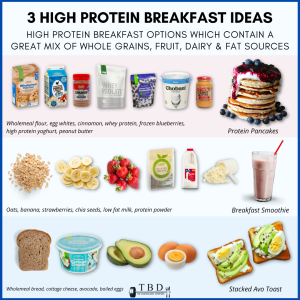
| Saturday | Pancakes made with whole-wheat flour and berries | Leftover pasta | Vegan chili with cornbread |
| Sunday | Breakfast burrito with tofu scramble, black beans, and salsa | Buddha bowl with brown rice, roasted vegetables, and tahini dressing | Pizza with whole-wheat crust, vegetables, and vegan cheese |
Keto and Low-Carb Diets and Gut Health
Ketogenic and low-carb diets, characterized by very low carbohydrate intake and high fat consumption, have gained popularity for weight loss and other health benefits. However, their impact on gut health is a complex and actively researched area, with both potential advantages and disadvantages. Understanding these effects is crucial for anyone considering adopting such a dietary approach.The initial shift to a ketogenic or low-carb diet can significantly alter the gut microbiome.
The dramatic reduction in readily available carbohydrates can lead to a decrease in certain beneficial bacteria that thrive on fiber. This can potentially result in temporary digestive discomfort, such as constipation, as the gut microbiota adapts to the new dietary regime. However, some studies suggest that long-term adherence to these diets may lead to changes in the microbial composition, potentially favoring bacteria that are more efficient at metabolizing fats.
Fiber Intake on Low-Carb Diets
Adequate fiber intake remains crucial even on a low-carb diet, despite the reduced carbohydrate consumption. While many associate fiber with carbohydrates, not all carbohydrates are created equal. Many low-carb vegetables, such as leafy greens, broccoli, and cauliflower, are excellent sources of fiber. These provide the bulk necessary for healthy bowel movements and support the growth of beneficial gut bacteria.
Neglecting fiber intake on a low-carb diet can exacerbate the negative effects on gut health, leading to increased constipation and potential imbalances in the gut microbiome. Prioritizing fiber-rich, low-carb options is essential for mitigating these risks.
Sample Keto/Low-Carb Meal Plan Prioritizing Gut Health
This sample meal plan focuses on incorporating fiber-rich, low-carb vegetables and healthy fats to support gut health while adhering to ketogenic principles. It’s important to note that individual needs may vary, and consulting a registered dietitian or healthcare professional is recommended before making significant dietary changes.
| Meal | Description | Gut Health Focus |
|---|---|---|
| Breakfast | Scrambled eggs with spinach and a side of avocado | Provides healthy fats and fiber from spinach and avocado. |
| Lunch | Salad with grilled chicken or fish, mixed greens, broccoli, and a olive oil and lemon juice dressing | High in fiber from broccoli and greens; healthy fats from olive oil and fish. |
| Dinner | Cauliflower rice stir-fry with shrimp and various low-carb vegetables (e.g., bell peppers, mushrooms) | Provides fiber from cauliflower and vegetables; lean protein from shrimp. |
| Snacks | Handful of almonds, celery sticks with almond butter, or a small portion of berries (in moderation) | Healthy fats and some fiber from almonds and berries. |
Superfoods and Supplements for Gut Health
Supporting a healthy gut involves more than just diet and lifestyle; incorporating specific superfoods and considering targeted supplements can significantly enhance your gut microbiome. These additions can provide a boost to the beneficial bacteria already present, further promoting digestive health and overall well-being. However, it’s crucial to remember that these are complementary to, not replacements for, a balanced diet and healthy lifestyle.
Superfoods for Gut Health, Gut health tips for beginners
A variety of foods offer exceptional benefits for gut health, contributing to a thriving microbiome. These “superfoods” are rich in nutrients that directly or indirectly support the growth of beneficial bacteria and reduce inflammation. It is important to note that individual responses to food can vary.
| Superfood | Key Benefit | Serving Suggestion | Potential Side Effects |
|---|---|---|---|
| Kimchi | High in probiotics and fiber, promoting gut diversity and regularity. | 1/2 cup as a side dish or added to salads. | May cause gas or bloating in some individuals, especially with high consumption. |
| Yogurt (with live and active cultures) | Contains probiotics that help maintain a balanced gut microbiome. | 1 cup as a snack or part of breakfast. | Lactose intolerance may occur in individuals sensitive to dairy. |
| Bananas | Rich in prebiotic fiber, feeding beneficial gut bacteria. | 1-2 medium bananas as a snack or added to smoothies. | May cause gas or bloating in individuals sensitive to high fiber intake. |
| Blueberries | High in antioxidants, reducing inflammation and supporting gut barrier function. | 1/2 cup as a snack or added to oatmeal or yogurt. | Generally well-tolerated; excessive consumption may lead to diarrhea. |
| Oats | Contains beta-glucan, a soluble fiber that acts as a prebiotic. | 1/2 cup cooked oats for breakfast. | May cause gas or bloating in some individuals. |
Gut Health Supplements: Probiotics and Prebiotics
Probiotics and prebiotics are often discussed together, but they have distinct roles in supporting gut health. Understanding their differences and potential benefits is essential for making informed choices.Probiotics are live microorganisms, primarily bacteria and yeasts, that, when administered in adequate amounts, confer a health benefit on the host. Prebiotics, on the other hand, are non-digestible food ingredients that promote the growth of beneficial bacteria in the gut.
Types of Probiotic Supplements
Several types of probiotic supplements are available, each containing different strains of bacteria. The effectiveness of a particular strain can vary depending on individual needs and gut microbiome composition. Some common types include
- Lactobacillus*,
- Bifidobacterium*, and
- Saccharomyces boulardii*.
- Lactobacillus* strains are often found in fermented foods like yogurt, while
- Bifidobacterium* strains are prevalent in breast milk.
- Saccharomyces boulardii* is a yeast that has shown promise in supporting gut health, particularly during antibiotic treatment. Choosing a supplement should be done in consultation with a healthcare professional, considering individual health conditions and potential interactions with medications.
Potential Benefits and Risks of Gut Health Supplements
Probiotics may help alleviate symptoms of digestive issues such as diarrhea, irritable bowel syndrome (IBS), and inflammatory bowel disease (IBD). Prebiotics can improve gut regularity and support overall digestive health. However, it is crucial to note that the evidence supporting the benefits of certain probiotics and prebiotics varies, and some individuals may experience side effects such as gas, bloating, or mild discomfort.
It is always recommended to consult a healthcare professional before starting any new supplement regimen, particularly if you have underlying health conditions or are taking other medications. They can help assess your individual needs and determine the appropriate dosage and type of supplement.
Intermittent Fasting and Gut Health
Intermittent fasting (IF), characterized by cycling between periods of eating and voluntary fasting, has gained popularity as a weight management and health optimization strategy. Its impact on gut health, however, is a complex and actively researched area, with both potential benefits and risks to consider. While some studies suggest positive effects, others highlight potential drawbacks, emphasizing the need for a cautious and personalized approach.The effects of intermittent fasting on the gut microbiome are multifaceted and not fully understood.
Some research indicates that IF may promote beneficial changes in gut bacterial composition, potentially improving gut barrier function and reducing inflammation. However, other studies have shown that IF can also disrupt the gut microbiome, leading to negative consequences depending on the individual and the fasting protocol employed.
Potential Benefits of Intermittent Fasting on Gut Health
Intermittent fasting may influence gut health positively through several mechanisms. Studies suggest that it can lead to increased production of short-chain fatty acids (SCFAs), beneficial metabolites produced by gut bacteria that contribute to gut barrier integrity and overall health. Furthermore, some research indicates that IF might reduce inflammation in the gut, potentially mitigating conditions like inflammatory bowel disease (IBD).
It’s important to note that the extent of these benefits depends significantly on factors such as the individual’s gut microbiome composition, the type of IF protocol used, and their overall dietary habits.
Potential Risks of Intermittent Fasting on Gut Health
While potential benefits exist, it is crucial to acknowledge potential negative effects. Some individuals may experience negative changes in gut microbiota composition, potentially leading to digestive discomfort, including bloating, constipation, or diarrhea. This disruption can be particularly pronounced if the individual doesn’t maintain a healthy diet during their eating windows. Furthermore, prolonged or improperly implemented IF could negatively impact gut barrier function, increasing the risk of intestinal permeability (“leaky gut”), potentially contributing to inflammation and autoimmune responses.
These risks highlight the importance of careful planning and monitoring.
Types of Intermittent Fasting Methods and Their Suitability for Gut Health
Several methods of intermittent fasting exist, each with its own potential impact on gut health. The 16/8 method, involving an 8-hour eating window and a 16-hour fasting period, is a relatively common approach. The 5:2 diet, consisting of five days of normal eating and two days of significantly reduced calorie intake, is another popular option. Alternate-day fasting involves alternating between days of eating normally and days of fasting.
The suitability of each method for gut health varies significantly depending on individual factors, and a gradual introduction to IF, along with close monitoring of gut symptoms, is recommended. Consulting a healthcare professional or registered dietitian is advisable before starting any IF regimen, especially for individuals with pre-existing gut conditions.
Guidelines for Safely Incorporating Intermittent Fasting into a Gut-Healthy Lifestyle
Successfully integrating intermittent fasting into a gut-healthy lifestyle requires careful planning and consideration. Prioritizing nutrient-dense foods during eating windows is crucial. This includes focusing on fruits, vegetables, whole grains, lean proteins, and healthy fats to ensure adequate nutrient intake and support a diverse gut microbiome. Staying hydrated throughout the fasting period is essential to prevent dehydration and maintain gut function.
Gradually introducing IF, starting with shorter fasting periods and increasing them gradually, minimizes the risk of adverse effects. Listening to your body and adjusting the fasting protocol based on individual responses is paramount. Individuals with existing gut conditions should consult with their healthcare provider before commencing intermittent fasting. Regular monitoring of gut symptoms is crucial to identify and address any potential issues promptly.
Nutrition for Athletes and Gut Health
Maintaining a healthy gut is crucial for athletes, impacting not only digestive comfort but also overall performance and recovery. A compromised gut can lead to decreased energy levels, impaired nutrient absorption, and increased susceptibility to illness, hindering training and competition. Understanding the specific nutritional needs of athletes and how to support gut health through diet is essential for optimal athletic success.The unique demands of athletic training require a tailored approach to nutrition, particularly regarding gut health.
Athletes often experience increased intestinal permeability (“leaky gut”) due to intense exercise, leading to inflammation and reduced nutrient absorption. Therefore, focusing on pre and post-workout nutrition, as well as overall dietary choices, is critical to mitigate these effects and optimize gut function.
Specific Nutritional Needs of Athletes Regarding Gut Health
Athletes require a higher caloric intake to fuel their training and recovery, but the quality of those calories is paramount. Prioritizing whole, unprocessed foods rich in prebiotics and probiotics is key. Prebiotics, like inulin and resistant starch found in fruits, vegetables, and whole grains, feed beneficial gut bacteria, promoting their growth and activity. Probiotics, live microorganisms found in fermented foods like yogurt and kefir, directly introduce beneficial bacteria to the gut.
Sufficient protein intake is also vital for muscle repair and growth, with emphasis on lean sources like chicken, fish, and legumes. Finally, adequate intake of vitamins and minerals, particularly those involved in energy production and immune function, is necessary to support training and prevent deficiencies.
Pre and Post-Workout Nutrition for Gut Health
Pre-workout nutrition should focus on easily digestible carbohydrates to provide sustained energy, coupled with a moderate amount of protein to support muscle function. Avoid high-fat meals before exercise, as they can slow digestion and cause discomfort. A simple example could be a banana with a small amount of peanut butter or a rice cake with a thin layer of avocado.
Post-workout, replenishing glycogen stores and repairing muscle tissue is crucial. Consuming a combination of carbohydrates and protein within 30-60 minutes after training helps optimize recovery and reduces muscle soreness. A good example would be a protein shake with berries or a chicken salad sandwich on whole-wheat bread. Maintaining adequate hydration throughout the entire process is also vital.
Sample Meal Plan for an Athlete Focusing on Gut Health and Performance
This sample meal plan is a guideline and should be adjusted based on individual needs, training intensity, and dietary preferences. It emphasizes whole, unprocessed foods, prebiotics, and probiotics, while also providing sufficient protein and carbohydrates for optimal performance and recovery.
| Meal | Food Choices |
|---|---|
| Breakfast (Pre-workout) | Oatmeal with berries and nuts, Greek yogurt with fruit and chia seeds |
| Lunch | Quinoa salad with grilled chicken or fish, plenty of vegetables |
| Snack (Post-workout) | Protein shake with banana and spinach, or a small portion of lean protein with sweet potato |
| Dinner | Lentil soup with whole-grain bread, baked salmon with roasted vegetables |
| Snack | Plain yogurt with a small amount of honey or a handful of almonds |
By implementing even a few of these gut health tips for beginners, you can significantly improve your digestive health and overall well-being. Remember that consistency is key. Small, sustainable changes to your diet and lifestyle can yield substantial long-term benefits. Prioritize nourishing your gut and reap the rewards of a healthier, happier you.
Essential FAQs
What are the signs of an unhealthy gut?
Common signs include bloating, gas, constipation, diarrhea, abdominal pain, and fatigue.
How long does it take to see improvements in gut health?
Results vary, but many people notice improvements within a few weeks of making dietary and lifestyle changes. Consistency is key.
Can I take probiotics if I’m on medication?
It’s crucial to consult your doctor before taking probiotics, especially if you are on medication, as there may be interactions.
Are all probiotics the same?
No, different strains of probiotics offer different benefits. The best probiotic for you depends on your individual needs and health concerns.