Cheap Protein Sources for Healthy Meals
Cheap protein sources for healthy meals are surprisingly abundant and accessible. This exploration delves into affordable options for vegetarians, vegans, keto dieters, and athletes, showcasing diverse recipes and meal plans. We’ll examine the nutritional benefits of various protein sources, emphasizing cost-effectiveness and strategies for maximizing their value in your diet. From lentils and beans to eggs and canned tuna, we’ll uncover delicious and budget-friendly ways to meet your protein needs without compromising on health.
Affordable Protein Sources
Finding nutritious and budget-friendly protein sources is crucial for maintaining a healthy diet, especially for those on a tight budget. This section explores several inexpensive options, focusing on their cost-effectiveness, nutritional value, and culinary versatility. We will delve into vegetarian options, compare key protein sources, and examine the benefits of bulk buying.
Inexpensive Vegetarian Protein Sources
The following table lists five affordable vegetarian protein sources, highlighting their nutritional benefits and suggesting simple recipe ideas. Prices may vary depending on location and seasonality. The cost per serving is an estimate based on average prices.
| Name | Cost per serving (estimate) | Nutritional benefits | Recipe ideas |
|---|---|---|---|
| Lentils | $0.50 – $1.00 | High in protein, fiber, iron, and folate. Excellent source of plant-based protein. | Lentil soup, lentil stew, lentil salad, veggie burgers |
| Beans (kidney, black, pinto) | $0.40 – $0.80 | Good source of protein, fiber, iron, and various vitamins and minerals. Contribute to digestive health. | Chili, burritos, bean salads, black bean burgers |
| Tofu | $1.00 – $2.00 | Complete protein source (contains all essential amino acids), low in fat, good source of iron and calcium. | Tofu scramble, stir-fries, tofu steaks, marinated tofu |
| Peanut Butter | $0.50 – $1.00 | Good source of protein and healthy fats, also provides vitamin E and magnesium. | Peanut butter sandwiches, smoothies, added to oatmeal or yogurt |
| Quinoa | $1.50 – $2.50 | Complete protein, high in fiber, iron, and manganese. A good source of complex carbohydrates. | Quinoa salad, quinoa bowls, added to soups or stews |
Comparison of Lentils, Beans, and Tofu
Lentils, beans, and tofu are all excellent sources of plant-based protein, but their nutritional profiles differ slightly.
- Protein Content: Tofu generally has a higher protein content per serving than lentils and beans, but the difference isn’t substantial. All three are good sources of protein.
- Fiber Content: Lentils and beans are exceptionally high in fiber, contributing to digestive health and satiety. Tofu contains less fiber.
- Iron Content: Lentils and beans are good sources of iron, though bioavailability (how well the body absorbs the iron) can be affected by other dietary factors. Tofu also contains iron.
- Other Nutrients: Each offers a range of vitamins and minerals. Beans are particularly rich in certain B vitamins. Lentils are a good source of folate.
Eggs: A Versatile and Affordable Protein Source
Eggs are a remarkably versatile and inexpensive source of high-quality protein. Their affordability makes them a staple in many cuisines.
- Scrambled Eggs: A classic breakfast option, easily customizable with vegetables, cheese, or spices.
- Omelets: Offer endless possibilities for incorporating vegetables, meats, and cheeses into a nutritious and satisfying meal.
- Hard-boiled Eggs: A convenient and portable snack or addition to salads and sandwiches.
Bulk Buying vs. Smaller Packages
Purchasing protein sources in bulk can often be more cost-effective in the long run. For example, buying a large bag of lentils or a case of eggs will typically result in a lower per-unit cost compared to buying smaller packages. However, consider storage space and potential spoilage before committing to bulk purchases. A family of four might find significant savings buying a 25-pound bag of rice compared to buying smaller bags every week.
However, a single person might find a smaller bag more practical to avoid waste.
Vegan and Vegetarian Protein Sources
Plant-based diets, encompassing vegan and vegetarian approaches, offer a wealth of nutritional benefits, and a key advantage lies in their diverse array of protein sources. Incorporating these sources into a healthy diet can contribute to improved cardiovascular health, weight management, and reduced risk of certain chronic diseases. This section will explore the benefits of plant-based protein and delve into the specifics of various sources, focusing on beans and strategies for ensuring complete protein intake.
Benefits of Plant-Based Protein
Plant-based proteins are often associated with lower saturated fat and cholesterol levels compared to animal-based proteins. This contributes to improved heart health and reduced risk of cardiovascular disease. Furthermore, many plant-based protein sources are rich in fiber, which aids digestion, promotes satiety, and can help regulate blood sugar levels, supporting healthy weight management. The abundance of vitamins, minerals, and antioxidants in plant-based foods further enhances their nutritional value, contributing to overall well-being.
Comparison of Bean Protein Content and Amino Acid Profiles
Beans are an excellent source of plant-based protein, but their protein content and amino acid profiles vary. Understanding these differences allows for strategic meal planning to ensure complete protein intake. The following table provides a comparison of selected beans:
| Bean Type | Protein Content (grams per 100g) | Amino Acid Profile Highlights | Recipe Suggestions |
|---|---|---|---|
| Soybeans | 36 | Complete protein, high in lysine | Edamame, tofu, tempeh, soy milk |
| Kidney Beans | 21 | Good source of lysine and arginine | Chili, soups, salads |
| Black Beans | 22 | Rich in lysine and iron | Burritos, veggie burgers, dips |
| Lentils | 26 | Good source of lysine and fiber | Lentil soup, lentil loaf, salads |
Combining Plant-Based Proteins for Complete Protein Intake
Plant-based proteins often lack one or more essential amino acids. However, by strategically combining different plant-based protein sources throughout the day, it is possible to obtain a complete protein profile. This approach ensures the body receives all nine essential amino acids necessary for optimal protein synthesis and overall health.
Examples of Complete Protein Combinations
Combining legumes (beans, lentils, peas) with grains (rice, quinoa, oats) is a classic example of complementary protein pairing. For instance, rice and beans provide a balanced amino acid profile, supplying all essential amino acids. Other examples include quinoa and black beans, or lentil soup with whole-wheat bread. Nuts and seeds, rich in certain amino acids, can also be incorporated to enhance the completeness of protein intake.
A combination of almonds and lentils, for example, can contribute to a more complete amino acid profile. It is important to remember that complete protein intake doesn’t necessitate combining proteins within every meal; rather, it refers to the overall consumption throughout the day.
Keto and Low-Carb Protein Sources
Embarking on a ketogenic diet requires careful consideration of macronutrient intake, with protein playing a crucial role in satiety, muscle preservation, and overall metabolic function. Finding affordable yet effective protein sources is key to long-term adherence and success. This section explores inexpensive keto-friendly protein options, their benefits, and how to incorporate them into delicious and budget-friendly meals.Inexpensive Keto-Friendly Protein Sources and Their SuitabilityThree budget-friendly protein sources that align perfectly with a low-carb lifestyle include eggs, canned tuna, and chicken thighs.
Eggs are incredibly versatile, providing a complete protein profile with minimal carbohydrates. Canned tuna offers a quick and convenient protein boost, particularly useful for meal prepping or quick lunches. Chicken thighs, while often overlooked in favor of breasts, are significantly more affordable and equally nutritious, offering a rich source of protein and healthy fats. Their higher fat content contributes to satiety and supports the ketogenic process.
Adequate Protein Intake on a Ketogenic Diet
Sufficient protein intake is vital for maintaining muscle mass while on a ketogenic diet. The body uses protein for various functions, and inadequate intake can lead to muscle loss and negatively impact energy levels. While the exact protein requirements vary depending on individual factors like activity level and body composition, aiming for a moderate protein intake (around 0.8-1 gram per kilogram of body weight) is generally recommended.
This ensures that the body utilizes fat as its primary fuel source while preserving lean muscle mass. Insufficient protein can also hinder the body’s ability to adapt to ketosis effectively.
Low-Carb Meal Recipes
The following recipes demonstrate how to create delicious and affordable low-carb meals using the protein sources mentioned above.
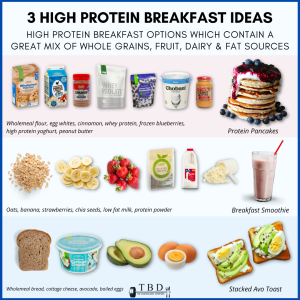
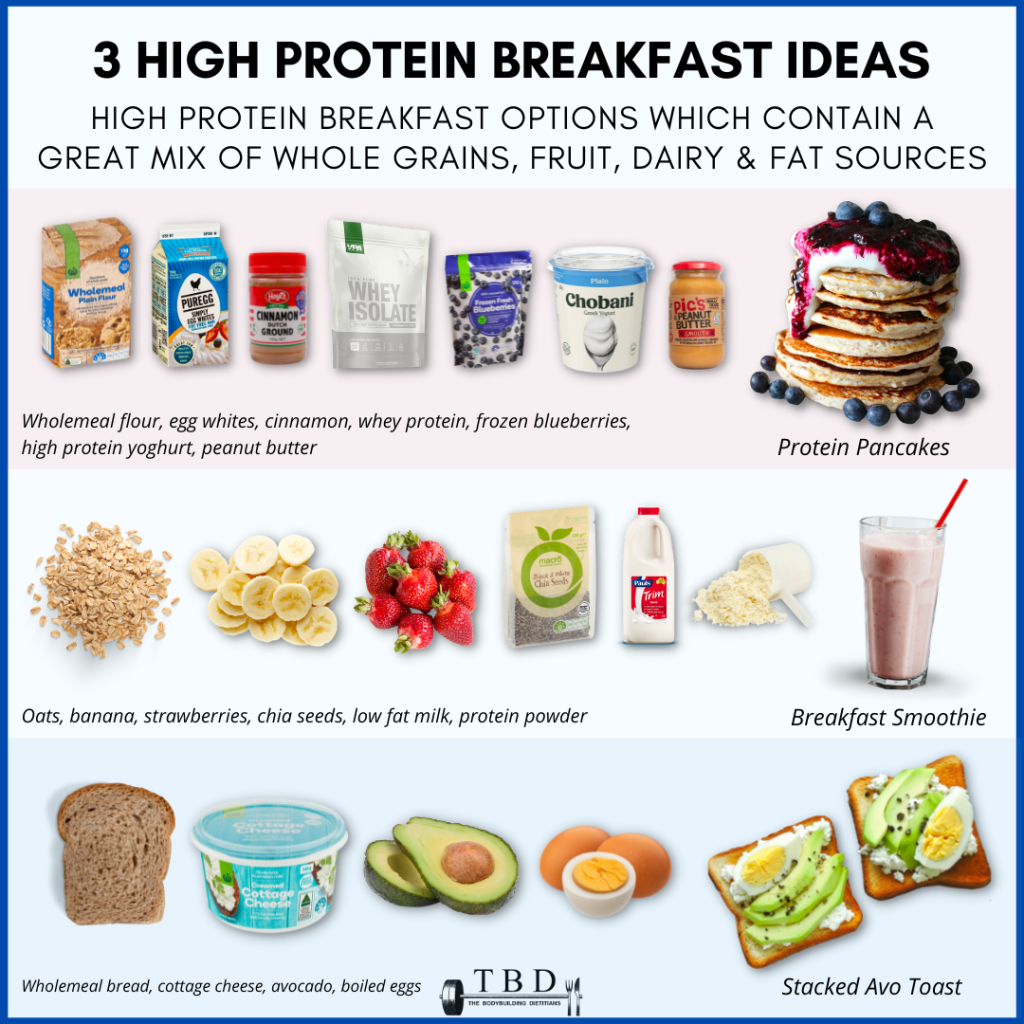
- Scrambled Eggs with Spinach and Cheese: This simple breakfast or brunch option is quick to prepare and packed with protein and healthy fats. Sauté spinach with a little butter or olive oil, then scramble eggs with the spinach and a sprinkle of cheddar cheese.
This recipe is incredibly low-carb, focusing on protein and healthy fats, making it ideal for a ketogenic diet.
- Tuna Salad Lettuce Wraps: Mix canned tuna with mayonnaise, celery, and onion. Serve this mixture in crisp lettuce cups for a refreshing and low-carb lunch or light dinner.
By using lettuce cups instead of bread, this recipe significantly reduces carbohydrate intake while providing a satisfying protein-rich meal.
- One-Pan Roasted Chicken Thighs and Vegetables: Roast chicken thighs with broccoli, cauliflower, and Brussels sprouts. Season generously with herbs and spices.
This recipe relies on naturally low-carb vegetables and a protein-rich chicken thigh, making it a simple and effective keto-friendly dinner option.
Potential Drawbacks of Over-Reliance on Certain Protein Sources and Alternative Options
Relying heavily on a limited range of protein sources can lead to nutritional deficiencies and potential health issues. For example, consuming too much tuna may lead to mercury accumulation. To mitigate this risk, dietary diversity is crucial. Including other affordable keto-friendly options such as ground beef, pork loin, or canned salmon provides a broader spectrum of nutrients and reduces the risk of over-consuming any single protein source.
Furthermore, incorporating a variety of low-carb vegetables ensures adequate micronutrient intake. These alternative options offer similar protein content while diversifying the nutritional profile of the ketogenic diet.
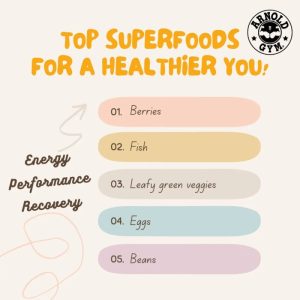
Superfoods and Budget-Friendly Options
The term “superfood” is often used to describe nutrient-rich foods that offer significant health benefits. While the definition is somewhat subjective, these foods generally pack a powerful punch of vitamins, minerals, antioxidants, and other beneficial compounds. However, many associate superfoods with high prices, limiting their accessibility. This section explores how to harness the nutritional power of superfoods without breaking the bank.Budget-friendly superfoods offer a compelling alternative to expensive options, providing similar nutritional benefits at a fraction of the cost.
Careful planning and mindful shopping can significantly reduce the overall cost of a healthy diet rich in essential nutrients. Understanding the nutritional profiles of both budget-friendly and premium options allows for informed choices that maximize both health and affordability.
Budget-Friendly Protein-Rich Superfoods
Three excellent examples of budget-friendly protein-rich superfoods are lentils, eggs, and canned tuna. These readily available ingredients offer a substantial protein boost and are significantly more affordable than many other protein sources.
Incorporating Budget Superfoods into Daily Meals
Lentils are incredibly versatile. They can be added to soups, stews, salads, or even used as a base for veggie burgers, significantly increasing the protein content of these dishes without a substantial increase in cost. A simple lentil soup, for example, can be made with inexpensive vegetables and spices, providing a complete and satisfying meal.Eggs are another incredibly affordable protein source.
They can be incorporated into breakfast dishes like omelets or frittatas, added to salads for extra protein and richness, or used as a binding agent in baked goods. Hard-boiled eggs are also a great portable snack.Canned tuna is a convenient and affordable source of protein. It can be used in salads, sandwiches, or pasta dishes. Mixing canned tuna with mayonnaise, celery, and onion creates a classic tuna salad, a cost-effective and protein-packed lunch option.
Nutritional Comparison: Budget vs. Premium Protein Sources
| Nutrient Source | Protein (g/serving) | Cost per serving (estimated) | Other Key Nutrients |
|---|---|---|---|
| Lentils (1 cup cooked) | 18 | $0.50 – $1.00 | Fiber, iron, folate |
| Eggs (2 large) | 12 | $0.50 – $1.00 | Choline, vitamin D, vitamin B12 |
| Canned Tuna (5 oz) | 30 | $1.00 – $2.00 | Omega-3 fatty acids, vitamin B12 |
| Salmon (3 oz) | 22 | $4.00 – $8.00 | Omega-3 fatty acids, vitamin D |
| Organic Greek Yogurt (1 cup) | 20 | $2.00 – $4.00 | Calcium, probiotics |
Note: Cost estimates are approximate and vary based on location and retailer. This table highlights that while premium options like salmon and organic Greek yogurt offer similar protein content, their cost is significantly higher than lentils, eggs, and canned tuna.
Nutrition for Athletes on a Budget
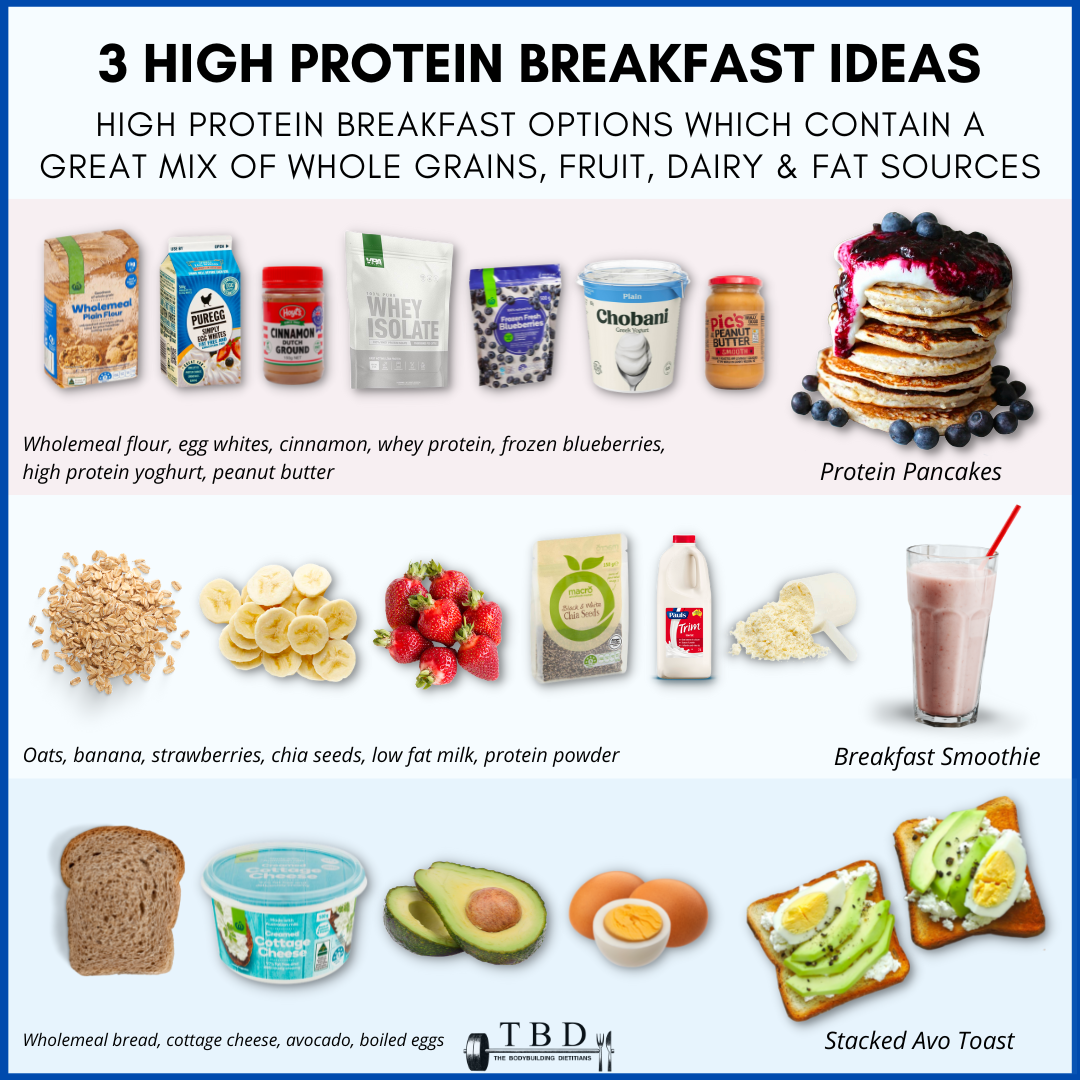
Maintaining peak physical condition as an athlete requires a balanced diet, and sufficient protein intake is crucial for muscle recovery and growth. However, the cost of high-protein foods can be prohibitive for many athletes. This section Artikels strategies for building a nutritious, high-protein diet without breaking the bank.Protein plays a vital role in muscle repair and growth after intense physical activity.
When muscles are stressed during exercise, microscopic tears occur. Protein provides the building blocks – amino acids – necessary to repair this damage and stimulate muscle growth (hypertrophy). Insufficient protein intake can hinder recovery, leading to decreased performance, increased risk of injury, and impaired overall health.
Protein Requirements for Athletes
The amount of protein an athlete needs varies considerably depending on factors such as the intensity and duration of training, the type of sport, and individual body composition. Generally, athletes require a higher protein intake than sedentary individuals. While the recommended daily allowance for the average adult is around 0.8 grams of protein per kilogram of body weight, athletes often benefit from consuming 1.2 to 2.0 grams per kilogram, or even more depending on their training regime.
For example, a 70kg endurance athlete might aim for 84-140g of protein daily, while a 70kg strength athlete might need 105-140g or more. These are estimates and individual needs should be assessed by a qualified nutritionist or sports dietitian.
Weekly Meal Plan for an Athlete on a Budget
This sample meal plan emphasizes affordable protein sources such as beans, lentils, eggs, chicken, and canned fish. Remember to adjust portion sizes based on your individual needs and activity level.
| Day | Breakfast | Lunch | Dinner | Snacks |
|---|---|---|---|---|
| Monday | Oatmeal with berries and a scoop of whey protein (optional) | Lentil soup with whole-wheat bread | Baked chicken breast with brown rice and steamed broccoli | Greek yogurt, hard-boiled eggs |
| Tuesday | Scrambled eggs with whole-wheat toast | Tuna salad sandwich on whole-wheat bread | Black bean burgers on whole-wheat buns with a side salad | Trail mix (nuts, seeds, dried fruit) |
| Wednesday | Greek yogurt with granola and fruit | Leftover black bean burgers | Chicken stir-fry with brown rice | Banana with peanut butter |
| Thursday | Oatmeal with banana and nuts | Lentil salad | Baked salmon (canned) with sweet potato and green beans | Hard-boiled eggs |
| Friday | Scrambled eggs with vegetables | Leftover salmon and vegetables | Chicken and vegetable curry with brown rice | Apple slices with almond butter |
| Saturday | Pancakes made with whole wheat flour and protein powder (optional) | Chickpea salad sandwich | Pork and bean stew | Cottage cheese |
| Sunday | French toast (whole wheat bread) with berries | Leftover pork and bean stew | Roast chicken with roasted vegetables | Mixed nuts |
Maximizing Protein Intake on a Budget
Several strategies can help maximize protein intake without excessive spending. Buying in bulk, choosing less expensive cuts of meat (such as chicken thighs instead of breasts), utilizing canned beans, lentils, and fish, and incorporating plant-based protein sources like tofu and tempeh are all cost-effective methods. Planning meals ahead of time and preparing large batches to minimize food waste are also helpful.
Finally, consider using protein powder sparingly to supplement your diet, but prioritize whole food sources.
Gut Health and Protein
Maintaining a healthy gut microbiome is crucial for overall well-being, and protein plays a significant role in this process. The type and quantity of protein consumed directly impact the diversity and function of gut bacteria, influencing digestion, nutrient absorption, and immune function. Understanding this relationship allows for informed choices regarding protein sources to optimize gut health.The relationship between protein intake and gut health is complex but significant.
Sufficient protein is essential for the production of mucins, the protective layer lining the gut. Furthermore, protein provides the building blocks for gut cells, ensuring their repair and regeneration. However, the type of protein matters. Some proteins are more easily digested than others, minimizing the strain on the gut and reducing the risk of digestive discomfort.
Conversely, consuming excessive amounts of certain proteins, particularly those difficult to digest, can disrupt the delicate balance of the gut microbiome and contribute to inflammation.
Protein Sources Promoting a Healthy Gut Microbiome
Choosing protein sources rich in easily digestible amino acids and those that support the growth of beneficial gut bacteria is key. Lean meats like chicken and turkey, as well as fish, are generally well-tolerated. Plant-based options such as lentils, chickpeas, and quinoa offer excellent protein and are often packed with prebiotics, which feed beneficial gut bacteria. Eggs are another versatile and affordable source of high-quality protein.
Fermented foods like yogurt (especially those containing live and active cultures) and kefir contribute both protein and probiotics, directly enhancing the gut microbiome. Soy products, while a source of protein, can have varied effects depending on individual tolerance.
Choosing Protein Sources for Digestive Health
When selecting protein sources, prioritize those that are easily digested and minimize digestive stress. This often means choosing leaner cuts of meat, removing excess fat, and opting for well-cooked options. Plant-based proteins should be properly prepared to enhance digestibility. For example, soaking and sprouting legumes can reduce the presence of antinutrients, making them easier to digest. Paying attention to portion sizes is also important; consuming excessive amounts of protein, regardless of the source, can strain the digestive system.
Individuals with specific digestive sensitivities should consider consulting a healthcare professional or registered dietitian to identify the most suitable protein sources for their needs.
Prebiotic and Probiotic-Rich Foods to Pair with Affordable Protein Sources
Pairing affordable protein sources with prebiotic and probiotic-rich foods further enhances gut health. Prebiotics act as food for beneficial gut bacteria, promoting their growth and activity. Examples include bananas, apples, onions, and garlic. Probiotics introduce beneficial bacteria directly into the gut. In addition to yogurt and kefir, sauerkraut and kimchi are excellent sources of probiotics.
For instance, pairing lentils (an affordable protein source) with a side of sauerkraut provides both protein and probiotics, contributing to a healthy gut microbiome. Similarly, incorporating a serving of cooked broccoli alongside chicken breast adds a prebiotic element to a protein-rich meal.
Eating for Energy and Focus on a Budget: Cheap Protein Sources For Healthy Meals

Maintaining consistent energy levels and sharp mental focus is crucial for daily productivity, yet it can feel challenging, especially when managing a limited budget. Fortunately, strategic food choices, focusing on affordable protein sources and other essential nutrients, can significantly improve both energy and concentration without breaking the bank. This section will explore how to achieve this through smart dietary planning.Protein plays a vital role in sustaining energy and enhancing cognitive function.
Unlike carbohydrates which provide a quick burst of energy followed by a crash, protein offers a more sustained release, preventing energy dips and promoting stable blood sugar levels. Furthermore, several amino acids found in protein are precursors to neurotransmitters, the chemical messengers responsible for communication within the brain, directly impacting focus and concentration. A deficiency in these essential amino acids can lead to decreased cognitive performance, including difficulty concentrating and reduced mental clarity.
The Role of Protein in Energy and Focus
Adequate protein intake is essential for sustained energy and improved cognitive function. Protein digestion is a slower process compared to carbohydrates, resulting in a gradual release of glucose into the bloodstream. This prevents the energy spikes and crashes associated with carbohydrate-heavy diets. Additionally, several amino acids found in protein are crucial for the synthesis of neurotransmitters like dopamine and norepinephrine, which are vital for attention, focus, and motivation.
Sample Meal Plan for Enhanced Energy and Concentration
A well-planned, budget-friendly meal plan can significantly impact energy levels and focus. The following plan emphasizes affordable protein sources and nutrient-rich foods to support sustained energy release and cognitive function.
- Breakfast: Oatmeal with a handful of almonds and a scoop of peanut butter. Oatmeal provides sustained energy release, almonds offer healthy fats and vitamin E, and peanut butter adds protein and healthy fats. This combination helps to stabilize blood sugar and promotes sustained energy throughout the morning.
- Lunch: Lentil soup with a whole-wheat roll. Lentils are an excellent source of plant-based protein and fiber, contributing to sustained energy and satiety. The whole-wheat roll provides complex carbohydrates for a balanced energy source.
- Dinner: Chicken and vegetable stir-fry with brown rice. Chicken breast is a lean protein source, while vegetables provide essential vitamins and minerals. Brown rice offers a more gradual release of energy compared to white rice.
- Snacks: Hard-boiled eggs, Greek yogurt, or a small handful of trail mix (nuts, seeds, and dried fruit). These provide quick and convenient sources of protein and other nutrients to prevent energy slumps.
Choosing Protein Sources for Sustained Energy Release, Cheap protein sources for healthy meals
Selecting protein sources that provide a slow and steady release of energy is key. Lean protein sources, such as chicken breast, fish (especially canned tuna or salmon), beans, lentils, and tofu, are preferable to processed meats or those high in saturated fat. These options are generally more affordable and offer a sustained release of energy without the energy crashes associated with refined carbohydrates or high-fat foods.
Combining protein with complex carbohydrates (like whole grains) and healthy fats further enhances sustained energy release.
Improving Focus and Concentration Through Dietary Choices
Beyond protein, several affordable dietary strategies can enhance focus and concentration. Regular consumption of foods rich in omega-3 fatty acids, such as flaxseeds or walnuts, is beneficial for brain health and cognitive function. Staying well-hydrated is also crucial, as dehydration can impair cognitive performance. Finally, limiting refined sugars and processed foods, which can lead to energy fluctuations and reduced concentration, is essential.
Replacing these with whole, unprocessed foods ensures a more stable energy supply and improved cognitive function.
Ultimately, achieving a healthy and balanced diet doesn’t require breaking the bank. By strategically choosing inexpensive protein sources and planning your meals effectively, you can enjoy nutritious and satisfying meals that support your overall well-being. Remember to diversify your protein intake, explore creative recipes, and prioritize cost-effective purchasing strategies to make healthy eating both accessible and enjoyable. The journey to better nutrition begins with informed choices and a commitment to mindful eating, regardless of budget constraints.
Q&A
Can I get enough protein on a tight budget?
Absolutely! Many affordable protein sources, such as lentils, beans, and eggs, offer excellent nutritional value and are readily available.
Are there any risks associated with eating only cheap protein sources?
While many inexpensive protein sources are highly nutritious, it’s crucial to ensure dietary diversity to obtain a full range of vitamins and minerals. Relying solely on a limited selection of protein sources could lead to nutritional deficiencies.
How can I store inexpensive protein sources to prevent spoilage?
Proper storage is vital. Dry goods like lentils and beans should be stored in airtight containers in a cool, dry place. Eggs should be refrigerated, and canned goods should be stored according to the manufacturer’s instructions.
What are some good resources for finding affordable healthy food?
Local food banks, community gardens, farmers’ markets, and discount grocery stores often offer affordable and nutritious options. Additionally, meal planning and smart shopping habits can significantly reduce food costs.