How to Start a Vegan Diet
How to start a vegan diet is a question many ask, embarking on this journey requires careful planning and understanding. This guide offers a comprehensive approach, covering everything from gradual transition strategies and essential nutrient considerations to delicious recipes and addressing common challenges. We’ll explore how to maintain nutritional balance, manage potential difficulties, and ultimately thrive on a fulfilling vegan lifestyle.
Successfully transitioning to a vegan diet involves more than just eliminating animal products; it’s about proactively ensuring you’re meeting your nutritional needs. This guide provides a structured approach, addressing concerns around essential nutrients, offering practical meal planning tips, and suggesting resources to support your journey. We will also explore the various facets of veganism, including social aspects, budget-friendly options, and adapting the diet for specific needs and health conditions.
Planning Your Vegan Transition
Embarking on a vegan journey is a significant lifestyle change, and a gradual approach is often the most successful. Instead of an abrupt overhaul, consider a phased transition that allows your body and palate to adapt comfortably. This approach minimizes potential challenges and maximizes your chances of long-term success.A gradual transition allows you to slowly incorporate more plant-based foods into your diet while gradually reducing or eliminating animal products.
This approach helps to avoid feelings of deprivation and makes the overall process more sustainable. This method also gives you time to learn about new ingredients, recipes, and meal planning strategies.
Stages of a Gradual Vegan Transition
The transition to a vegan diet can be broken down into manageable stages. A common approach involves focusing on one area at a time. For example, you might start by eliminating meat for a month, then dairy the following month, and finally eggs and honey. The timeframe for each stage is flexible and should be tailored to your individual needs and preferences.
Some individuals might find a faster transition suitable, while others may prefer a slower, more deliberate pace. There is no right or wrong way, as long as it’s sustainable for you.
Essential Steps for Vegan Beginners
Beginning a vegan diet requires careful planning to ensure you meet your nutritional needs. This involves careful attention to grocery shopping, meal planning, and understanding the importance of nutritional balance. A well-structured approach will significantly enhance your chances of success.
- Grocery Shopping: Familiarize yourself with vegan alternatives to common animal products. Stock your pantry with staples like beans, lentils, tofu, tempeh, nuts, seeds, whole grains, fruits, and vegetables. Explore your local grocery store’s vegan section for ready-made options like vegan burgers, sausages, and cheeses, which can be helpful in the initial stages.
- Meal Planning: Create a weekly meal plan to ensure you have a variety of nutritious meals and snacks. This helps to avoid impulsive, less healthy choices. Start with simple recipes and gradually incorporate more complex dishes as you gain confidence and experience.
- Nutritional Awareness: Learn about essential nutrients like vitamin B12, iron, calcium, and omega-3 fatty acids, which can be harder to obtain on a vegan diet. Understand how to incorporate these nutrients through fortified foods or supplements.
Consulting a Healthcare Professional
Before making significant dietary changes, it’s crucial to consult with a doctor or registered dietitian, especially if you have any underlying health conditions. They can help you assess your individual nutritional needs, identify potential deficiencies, and create a personalized plan to ensure a safe and healthy transition. They can also provide guidance on supplementing where necessary to ensure optimal health.
This proactive step is vital for minimizing any potential risks associated with dietary changes.
Sample Weekly Vegan Meal Plan
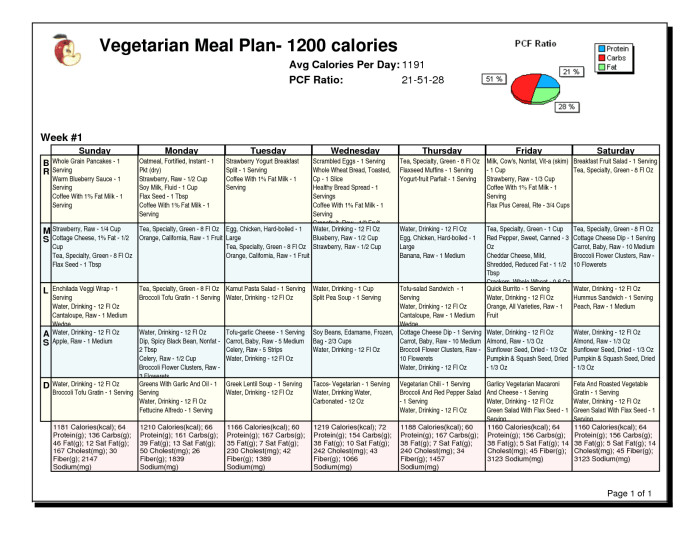
This sample meal plan provides a balanced variety of foods to illustrate how to create a nutritious vegan diet. Remember to adjust portion sizes to your individual needs and caloric requirements.
| Day | Breakfast | Lunch | Dinner |
|---|---|---|---|
| Monday | Oatmeal with berries and nuts | Lentil soup with whole-grain bread | Tofu stir-fry with brown rice |
| Tuesday | Tofu scramble with vegetables | Quinoa salad with chickpeas and avocado | Black bean burgers on whole-wheat buns |
| Wednesday | Smoothie with spinach, banana, and almond milk | Leftover black bean burgers | Vegan chili with cornbread |
| Thursday | Peanut butter toast with banana | Salad with roasted vegetables and a tahini dressing | Pasta with marinara sauce and vegetables |
| Friday | Breakfast burrito with tofu and potatoes | Leftover pasta | Pizza with vegan cheese and vegetables |
| Saturday | Pancakes made with plant-based milk | Buddha bowl with rice, beans, and various vegetables | Vegan lasagna |
| Sunday | Vegan waffles with fruit | Leftover vegan lasagna | Lentil Shepherd’s Pie |
Remember that this is just a sample meal plan. The key is to find recipes and foods you enjoy and that fit your lifestyle. Variety is key to a healthy and sustainable vegan diet.
Essential Nutrients on a Vegan Diet
Adopting a vegan diet offers numerous health and ethical benefits, but careful planning is crucial to ensure you’re meeting your nutritional needs. While a well-planned vegan diet can provide all the necessary nutrients, some require extra attention to ensure adequate intake. This section will explore key nutrients that may be lacking in vegan diets and offer strategies for obtaining them.
Key Nutrients Often Lacking in Vegan Diets
Several essential nutrients are less readily available in plant-based foods than in animal products. Understanding these deficiencies and their dietary sources is vital for maintaining optimal health on a vegan diet. These include vitamin B12, iron, calcium, and omega-3 fatty acids. Each requires a thoughtful approach to ensure sufficient consumption.
Vitamin B12 Sources and Supplementation
Vitamin B12 is crucial for nerve function and red blood cell formation. It’s primarily found in animal products, making supplementation essential for vegans. Fortified nutritional yeast, some plant milks, and B12 supplements (cyanocobalamin, methylcobalamin, or adenosylcobalamin) are reliable sources. Choosing a supplement with a form easily absorbed by the body is recommended. It’s advisable to consult a doctor or registered dietitian to determine the appropriate dosage based on individual needs.
Iron Sources and Bioavailability
Iron is vital for oxygen transport in the blood. Plant-based iron (non-heme iron) is less readily absorbed than iron from animal products (heme iron). To enhance absorption, consume iron-rich foods alongside vitamin C-rich foods like citrus fruits or bell peppers. Good sources of non-heme iron include lentils, spinach, tofu, and fortified cereals. Regular blood tests can monitor iron levels, guiding the need for supplementation if necessary.
Calcium Sources and Considerations
Calcium is essential for strong bones and teeth. While dairy is a significant source, vegans can obtain calcium from leafy green vegetables (kale, collard greens), fortified plant milks, tofu made with calcium sulfate, and almonds. Ensuring sufficient calcium intake is particularly important for women, children, and older adults. Supplementation might be necessary if dietary intake is insufficient, after consulting with a healthcare professional.
Omega-3 Fatty Acid Sources and Importance
Omega-3 fatty acids, particularly ALA, EPA, and DHA, are important for heart health and brain function. While ALA is found in flaxseeds, chia seeds, and walnuts, the body converts it to EPA and DHA less efficiently. Therefore, supplementing with algae-based DHA or EPA can be beneficial. Consuming foods rich in ALA regularly is also recommended to support overall omega-3 intake.
Vegan Protein Sources: A Nutritional Comparison
Protein is essential for building and repairing tissues. While animal products are often associated with high protein content, numerous plant-based foods offer ample protein. Legumes (lentils, beans, chickpeas), tofu, tempeh, quinoa, and seitan are excellent sources. Each offers a unique nutritional profile. For instance, lentils are rich in fiber, while tofu provides calcium and iron.
A varied intake of these protein sources ensures a comprehensive amino acid profile.
Best Vegan Sources of Essential Nutrients
| Nutrient | Source | Serving Size | Approximate Nutrient Content (may vary) |
|---|---|---|---|
| Vitamin B12 | Fortified nutritional yeast | 2 tablespoons | 2.4 mcg |
| Iron | Lentils | 1 cup cooked | 6 mg |
| Calcium | Fortified almond milk | 1 cup | 300-450 mg |
| Omega-3 Fatty Acids (ALA) | Flaxseeds | 1 tablespoon | 1.8g |
Healthy Recipes and Cooking Tips for Vegans
Embarking on a vegan journey doesn’t mean sacrificing delicious food. With a little creativity and knowledge, you can create a wide array of flavorful and nutritious meals. This section provides a starting point with simple recipes and practical tips to help you navigate the world of vegan cooking. We’ll cover essential techniques and offer guidance on maintaining the freshness and quality of your ingredients.
Five Delicious Vegan Recipes for Beginners
The following recipes are designed to be easy to prepare, using readily available ingredients, and are packed with nutrients. Each recipe offers a different flavor profile and texture, showcasing the versatility of vegan cuisine.
| Recipe Name | Ingredients | Instructions | Description |
|---|---|---|---|
| One-Pan Roasted Vegetables with Chickpeas | Broccoli florets, bell peppers (various colors), red onion wedges, chickpeas (canned), olive oil, garlic powder, paprika, salt, pepper. | Preheat oven to 400°F (200°C). Toss vegetables and chickpeas with olive oil and spices. Roast for 20-25 minutes, or until tender and slightly browned. | A simple, flavorful, and highly nutritious side dish or light meal, rich in fiber and vitamins. |
| Lentil Soup | Brown or green lentils, vegetable broth, diced carrots, celery, onion, garlic, diced tomatoes (canned), cumin, coriander, turmeric, salt, pepper. | Sauté onion, carrots, and celery. Add lentils, broth, and spices. Simmer for 30-40 minutes, or until lentils are tender. | A hearty and warming soup, packed with protein and fiber. A great source of iron and other essential minerals. |
| Black Bean Burgers | Black beans (canned), cooked brown rice, breadcrumbs, chopped onion, garlic powder, chili powder, cumin, salt, pepper. | Mash black beans. Combine with remaining ingredients. Form into patties and cook in a skillet with olive oil, or bake in the oven. | A satisfying and protein-rich alternative to traditional beef burgers. Can be served on buns with your favorite toppings. |
| Vegan Mac and Cheese | Pasta (elbows or shells), nutritional yeast, plant-based milk (cashew or soy), vegan butter, garlic powder, onion powder, salt, pepper. | Cook pasta according to package directions. In a separate saucepan, melt vegan butter. Whisk in plant-based milk, nutritional yeast, and spices. Pour sauce over pasta and stir to combine. | A creamy and cheesy vegan take on a classic comfort food. Nutritional yeast provides a cheesy flavor. |
| Tofu Scramble | Firm or extra-firm tofu, crumbled, onion, bell pepper, spinach, nutritional yeast, turmeric, garlic powder, black salt (kala namak, for eggy flavor), olive oil. | Sauté onion and bell pepper. Add crumbled tofu and cook until heated through. Stir in spinach, nutritional yeast, and spices. | A quick and easy breakfast or brunch option, packed with protein and nutrients. Black salt enhances the eggy flavor. |
Cooking Techniques for Vegan Dishes
Mastering a few key techniques will significantly improve your vegan cooking experience.
Cooking Tofu: Pressing tofu removes excess water, resulting in a firmer texture that crisps up nicely when pan-fried or baked. Crumbling tofu is a great way to incorporate it into scrambles or salads. Marinating tofu before cooking adds flavor and moisture.
Plant-Based Milk Alternatives: Many plant-based milk alternatives (soy, almond, oat, etc.) are available, each with a unique flavor and texture. Choose the one that best suits your taste and recipe. Note that some recipes may require specific types of plant-based milk for optimal results.
Creating Flavorful Sauces: Vegan sauces can be easily created using ingredients like tomatoes, vegetable broth, nutritional yeast, tahini, and various spices. Experiment with different combinations to find your favorites. Blending ingredients creates smooth and creamy sauces.
Proper Food Storage and Handling
Proper food storage and handling are crucial for maintaining the quality, safety, and nutritional value of your vegan ingredients. Wash all produce thoroughly before use. Store fruits and vegetables in the refrigerator to maintain freshness. Use airtight containers to prevent spoilage and maintain the quality of cooked dishes. Always check expiration dates and discard any spoiled food immediately.
Following these simple steps helps minimize food waste and ensure food safety.
Addressing Common Challenges of Veganism: How To Start A Vegan Diet
Embarking on a vegan lifestyle can be incredibly rewarding, but it’s also important to acknowledge that it presents certain challenges. Successfully navigating these hurdles requires preparation, planning, and a supportive network. This section will address some common difficulties and offer practical strategies for overcoming them.
Social Situations and Eating Out
Social gatherings often revolve around food, making veganism a potential source of awkwardness for newcomers. Navigating meals with friends and family who aren’t vegan can feel daunting. However, with a proactive approach, these situations can be easily managed. Preparing in advance by checking restaurant menus online or contacting the host about dietary needs is crucial. Many restaurants now offer vegan options, and even those that don’t often have dishes that can be easily adapted (for example, ordering a salad without cheese or a pasta dish without meat).
If all else fails, bringing a vegan dish to share is a great way to contribute to the meal and ensure you have something to eat. Remember, politely and clearly communicating your dietary needs is key; most people are understanding and accommodating once they know.
Family Resistance
Family members may express concern or skepticism about your vegan lifestyle, often stemming from misconceptions about nutrition or the practicality of the diet. Open and honest communication is vital here. Educate your family about the health benefits of veganism and address their concerns with factual information, perhaps sharing resources or articles from reputable sources. Avoid getting into arguments, instead focusing on showing, rather than telling, how fulfilling and healthy a vegan diet can be.
Inviting them to try some of your delicious vegan meals can also help change their perceptions. Patience and understanding are crucial; it may take time for them to accept your choice.
Finding Vegan-Friendly Options
The availability of vegan options can vary greatly depending on location and circumstances. However, access to vegan food is improving rapidly. Many cities now boast numerous dedicated vegan restaurants and cafes, while mainstream establishments are increasingly incorporating plant-based options into their menus. Online resources and apps can greatly simplify the process of finding vegan-friendly places to eat.
Benefits of Online Communities and Support Groups
Joining online communities and support groups specifically for vegans offers invaluable benefits. These platforms provide a supportive environment where you can connect with like-minded individuals, share experiences, and receive advice and encouragement. These communities can be excellent sources of information, recipe ideas, and practical tips for overcoming challenges. The sense of belonging and shared experience can significantly boost motivation and help you stay committed to your vegan journey.
Many groups offer valuable peer support, helping to combat feelings of isolation or frustration that can sometimes arise when making such a significant lifestyle change.
Resources for Finding Vegan-Friendly Options
Finding vegan-friendly options is easier than ever before, thanks to a variety of resources:
- HappyCow: A comprehensive online directory of vegan and vegetarian restaurants worldwide.
- Veganuary: Offers recipes, tips, and support for those transitioning to a vegan diet.
- PETA: Provides information on veganism, animal rights, and ethical living, including restaurant guides and resources.
- Local Vegan Groups/Meetups: Connecting with local vegan communities provides access to personalized recommendations and support.
- Vegan recipe websites and blogs: Countless websites and blogs offer a plethora of vegan recipes and cooking tips.
Vegan Diets Compared to Other Dietary Approaches
Choosing a dietary approach involves considering various factors, including personal preferences, health goals, and lifestyle. This section compares and contrasts vegan diets with other popular dietary patterns, focusing on their nutritional profiles, potential health impacts, and suitability for different lifestyles. We’ll examine vegan, vegetarian, ketogenic, and low-carb diets, highlighting their similarities and differences.
Nutritional Profiles and Macronutrient Ratios, How to start a vegan diet
Each dietary approach emphasizes different macronutrient ratios—the proportions of carbohydrates, proteins, and fats. Vegan diets typically feature higher carbohydrate and protein intake from plant-based sources, with moderate fat intake. Vegetarian diets, while also plant-based, may include dairy and eggs, influencing the macronutrient profile. Ketogenic diets drastically reduce carbohydrate intake, prioritizing fats to induce ketosis, a metabolic state where the body burns fat for energy.
Low-carb diets, less restrictive than keto, still emphasize reduced carbohydrate consumption but allow for more flexibility in protein and fat intake. These variations significantly impact the body’s metabolic processes and energy production.
| Dietary Approach | Carbohydrates | Protein | Fat | Key Nutritional Characteristics |
|---|---|---|---|---|
| Vegan | High | Moderate to High | Moderate | Rich in fiber, vitamins, and minerals from plant sources; may require supplementation for certain nutrients (e.g., vitamin B12). |
| Vegetarian | Moderate to High | Moderate | Moderate to High (depending on inclusion of dairy and eggs) | Generally good source of nutrients, but nutrient profile varies depending on specific foods included. |
| Ketogenic | Very Low | Moderate | Very High | High fat intake leads to ketosis; potential for nutrient deficiencies if not carefully planned. |
| Low-Carb | Low | Moderate to High | Moderate to High | More flexible than keto; allows for more varied food choices while still limiting carbohydrates. |
Weight Management, Overall Health, and Athletic Performance
The effectiveness of each diet for weight management varies depending on individual factors and adherence. Vegan and vegetarian diets, when properly planned, can support weight loss due to their high fiber content and emphasis on whole foods. However, careful planning is crucial to ensure adequate calorie intake and nutrient density. Ketogenic diets often lead to rapid initial weight loss due to water loss and glycogen depletion, but long-term effectiveness is debated.
Low-carb diets can also promote weight loss, but the degree of restriction influences success.Regarding overall health, vegan and vegetarian diets are associated with reduced risk of chronic diseases like heart disease and type 2 diabetes, primarily due to their high fiber, antioxidant, and phytochemical content. However, potential nutrient deficiencies necessitate careful planning and supplementation. Ketogenic diets may offer benefits for certain neurological conditions but can have potential drawbacks, including nutrient deficiencies and digestive issues if not carefully managed.
Low-carb diets also present similar considerations.In athletic performance, the ideal dietary approach depends on the specific sport and individual needs. Vegan and vegetarian athletes may require careful planning to ensure adequate protein intake and energy needs, potentially using protein supplements. Ketogenic diets can improve endurance performance in some athletes but may negatively impact high-intensity activities. Low-carb diets offer more flexibility but still require strategic carbohydrate intake for optimal performance.
Embarking on a vegan journey is a rewarding experience, offering both health and ethical benefits. By carefully planning your transition, understanding essential nutrients, and utilizing the resources and strategies Artikeld in this guide, you can confidently navigate the path to a healthy and fulfilling vegan lifestyle. Remember that consistency and self-care are key to long-term success. Embrace the journey, celebrate your progress, and enjoy the delicious world of vegan cuisine!
Question Bank
What if I’m concerned about protein intake on a vegan diet?
Many plant-based foods are excellent protein sources, such as lentils, beans, tofu, tempeh, and quinoa. A varied diet will ensure you meet your protein requirements.
How can I manage cravings for animal products?
Focus on incorporating flavorful and satisfying vegan alternatives. Experiment with new recipes and explore diverse plant-based foods to keep your meals exciting and prevent cravings.
Are vegan diets suitable for everyone?
While generally healthy, it’s crucial to consult a healthcare professional or registered dietitian, especially if you have pre-existing health conditions or specific dietary needs, to ensure a safe and balanced approach.
How can I eat vegan on a budget?
Focus on affordable staples like beans, lentils, rice, and seasonal vegetables. Meal prepping and buying in bulk can significantly reduce costs.
What about vitamin B12?
Vitamin B12 is not readily available in plant-based foods, so supplementation is often recommended. Consult your doctor to determine the appropriate dosage.