Balanced Diet for Weight Maintenance
Balanced diet for weight maintenance is more than just counting calories; it’s about nourishing your body with the right nutrients to achieve and sustain a healthy weight. This guide explores the principles of balanced eating, offering practical strategies, delicious recipes, and expert advice to help you navigate the journey towards a healthier lifestyle. We’ll delve into macronutrient balance, explore various dietary approaches (including vegan, vegetarian, keto, and low-carb options), and discuss the importance of factors like gut health, hydration, and mindful eating.
Understanding your individual needs, activity levels, and dietary preferences is key. We’ll provide tools and resources to help you create a personalized plan that works for you, ensuring you feel energized, satisfied, and confident in your ability to maintain a healthy weight long-term. This includes practical tips for budgeting and time management to make healthy eating a sustainable part of your life.
Defining a Balanced Diet for Weight Maintenance
Maintaining a healthy weight involves consuming a balanced diet that provides the necessary energy and nutrients without exceeding your daily caloric needs. This balance is achieved through careful consideration of macronutrients – carbohydrates, proteins, and fats – and their respective proportions in your diet. Ignoring this balance can lead to weight gain or loss, irrespective of total calorie intake.
Macronutrient Balance for Weight Maintenance
The ideal macronutrient ratio for weight maintenance varies depending on individual factors such as activity level, metabolism, and overall health goals. However, a generally accepted guideline suggests a range of 45-65% of total daily calories from carbohydrates, 10-35% from protein, and 20-35% from fats. Carbohydrates provide the primary source of energy, proteins are essential for building and repairing tissues, and fats support hormone production and nutrient absorption.
It’s crucial to prioritize complex carbohydrates (whole grains, fruits, vegetables) over simple carbohydrates (sugary drinks, processed foods) and unsaturated fats (avocados, nuts, olive oil) over saturated and trans fats.
Recommended Daily Macronutrient Intake
Determining the precise daily intake requires considering individual caloric needs, which are influenced by factors like age, sex, weight, height, and activity level. A moderately active individual might require 2000-2500 calories daily, while a very active person could need significantly more. For a 2000-calorie diet adhering to the suggested ranges above, a possible macronutrient breakdown could be: 225-400 grams of carbohydrates (providing 900-1600 calories), 50-87.5 grams of protein (providing 200-350 calories), and 44-88 grams of fat (providing 400-800 calories).
These are estimates, and consulting a registered dietitian or nutritionist is recommended for personalized guidance.
Examples of Balanced Meal Plans for Weight Maintenance
A balanced meal plan should include a variety of nutrient-rich foods from all food groups. Here are examples tailored to different calorie needs: 1200-Calorie Meal Plan (Example – Consult a professional for suitability):* Breakfast: Oatmeal with berries and a sprinkle of nuts (approx. 300 calories)
Lunch
Salad with grilled chicken or fish and a light vinaigrette (approx. 350 calories)
Dinner
Baked salmon with steamed vegetables (approx. 350 calories)
Snacks
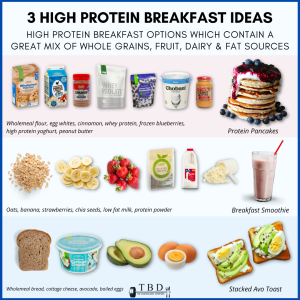
A small piece of fruit and a handful of almonds (approx. 200 calories) 1800-Calorie Meal Plan (Example – Consult a professional for suitability):* Breakfast: Whole-wheat toast with avocado and an egg (approx. 400 calories)
Lunch
Lentil soup with a whole-wheat roll (approx. 500 calories)
Dinner
Chicken stir-fry with brown rice (approx. 600 calories)
Snacks
Greek yogurt with fruit and a small handful of trail mix (approx. 300 calories) 2500-Calorie Meal Plan (Example – Consult a professional for suitability):* Breakfast: Scrambled eggs with whole-wheat tortillas and salsa (approx. 500 calories)
Lunch
Large salad with grilled chicken or fish, quinoa, and a variety of vegetables (approx. 700 calories)
Dinner
Lean ground beef with sweet potatoes and broccoli (approx. 800 calories)
Snacks
Protein shake, fruit, nuts, or a small whole-wheat bagel (approx. 500 calories)Remember, these are just examples and portion sizes should be adjusted based on individual needs and activity levels.
Calorie and Macronutrient Content of Common Foods
| Food | Serving Size | Calories | Macronutrient Breakdown (g) |
|---|---|---|---|
| Brown Rice (cooked) | 1 cup | 216 | 45g Carbs, 4g Protein, 2g Fat |
| Grilled Chicken Breast | 4 oz | 165 | 0g Carbs, 31g Protein, 6g Fat |
| Salmon (baked) | 4 oz | 200 | 0g Carbs, 22g Protein, 12g Fat |
| Avocado | 1/2 | 160 | 13g Carbs, 2g Protein, 15g Fat |
Healthy Recipes and Cooking Tips for Weight Maintenance
Maintaining a healthy weight involves consuming a balanced diet, and incorporating delicious and nutritious recipes is key. This section provides practical recipes and cooking tips to make healthy eating enjoyable and sustainable. These recipes emphasize whole foods, minimizing processed ingredients and maximizing nutrient density. We will also explore time-saving techniques and portion control strategies to help you maintain a balanced calorie intake without sacrificing flavor or convenience.
Five Healthy Recipes for Weight Maintenance, Balanced diet for weight maintenance
The following recipes are designed to be both satisfying and supportive of weight management goals. Each recipe emphasizes whole, unprocessed foods and provides a good balance of protein, carbohydrates, and healthy fats.
- Lentil Soup: This hearty soup is packed with fiber and protein, keeping you full and satisfied. A simple recipe involves sautéing onions, carrots, and celery, then adding lentils, vegetable broth, and spices like cumin and turmeric. Simmer until lentils are tender. A serving provides approximately 300 calories and is rich in fiber and plant-based protein.
- Baked Salmon with Roasted Vegetables: Salmon is a great source of omega-3 fatty acids and protein. Roast alongside your favorite vegetables like broccoli, asparagus, or Brussels sprouts for a complete and balanced meal. Season with herbs and a squeeze of lemon. A 4oz salmon fillet with a cup of roasted vegetables provides around 450 calories.
- Quinoa Salad with Chicken or Tofu: Quinoa is a complete protein and a good source of fiber. Combine cooked quinoa with grilled chicken or tofu, chopped vegetables (cucumber, bell peppers, tomatoes), and a light vinaigrette dressing. This salad offers a balanced mix of protein, carbohydrates, and healthy fats, approximately 350 calories per serving.
- Chicken Stir-fry with Brown Rice: A quick and easy stir-fry using lean chicken breast, a variety of colorful vegetables (broccoli, carrots, snap peas), and a soy-based sauce provides a flavorful and nutritious meal. Serve over brown rice for added fiber. A serving with ½ cup brown rice provides around 400 calories.
- Turkey Meatloaf with Sweet Potato Mash: This healthier take on a classic comfort food uses ground turkey instead of beef, reducing fat content. Serve with mashed sweet potatoes for added vitamins and fiber. A serving provides approximately 400-450 calories depending on the size.
Time-Efficient Cooking Tips for Healthy Meals
Preparing healthy meals doesn’t have to be time-consuming. These tips will help you create delicious and nutritious meals quickly and efficiently.
- Batch cooking: Prepare large quantities of grains, legumes, or roasted vegetables on the weekend and use them throughout the week in different meals. This saves significant time during busy weeknights.
- One-pan or sheet pan meals: Minimize cleanup and cooking time by using one pan or sheet pan for roasting vegetables and protein together.
- Utilize leftovers: Transform leftover chicken or vegetables into salads, soups, or omelets for quick and easy lunches or dinners.
- Embrace quick-cooking methods: Utilize methods like stir-frying, microwaving, or using a pressure cooker to reduce cooking times without sacrificing flavor or nutrition.
- Prep ingredients in advance: Chop vegetables, measure spices, and marinate proteins ahead of time to streamline the cooking process.
Weekly Meal Plan Incorporating Healthy Recipes and Tips
This sample meal plan incorporates the recipes above, emphasizing variety and convenience.
| Day | Breakfast | Lunch | Dinner |
|---|---|---|---|
| Monday | Overnight oats with berries | Leftover lentil soup | Baked Salmon with Roasted Vegetables |
| Tuesday | Scrambled eggs with spinach | Quinoa salad with chicken | Chicken stir-fry with brown rice |
| Wednesday | Greek yogurt with fruit | Leftover chicken stir-fry | Turkey meatloaf with sweet potato mash |
| Thursday | Smoothie with fruits and vegetables | Lentil soup | Baked Salmon with Roasted Vegetables |
| Friday | Whole-wheat toast with avocado | Quinoa salad with tofu | Chicken stir-fry with brown rice |
| Saturday | Breakfast burrito with black beans and eggs | Leftover turkey meatloaf | Lentil soup |
| Sunday | Pancakes made with whole-wheat flour and berries | Leftover lentil soup | Turkey meatloaf with sweet potato mash |
Portion Control Techniques for Balanced Calorie Intake
Maintaining a balanced calorie intake is crucial for weight maintenance. Effective portion control techniques can help you achieve this goal.
- Use smaller plates and bowls: Visually, smaller portions appear larger on smaller plates, helping you feel satisfied with less food.
- Measure your food: Using measuring cups and spoons can help you accurately determine portion sizes, especially for calorie-dense foods.
- Pay attention to hunger and fullness cues: Eat slowly and mindfully, paying attention to your body’s signals. Stop eating when you feel comfortably satisfied, not stuffed.
- Read food labels: Understand serving sizes and calorie counts to make informed choices about portion sizes.
- Pack your lunch and snacks: Pre-portioning snacks and meals helps you avoid overeating when you’re hungry and on the go.
Vegan and Vegetarian Diets for Weight Maintenance
Maintaining a healthy weight on a vegan or vegetarian diet is achievable with careful planning and mindful food choices. While offering numerous health benefits, these dietary patterns present unique challenges that require a nuanced understanding of nutrition. Successfully navigating these challenges leads to a sustainable and healthy weight.
Vegan and vegetarian diets, when well-planned, can be highly effective for weight management. They often naturally contain lower calorie densities compared to diets rich in animal products, and the emphasis on fruits, vegetables, and whole grains contributes to increased satiety. However, careful attention must be paid to ensure adequate intake of essential nutrients, particularly protein, iron, vitamin B12, and omega-3 fatty acids, which can be more challenging to obtain from plant-based sources alone.
Complete Protein Sources for Vegans and Vegetarians
Meeting daily protein requirements is crucial for weight maintenance and overall health. Vegans and vegetarians can achieve this by strategically combining different plant-based protein sources throughout the day.
Complete proteins contain all nine essential amino acids. While many plant-based proteins are incomplete, combining them ensures the body receives all necessary amino acids. Examples include pairing legumes (like lentils or beans) with grains (like rice or quinoa), or combining nuts and seeds with vegetables.
- Soy products: Tofu, tempeh, edamame – These are complete proteins and versatile ingredients.
- Quinoa: A complete protein grain, offering a good source of fiber and iron.
- Chia seeds: Rich in protein and omega-3 fatty acids, adding nutritional value to various dishes.
- Legumes (beans, lentils, peas): Excellent sources of protein and fiber, contributing to satiety.
- Nuts and seeds (almonds, cashews, pumpkin seeds, sunflower seeds): Provide protein, healthy fats, and fiber, but should be consumed in moderation due to calorie density.
Vegan/Vegetarian Recipes for Weight Management
These recipes emphasize whole, unprocessed ingredients and are designed to support healthy weight maintenance. Portion sizes should be adjusted based on individual caloric needs.
The following recipes provide balanced meals incorporating complete proteins and a variety of nutrient-rich foods. They are designed to be both satisfying and conducive to weight management.
- Lentil Soup with Brown Rice: A hearty and filling soup combining lentils (protein and fiber) with brown rice (complex carbohydrates and fiber). Vegetables like carrots, celery, and onions can be added for extra nutrients.
- Quinoa Salad with Black Beans and Avocado: Quinoa provides complete protein, black beans add fiber and protein, and avocado offers healthy fats and satiety. Chopped vegetables and a light vinaigrette enhance the flavor and nutritional profile.
- Tofu Scramble with Spinach and Mushrooms: A protein-rich breakfast or brunch option. Crumbled tofu mimics scrambled eggs, while spinach and mushrooms add vitamins, minerals, and fiber.
- Chickpea Curry with Brown Rice: Chickpeas are a great source of protein and fiber. The curry can be made with a variety of vegetables, and brown rice provides sustained energy.
- Vegan Chili with Kidney Beans and Sweet Potatoes: A flavorful and satisfying meal packed with protein, fiber, and vitamins. Kidney beans are a good source of protein, and sweet potatoes offer complex carbohydrates and beta-carotene.
Nutritional Comparison of Vegan/Vegetarian Protein Sources
Different plant-based protein sources offer varying nutritional profiles. Understanding these differences allows for a balanced intake of essential nutrients.
The table below provides a general comparison; actual nutritional content can vary based on factors such as processing and variety.
| Protein Source | Protein (g/100g) | Fiber (g/100g) | Iron (mg/100g) |
|---|---|---|---|
| Tofu | 8-10 | 1-2 | 1-2 |
| Lentils | 9-10 | 7-8 | 3-4 |
| Quinoa | 4-5 | 3-4 | 2-3 |
| Black Beans | 6-7 | 8-9 | 2-3 |
| Almonds | 6-7 | 3-4 | 1-2 |
Keto and Low-Carb Diets for Weight Maintenance
Ketogenic and low-carb diets have gained significant popularity as weight-loss strategies. These approaches share the common goal of significantly reducing carbohydrate intake, forcing the body to rely on alternative fuel sources, primarily fat. This metabolic shift, known as ketosis, can lead to weight loss and other potential health benefits. However, it’s crucial to understand both the advantages and drawbacks before embarking on such a diet.Ketogenic diets severely restrict carbohydrate intake (typically to 20-50 grams per day), promoting a state of ketosis where the body burns fat for energy instead of glucose.
Low-carb diets, while less restrictive, still emphasize a significant reduction in carbohydrate consumption, usually aiming for a moderate to low carbohydrate intake. Both approaches often increase the consumption of healthy fats and moderate protein.
Principles of Ketogenic and Low-Carb Diets for Weight Management
Ketogenic and low-carb diets work by manipulating the body’s metabolic processes. By drastically reducing carbohydrate intake, the body depletes its glycogen stores (stored glucose). This triggers a metabolic shift, forcing the liver to produce ketones from stored fat. These ketones then become the primary energy source for the body, leading to weight loss. The reduction in carbohydrate intake also contributes to reduced insulin levels, which can impact appetite and fat storage.
Potential Risks and Benefits of Long-Term Keto and Low-Carb Diets
Long-term adherence to ketogenic and low-carb diets presents both potential benefits and risks. Benefits may include significant weight loss, improved blood sugar control in individuals with type 2 diabetes, and reduced triglyceride levels. However, potential risks include nutrient deficiencies if not carefully planned, constipation due to reduced fiber intake, kidney stones in susceptible individuals, and the possibility of experiencing the “keto flu” (symptoms like fatigue, headache, and nausea) in the initial adaptation phase.
Long-term effects are still being studied, and individual responses can vary significantly. It’s essential to consult with a healthcare professional before starting any restrictive diet, especially if you have pre-existing health conditions.
Low-Carb Recipes for Weight Maintenance
Choosing the right recipes is crucial for successful weight maintenance on a low-carb diet. These recipes focus on providing satiety and nutritional value while remaining within low-carb parameters.
- Avocado Chicken Salad: Combine diced cooked chicken breast with mashed avocado, chopped celery, red onion, and a squeeze of lime juice. Season with salt and pepper. Serve on a bed of lettuce or in lettuce cups for a low-carb alternative to bread. This provides healthy fats and protein, keeping you full and satisfied.
- Cauliflower Rice Stir-fry: Replace rice with riced cauliflower. Stir-fry the cauliflower with your favorite vegetables (broccoli, peppers, mushrooms), lean protein (shrimp, chicken, tofu), and a low-carb stir-fry sauce (e.g., soy sauce substitute, ginger, garlic). This offers a satisfying and nutrient-rich meal while staying low in carbohydrates.
- Salmon with Asparagus and Roasted Vegetables: Bake or pan-fry salmon fillets seasoned with herbs and spices. Roast asparagus and other low-carb vegetables like broccoli or zucchini alongside. This provides healthy fats from the salmon, protein, and essential vitamins and minerals from the vegetables.
Importance of Electrolyte Balance on Keto and Low-Carb Diets
Maintaining electrolyte balance is critical when following a keto or low-carb diet. The significant reduction in carbohydrate intake can lead to a loss of electrolytes like sodium, potassium, and magnesium, which are crucial for various bodily functions, including nerve and muscle function, hydration, and blood pressure regulation. Electrolyte imbalance can manifest as fatigue, muscle cramps, headaches, and dizziness.
To prevent this, it’s important to increase your intake of electrolytes through dietary sources (e.g., leafy greens, avocados, nuts) and potentially electrolyte supplements, as advised by a healthcare professional. Staying well-hydrated is also essential. Careful monitoring and adjustments are crucial to prevent adverse effects.
Intermittent Fasting Guides for Weight Management: Balanced Diet For Weight Maintenance
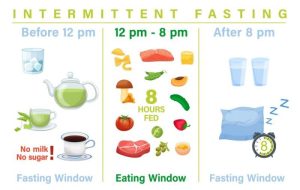
Intermittent fasting (IF) is an eating pattern that cycles between periods of eating and voluntary fasting on a regular schedule. It’s not about
- what* you eat, but
- when* you eat, and it’s gaining popularity as a weight management tool. Different methods exist, each with its own approach to fasting and eating windows. Understanding these methods and their potential impact is crucial before embarking on an IF regimen.
Intermittent fasting involves various approaches, each influencing metabolic processes differently and affecting weight management in unique ways. The effectiveness and suitability of each method depend heavily on individual factors such as lifestyle, health conditions, and personal preferences.
Methods of Intermittent Fasting
Several popular intermittent fasting methods exist, each characterized by its specific eating and fasting windows. The 16/8 method, for example, involves a daily 16-hour fasting period and an 8-hour eating window. The 5:2 diet restricts calorie intake to 500-600 calories on two non-consecutive days per week, while maintaining a normal intake on the other days. Alternate-day fasting involves alternating between days of eating normally and days of fasting.
Choosing the right method requires careful consideration of individual needs and preferences.
Potential Benefits and Drawbacks of Intermittent Fasting for Weight Management
While intermittent fasting can be effective for weight loss in some individuals, it’s not a guaranteed solution and carries potential drawbacks. Benefits can include weight loss due to reduced calorie intake, improved insulin sensitivity, and potential benefits for heart health. However, drawbacks may include initial hunger and fatigue, potential for disordered eating patterns, and possible interference with certain medications.
It’s essential to consult a healthcare professional before starting any intermittent fasting program, especially if you have pre-existing health conditions. The long-term effects of IF are still being studied, and individual results vary significantly.
Sample Intermittent Fasting Schedule for Beginners
A suitable beginner’s schedule might involve the 16/8 method. This could entail a fasting period from 8 PM to 12 PM the following day, allowing an 8-hour eating window. This schedule allows for a gradual adjustment to fasting, minimizing potential side effects. It’s crucial to listen to your body and adjust the schedule as needed. For example, someone might choose a 7 PM to 11 AM window, which still provides an 8-hour eating window but might better fit their daily schedule.
Consistency is key, but flexibility is important for long-term adherence.
Importance of Proper Hydration and Nutrition During Intermittent Fasting Periods
Proper hydration and nutrition are paramount during intermittent fasting. Consuming sufficient water throughout the fasting period is vital to prevent dehydration and maintain overall health. During the eating window, focusing on nutrient-dense foods, such as fruits, vegetables, lean proteins, and whole grains, is crucial to ensure adequate nutrient intake. Avoid excessive consumption of processed foods, sugary drinks, and unhealthy fats during the eating window to maximize the benefits of intermittent fasting.
A balanced diet during the eating window is essential to prevent nutrient deficiencies and support overall well-being. Skipping meals within the eating window to try to extend the fasting period is counterproductive.
Maintaining a healthy weight is a journey, not a race. By understanding the principles of balanced nutrition, exploring different dietary approaches, and prioritizing sustainable lifestyle changes, you can achieve your weight management goals and improve your overall well-being. Remember that consistency and a personalized approach are crucial. Don’t hesitate to seek professional guidance from a registered dietitian or healthcare provider for personalized advice and support tailored to your unique needs and circumstances.
General Inquiries
What are some common pitfalls to avoid when trying to maintain a healthy weight?
Common pitfalls include crash dieting, neglecting hydration, relying heavily on processed foods, and neglecting regular physical activity. Consistency and a holistic approach are key.
How can I manage food cravings while maintaining a balanced diet?
Manage cravings by staying hydrated, prioritizing whole foods, getting enough sleep, and identifying emotional triggers for overeating. Mindful eating practices can also help.
Is it necessary to take weight-loss supplements?
Weight-loss supplements are generally not necessary and can even be harmful. Focus on a balanced diet and regular exercise for sustainable weight management.
How do I incorporate healthy eating into a busy schedule?
Meal prepping, utilizing quick and healthy recipes, and choosing convenient, nutritious options are key to healthy eating on a busy schedule. Prioritize planning and preparation.